
Designing Events That Flow, Engage and Evolve Throughout the Night
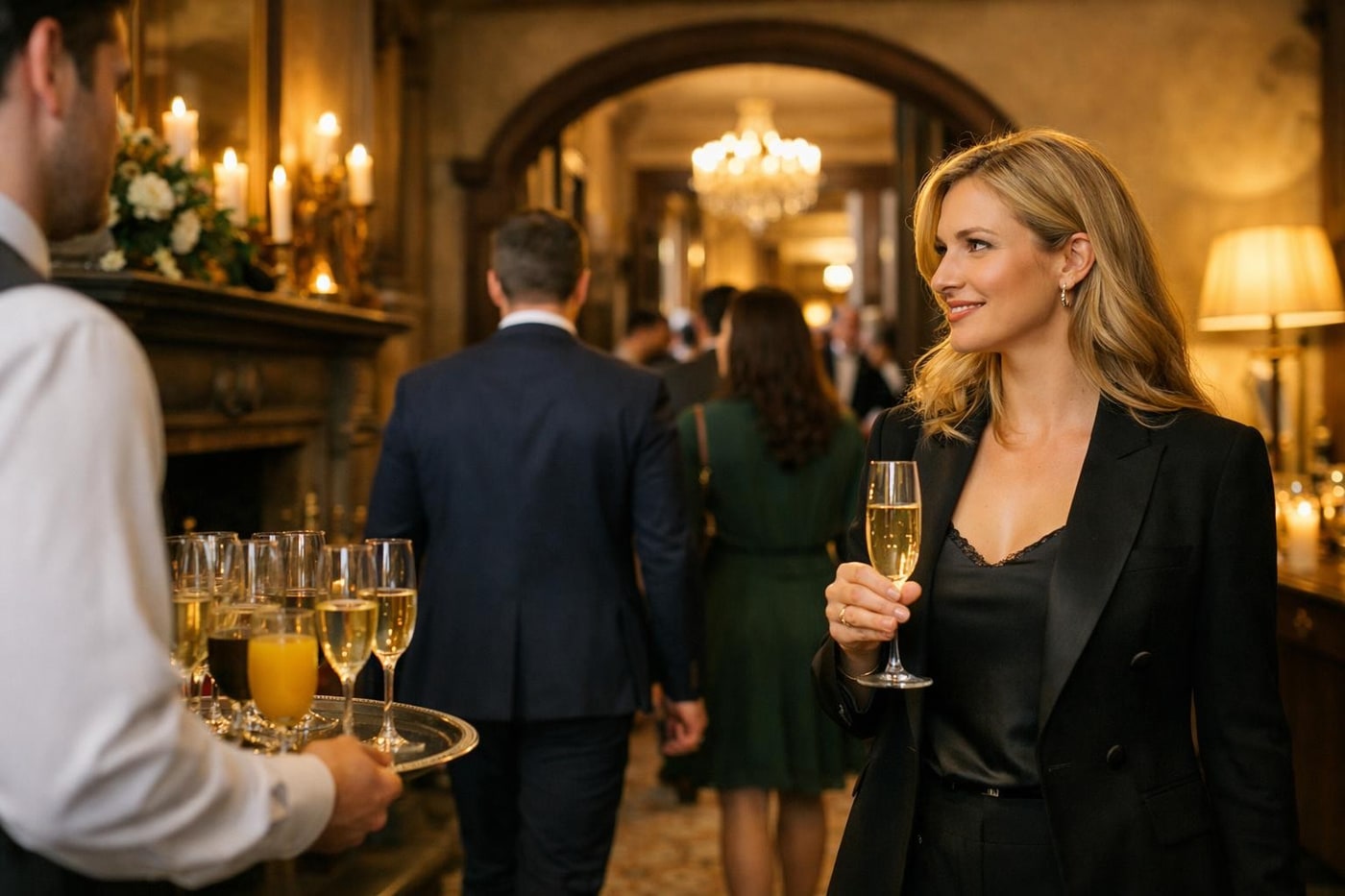
When planning how to use multiple spaces at an event venue, the aim is not simply to fill rooms. It is to create a journey that feels deliberate, varied and easy for guests to follow. The best events move with purpose, building atmosphere as the night unfolds rather than asking everyone to stay in one place.
Why Multi-Space Events Work Better
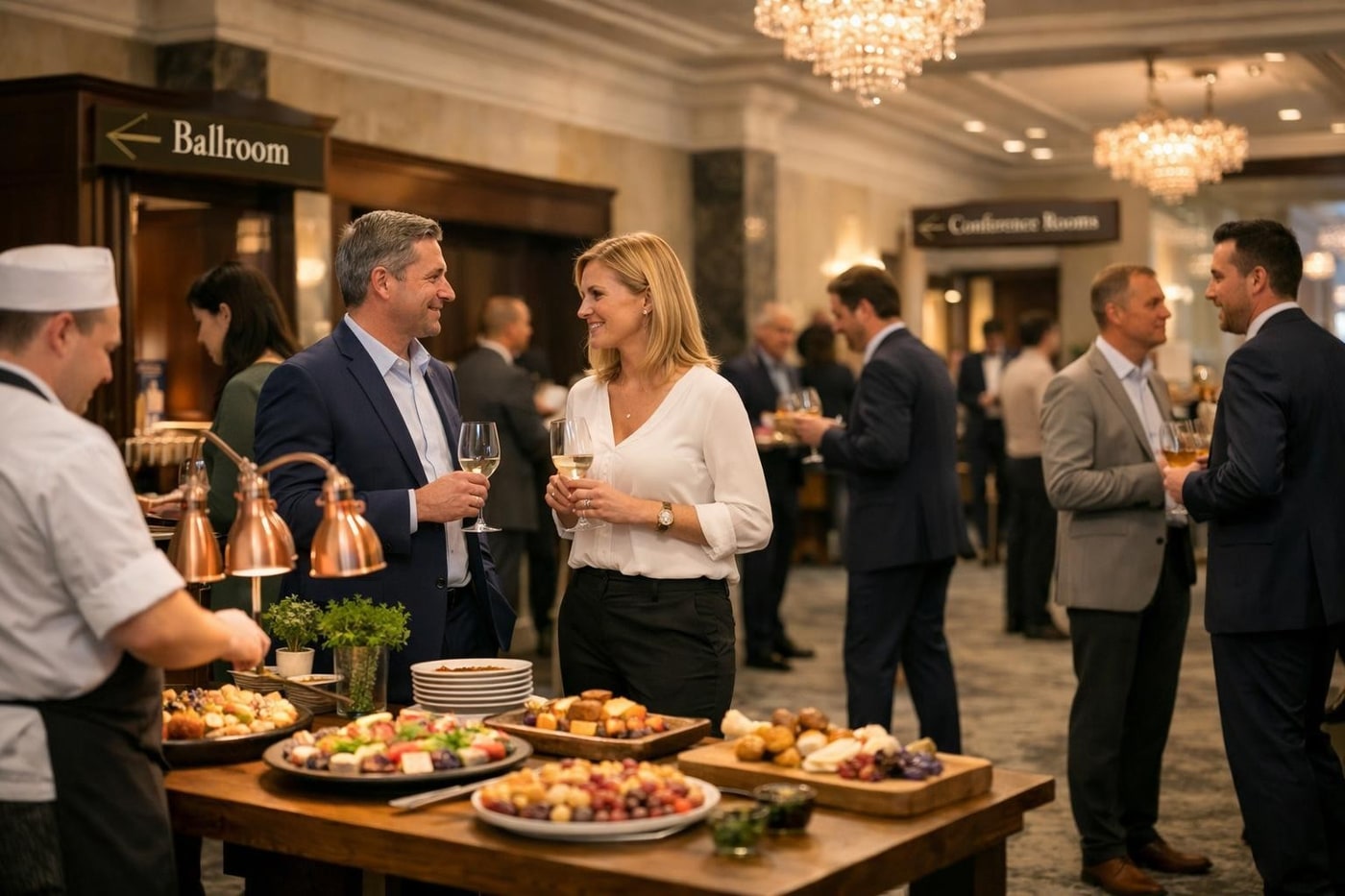
The most engaging events are not static. They move. Using multiple spaces allows you to:
- Control energy levels
- Create variety
- Keep guests exploring
At venues like Somerset House, this is not just an option. It is an advantage. The setting naturally supports a guest journey that unfolds across different environments. To see a similar approach in practice, take a look at our Somerset House summer corporate party case study.
1. Give Every Space a Clear Purpose
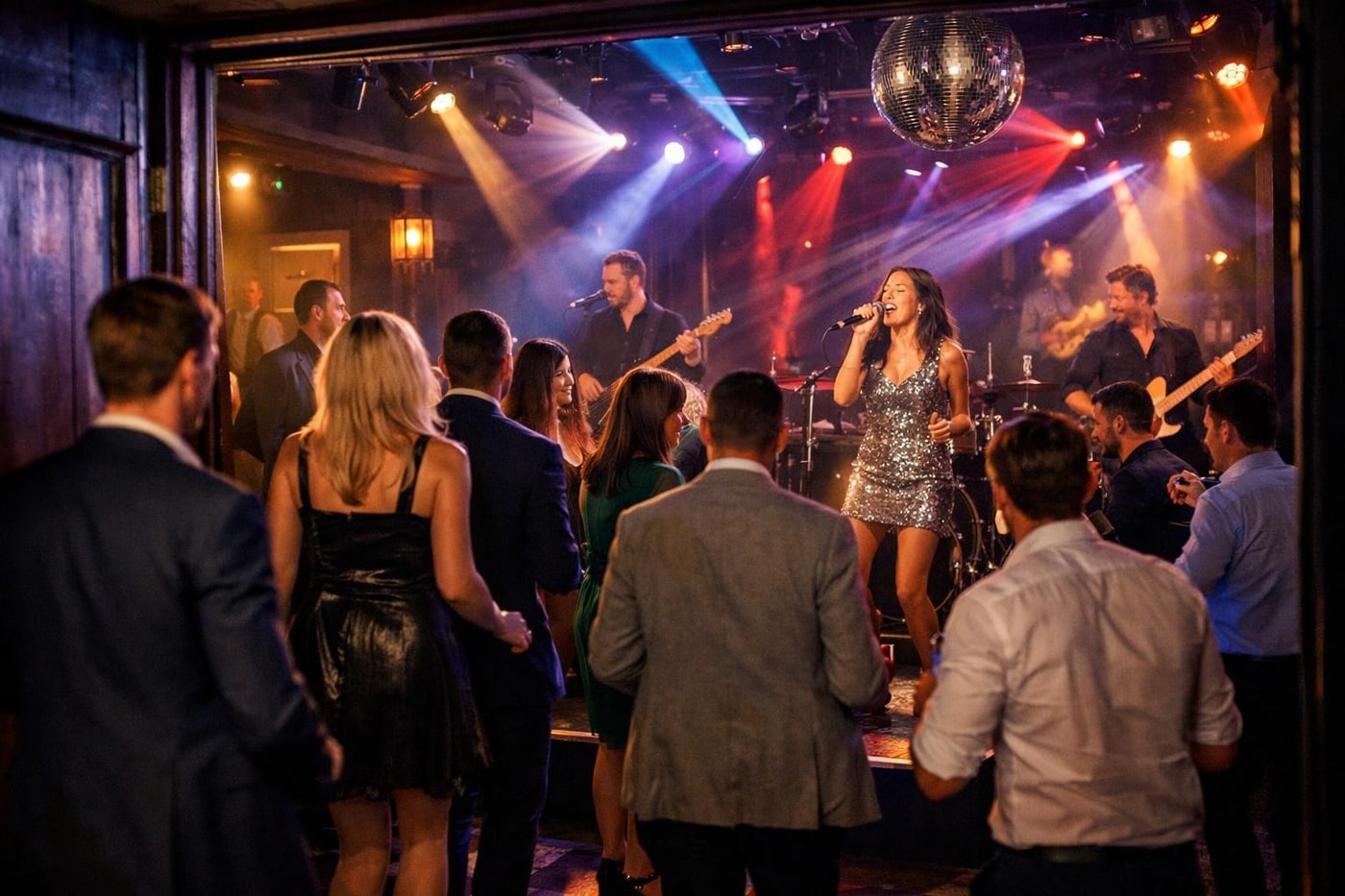
Without structure, multi-space events become confusing. Each area should have a defined role so guests instinctively understand what happens where.
- Arrival and drinks
- Food and social interaction
- Entertainment
- Late-night party
This clarity makes the event feel effortless for guests and helps the programme unfold naturally.
2. Design the Journey, Not Just the Layout
Think about how guests move through the event from the moment they arrive to the point the energy peaks. Movement should feel natural, not forced.
- Where do they start?
- What do they experience next?
- Where does the energy peak?
When the guest journey is planned properly, each transition feels like part of the experience rather than a change of scene.
3. Use Transitions to Guide Guests
Transitions are often overlooked, but they are one of the most effective ways to keep an event flowing without constant announcements or instructions.
- Changes in music
- Lighting shifts
- Performers leading the way
These cues can gently direct movement between spaces while keeping the atmosphere relaxed and polished.
4. Balance the Crowd Across Spaces
Poor planning can lead to overcrowded areas and empty zones. The answer is to distribute the crowd evenly and keep each space active in its own way.
- Position bars strategically
- Spread food stations
- Distribute entertainment
This helps maintain consistent energy across the venue and prevents any one area from feeling underused.
5. Build Energy Across Spaces
Each space should feel slightly different so that the event has a natural sense of progression.
- Outdoor area for relaxed drinks
- Mid-space for interaction
- Final space for high-energy dancing
This progression keeps guests engaged throughout the night and gives the event a stronger sense of momentum.
6. Keep the Experience Cohesive
Even with multiple environments, the event must feel connected. That cohesion is what turns a collection of spaces into one memorable experience.
- Consistent design language
- Coordinated entertainment
- Strong creative direction
When the styling, entertainment and overall flow work together, guests experience the event as one seamless story rather than a series of separate moments.
Final Thought
Multi-space events require more planning, but they deliver far greater impact. They create energy, movement and memorable experiences that keep guests engaged from start to finish.
If you are exploring how to use multiple spaces at an event venue for your next corporate event, thoughtful planning is what makes the difference between a complicated layout and a truly seamless experience.


