
If you are looking at how to plan an event at the Victoria and Albert Museum, the key is to treat it as a live production rather than a standard venue hire. The V&A is one of London’s most prestigious event spaces, but it is also a working museum, a heritage site and a multi-space environment.
That changes everything. Success depends on precision, creative restraint and a clear understanding of how the building works after hours.
Why the V&A Is a Different Level of Venue
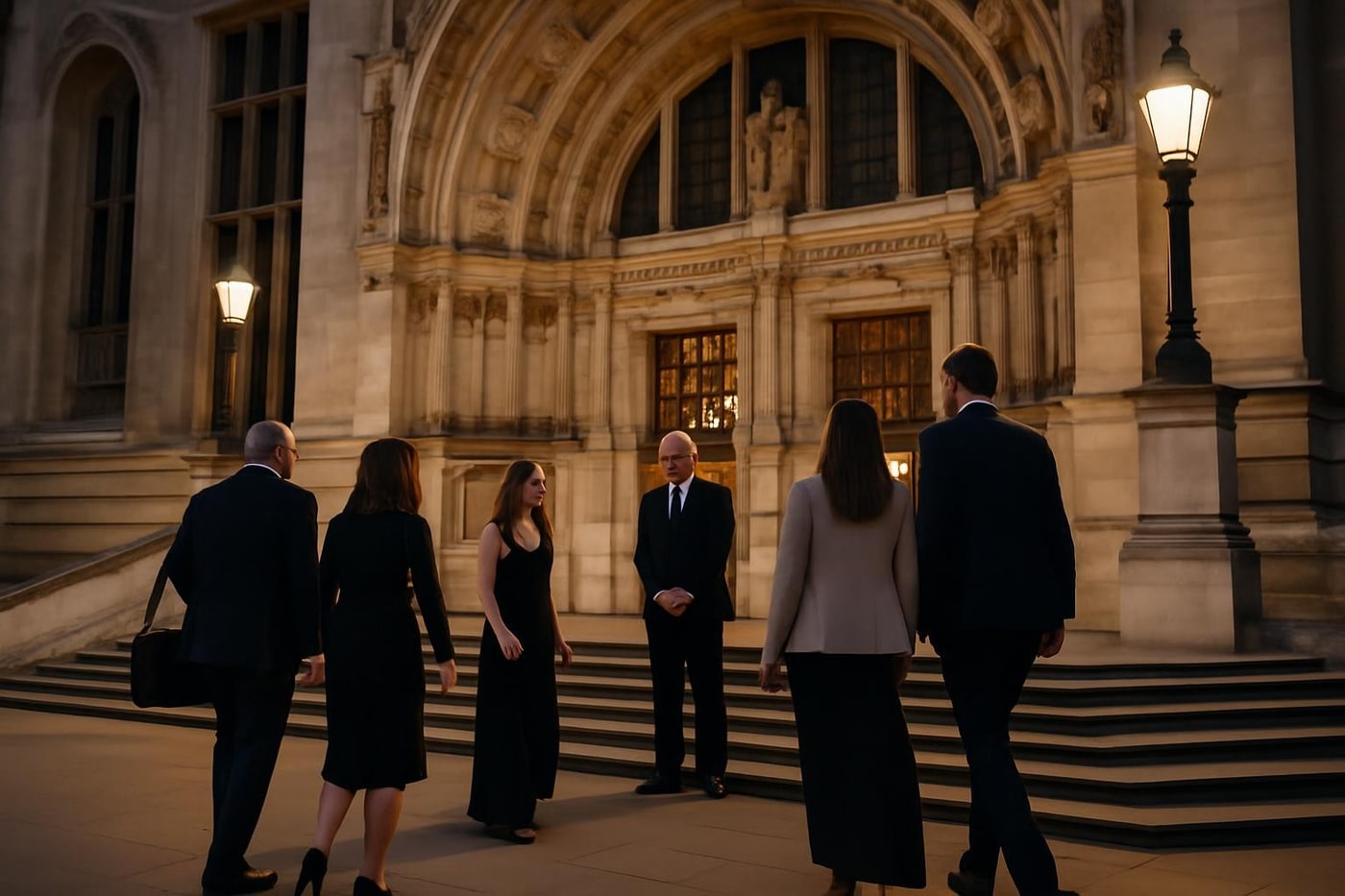
The Victoria and Albert Museum is a remarkable setting for corporate events, but it is not a typical blank-canvas venue. You are planning within a protected, high-profile environment where every decision has to support both the guest experience and the building itself.
- A working museum, with live operations and public access to consider
- A heritage site, where preservation rules shape what is possible
- A multi-space environment, which rewards strong planning and sequencing
In practice, that means the event must be designed around the venue, not simply placed inside it.
1. Understand the Operational Reality First
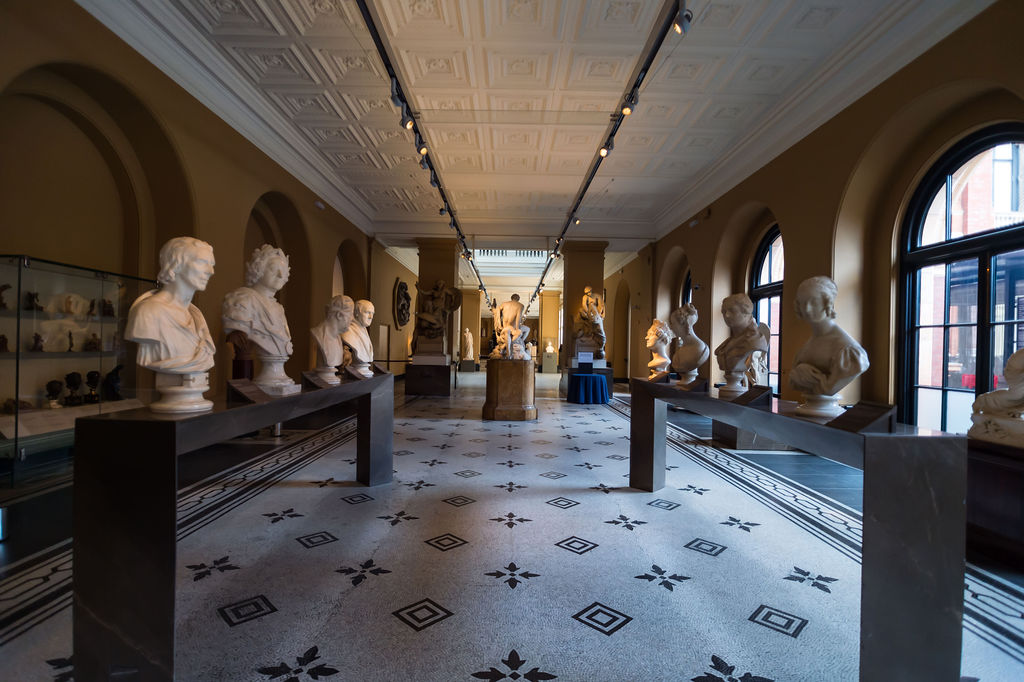
Before you think about styling or entertainment, you need a clear picture of how the venue operates. At the V&A, the practical framework will define what is possible and how smoothly the event can run.
Key considerations
- Public opening hours
- Access points for production
- Restrictions on installation
- Load-in and load-out timing
Setup typically begins after public closing time, which means the production window is compressed. That affects staffing, sequencing and the amount of work that can be completed before guests arrive.
2. Design the Event as a Journey, Not a Setup
Unlike many traditional venues, the V&A is not designed for a single-room event. It is a sequence of spaces, so the strongest concepts guide guests through a deliberate journey.
Think in terms of movement
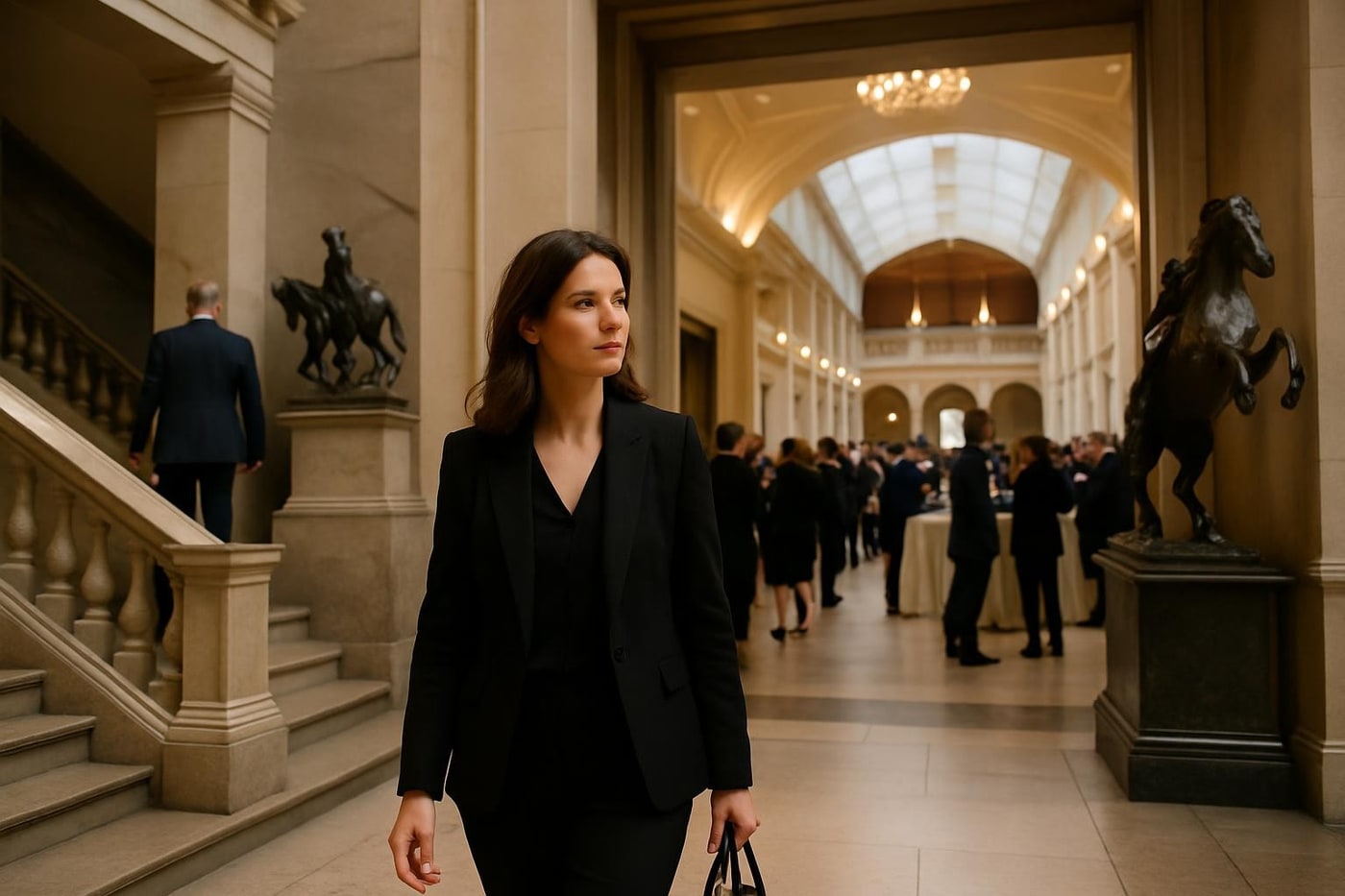
- Where guests arrive
- How they move between spaces
- Where the key moments happen
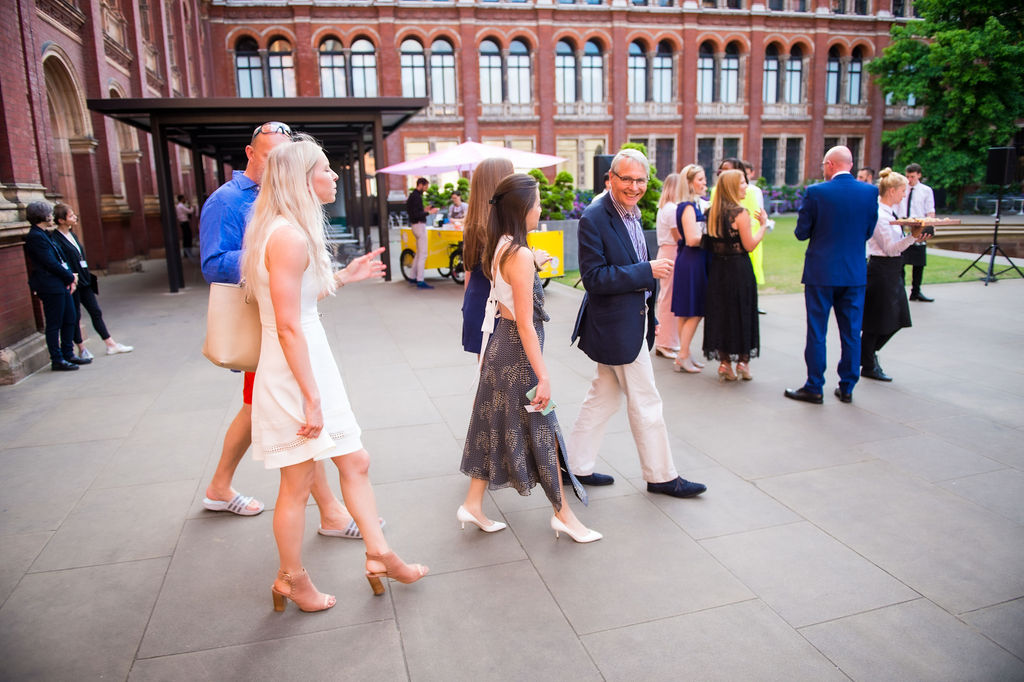
A strong structure might include arrival through Exhibition Road, movement through galleries, reception in the courtyard and the main experience in The Dome. That creates a narrative, not just an event layout.
3. Work With the Venue’s Rules, Not Against Them
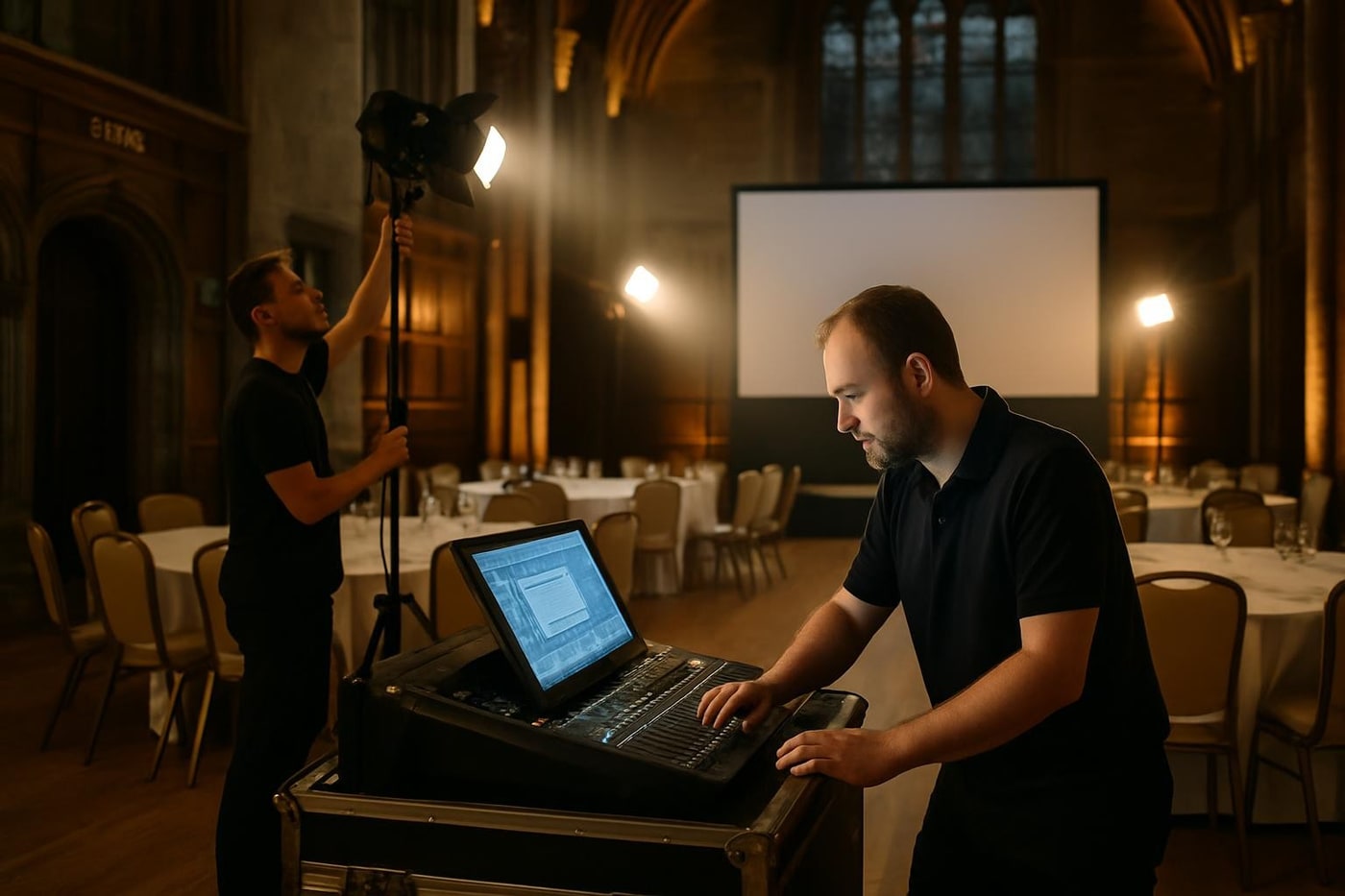
Heritage venues have strict guidelines for good reason. The most successful events do not fight those rules; they use them to sharpen the creative direction.
- No drilling or fixing
- Limited rigging options
- Controlled sound levels
- Restrictions on lighting positions
Rather than seeing these as limitations, use them to refine the brief. Often, the most elegant events are the ones that respond intelligently to constraint.
4. Prioritise Lighting Over Décor

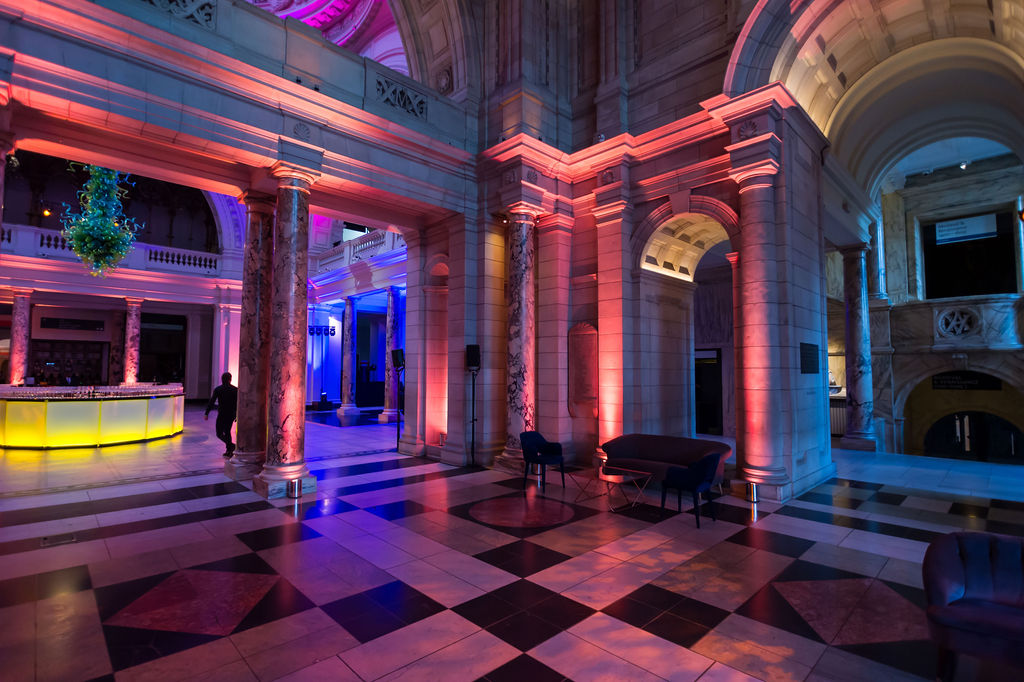
At the V&A, lighting is one of the most powerful design tools available. It can transform a space without adding unnecessary physical build.
- Highlight sculptures and architecture
- Create atmosphere
- Shape the guest journey
- Change the feel of a room with minimal intrusion
Heavy décor is rarely needed. The venue already provides visual richness, so thoughtful lighting often has a greater impact than over-styling the space.
5. Build a Detailed Production Timeline
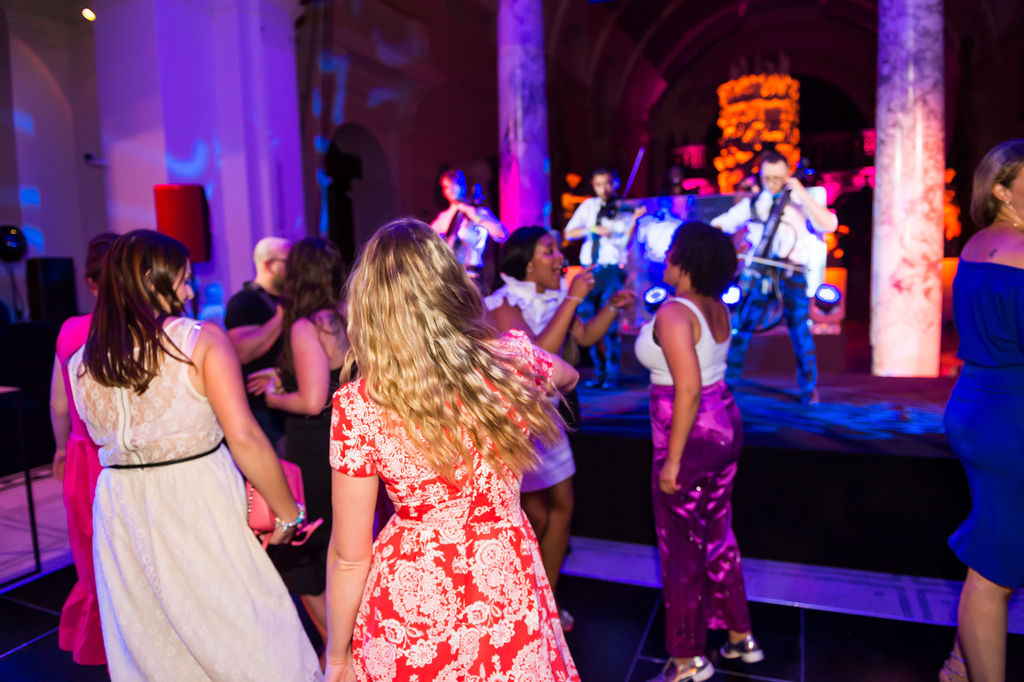
Because access is limited, the production timeline needs to be exact. Every supplier should know not just what they are doing, but when they are doing it.
- Load-in schedule
- Equipment placement
- Testing and soundcheck
- Final walkthrough
There is little room for delay, so the timeline should be realistic, tightly controlled and shared across the full supplier team well in advance.
6. Plan Guest Flow With Intent
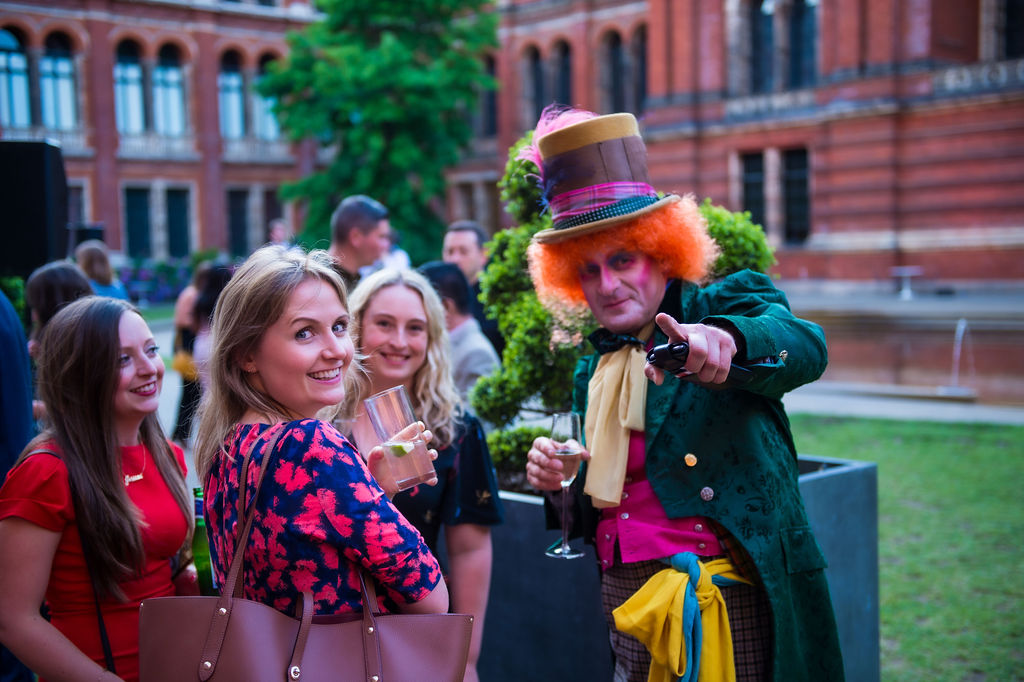
The V&A is not always intuitive for events, especially when a larger guest count is moving through multiple spaces. Without a plan, guests can lose direction or gather in the wrong areas.
- Lighting to subtly guide movement
- Music to signal changes in atmosphere
- Layout to support natural circulation
When this is done well, guests feel guided without noticing the mechanics behind it.
7. Layer the Experience
A successful V&A event should feel layered rather than continuous. Each phase of the evening should add a new dimension to the experience.
- Cultural immersion, such as exhibition access
- Social reception
- Dining experience
- Entertainment
These layers create depth and keep the event moving forward with purpose.
8. Coordinate Suppliers at a High Level
Events at the V&A usually involve several stakeholders, so coordination has to be tightly managed. Without strong leadership, the event can feel fragmented.
Typical stakeholders include
- Venue team
- Production crew
- Caterers
- Entertainment suppliers
What matters most is clarity: clear communication, defined roles and central leadership from one team that understands the whole picture.
9. Build Toward a Clear Peak Moment
Every event needs a high point. At the V&A, that moment often works best in a central space where lighting, music and performance can all align.
- A strong focal point
- Simple but effective timing
- All earlier moments building towards one reveal
This is where the event payoff lands and where the structure of the entire evening feels intentional.
Final Thought
Planning an event at the V&A is about precision, structure and creative direction. When those elements are aligned, the result is one of the most impressive corporate event experiences in London.
For a real-world example of this approach, see our V&A corporate event case study.


