
A strategic guide to delivering seamless events at scale
Planning a corporate event for 80 or even 150 guests is one thing. Planning for 500 to 1000 guests is something else entirely. At this level, flow becomes critical, energy is harder to control and logistics become exponentially more complex.
What works for smaller events does not scale. In a venue such as 116 Pall Mall, you have the opportunity to create something spectacular, but without the right structure, scale quickly exposes weaknesses.
What changes when the audience gets bigger?
Large-scale corporate events are not simply smaller events with more tables. They require a different approach to guest movement, production, timing and experience design. The aim is not just to fill the space, but to make the space feel alive, controlled and purposeful from arrival to departure.
1. Start with the outcome, not the setup
The first question is not what do we need to book? It is what do we want guests to experience? Define the purpose of the event, the desired atmosphere and the key moments. Is it a celebration, a networking-focused evening or a brand-led experience? This informs every decision that follows.
2. Design for crowd behaviour, not just capacity
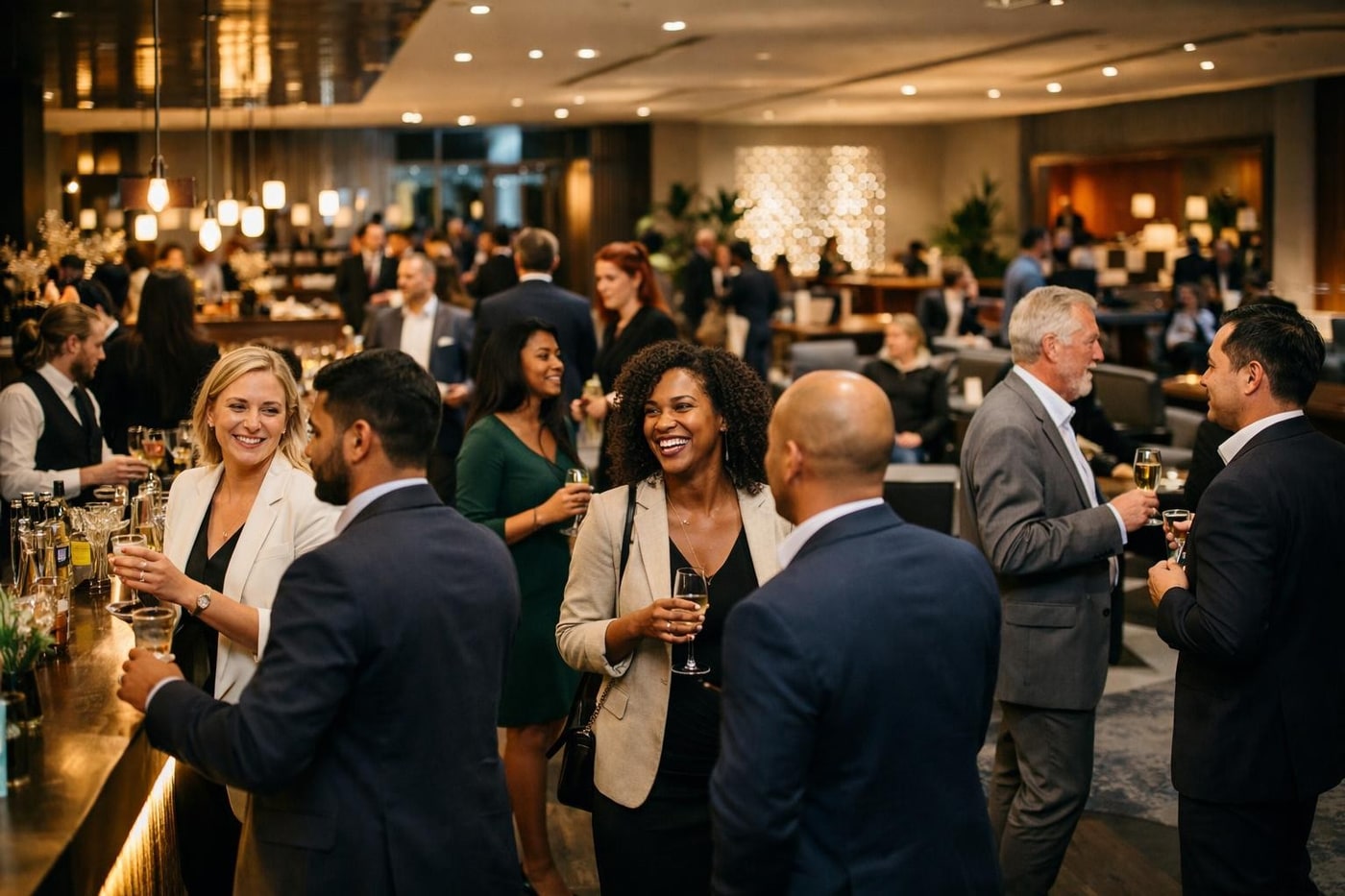
Large audiences behave in predictable ways. They cluster around bars, move towards sound and light and avoid empty spaces. Without planning, this creates overcrowded areas, underused zones and uneven energy.
To solve this, you need to distribute bars strategically, position entertainment across the space and create multiple focal points.
3. Create multiple focal points
One stage does not work for 1000 guests. You need a central experience, secondary engagement areas and breakout spaces. At a venue like 116 Pall Mall, that could include a main dancefloor in the central room, lounge areas for conversation and additional entertainment zones. This keeps the entire venue active.
4. Design flow, not just layout
Layout is what you see on paper. Flow is what guests actually experience. You must plan entry points, movement routes and natural gathering areas, and consider how these are influenced by bar placement, catering stations and entertainment positioning.
When done correctly, guests move without thinking. When done poorly, guests get stuck, confused or disengaged.
5. Scale production to match the audience
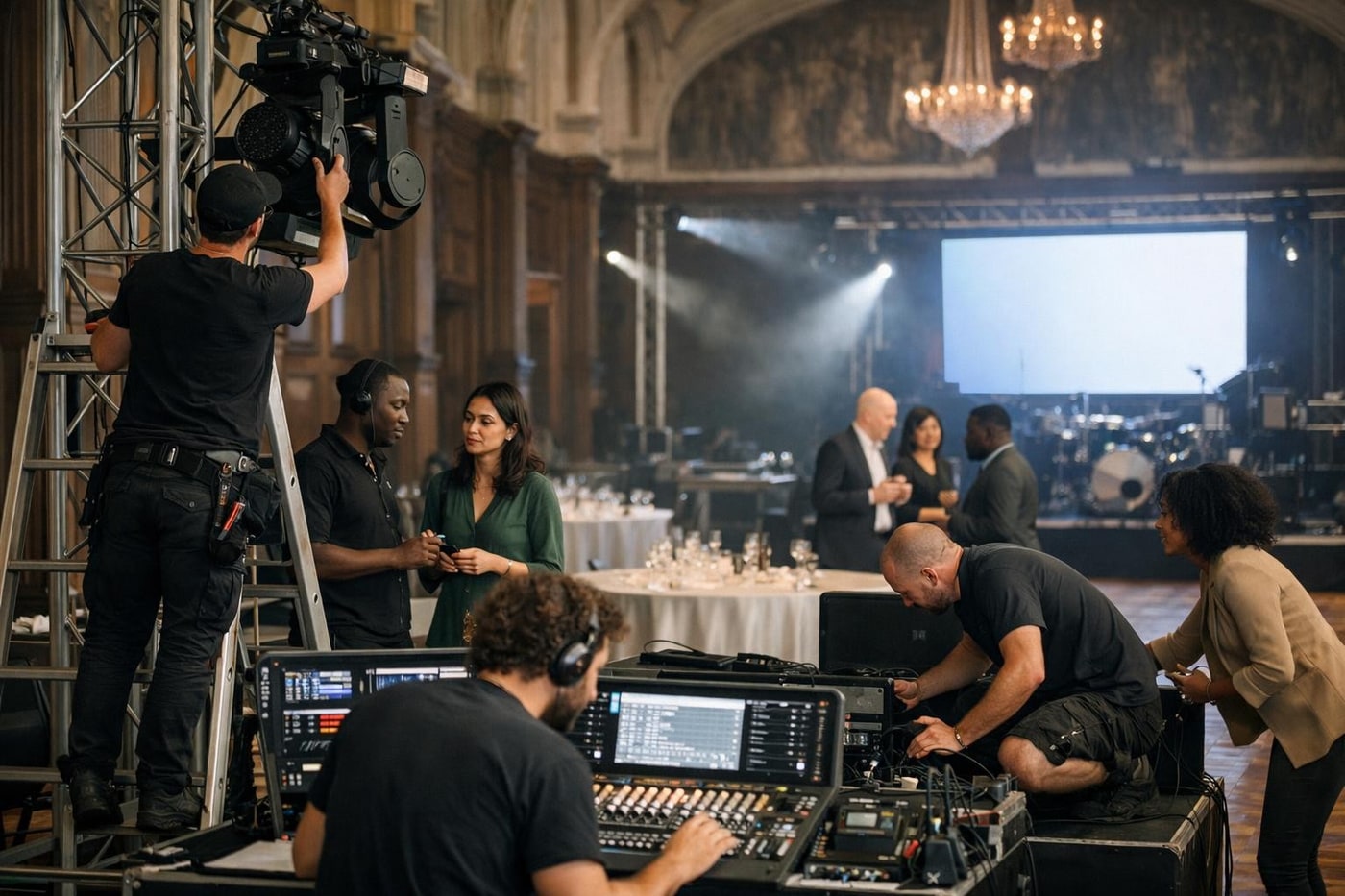
Production is where many large events fail. Common mistakes include insufficient sound coverage, lighting that does not reach the full space and staging that feels too small. At scale, production must fill the room, maintain visibility and deliver impact from every angle.
This is especially important in large, historic venues where the setting is part of the experience but also part of the challenge.
6. Build a detailed event timeline
Timing becomes more critical as scale increases. You need a structured run sheet, clear transition points and defined timings for entertainment. Every supplier must be aligned.
At Events by Knight, we treat timing as part of the creative design, not just an operational checklist.
7. Layer entertainment across the event
A single entertainment moment is not enough. You need progression. A strong structure might include arrival atmosphere, mid-event interaction, a main performance and a high-energy finale.
This keeps guests engaged throughout and helps the event build naturally rather than feeling static.
8. Plan logistics early and thoroughly
Large-scale events involve multiple suppliers, complex load-ins and strict timelines. You need clear access schedules, coordinated delivery times and defined responsibilities.
At venues like 116 Pall Mall, efficient logistics are essential to making sure the event begins smoothly and stays on track.
9. Manage guest experience at scale
At 1000 guests, small issues become noticeable. Queue times at bars, ease of movement and comfort levels all have a direct impact on perception. This means adequate staffing, a clear layout and efficient service are not optional extras.
Guest experience is what defines success, especially for corporate audiences where every detail reflects on the host brand.
10. Build towards a strong peak
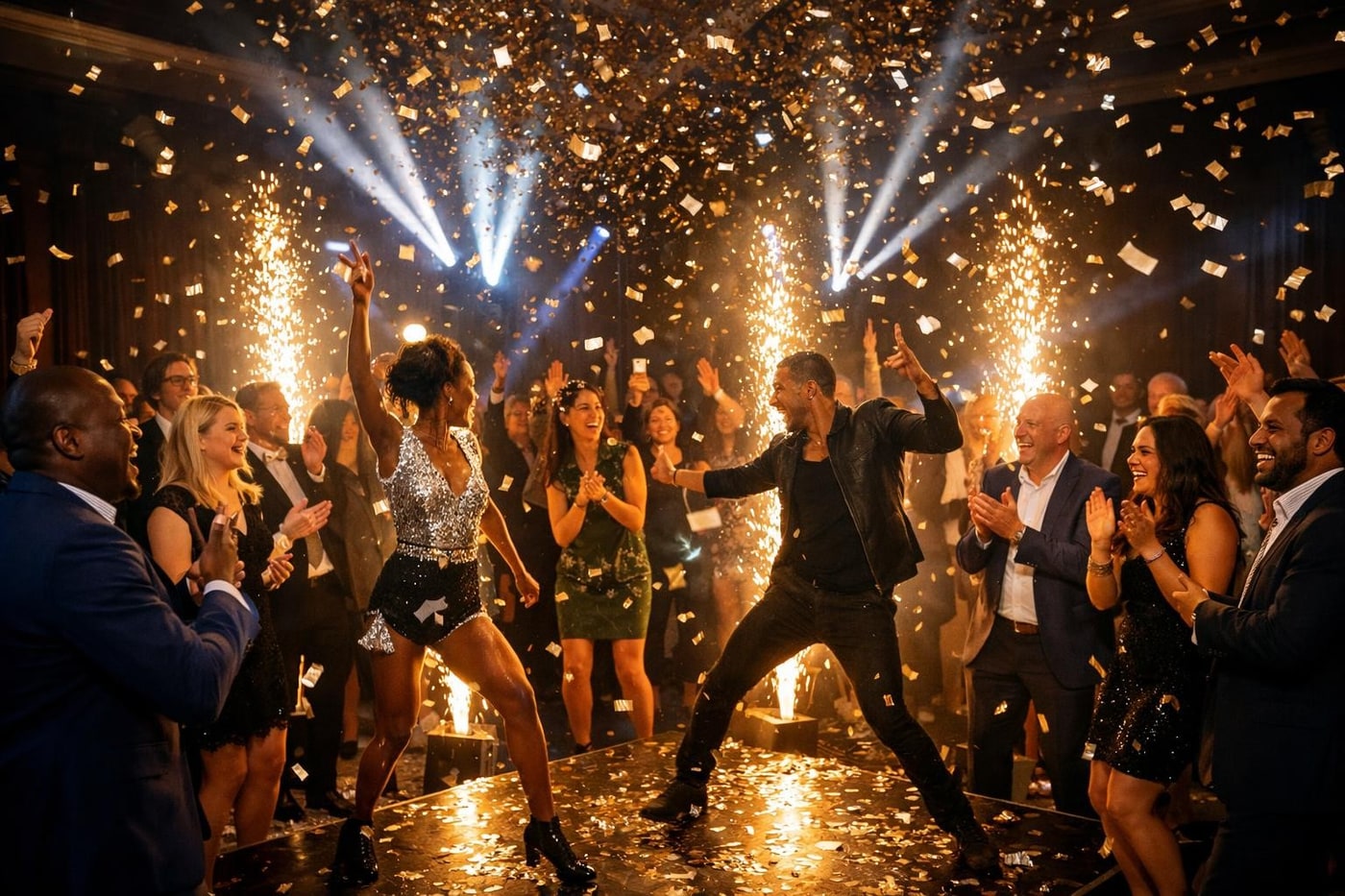
Every large-scale event needs a defining moment. This is where energy peaks, guests come together and the event reaches its highest point. That could be a live performance, a DJ-led party or a visual or theatrical moment.
Without this, the event can feel good but forgettable.
11. End with intent
The final moments matter. A strong ending ensures guests leave energised and the event is remembered positively. The close should be planned, timed and delivered with purpose.
It is often the final impression that shapes how the event is talked about afterwards.
12. Why experience matters at scale
Large-scale events leave no room for guesswork. They require experience, structure and creative direction. If you are considering a venue such as 116 Pall Mall, our Pall Mall case study shows how a historic setting can be transformed into a high-impact experience for a corporate audience.
At Events by Knight, we specialise in delivering events that work at scale without losing quality or impact.
Final thought
Large-scale corporate events are not about doing more. They are about doing things correctly at a higher level. When the structure is right, the event feels effortless for guests and far more effective for the host.
If you are planning a large-scale corporate event, the right strategy will make all the difference from concept through to execution.


