
How to Design High-Impact Experiences in World-Class Spaces
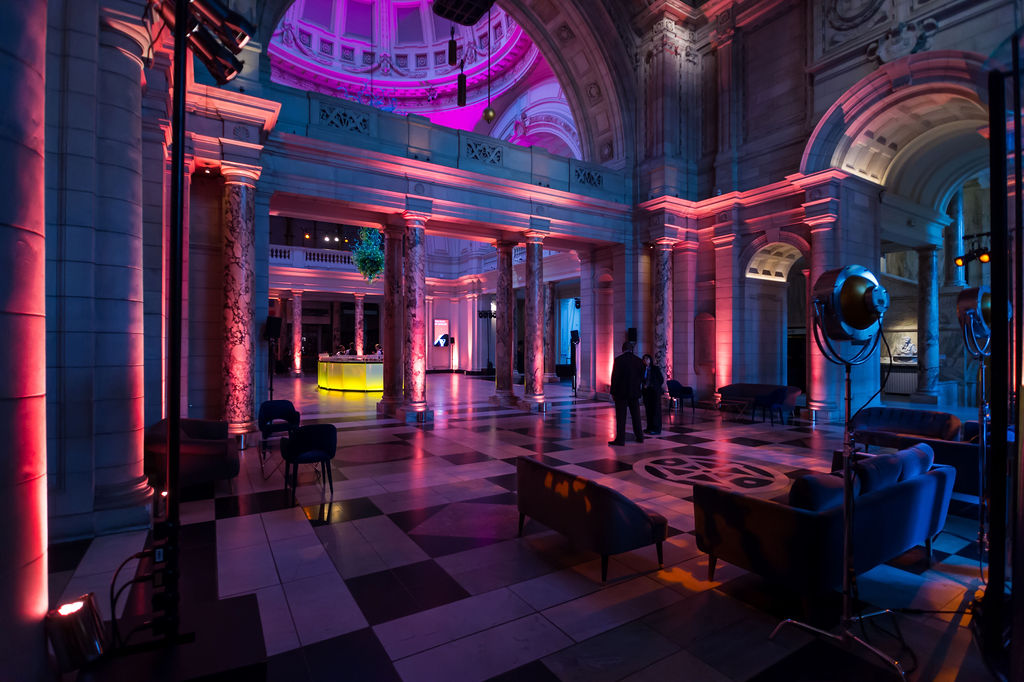
When it comes to corporate event ideas for London venues, the venue is not just a location. It is a statement. Choosing an iconic venue such as the Victoria and Albert Museum immediately elevates perception and signals that the event has been carefully considered, curated and is worth attention.
But here is the key point most teams overlook: an iconic venue alone does not create a great event. It simply gives you the opportunity to design one. The difference between a good event and an exceptional one comes down to how the space is used.
1. Design the Experience Before the Layout
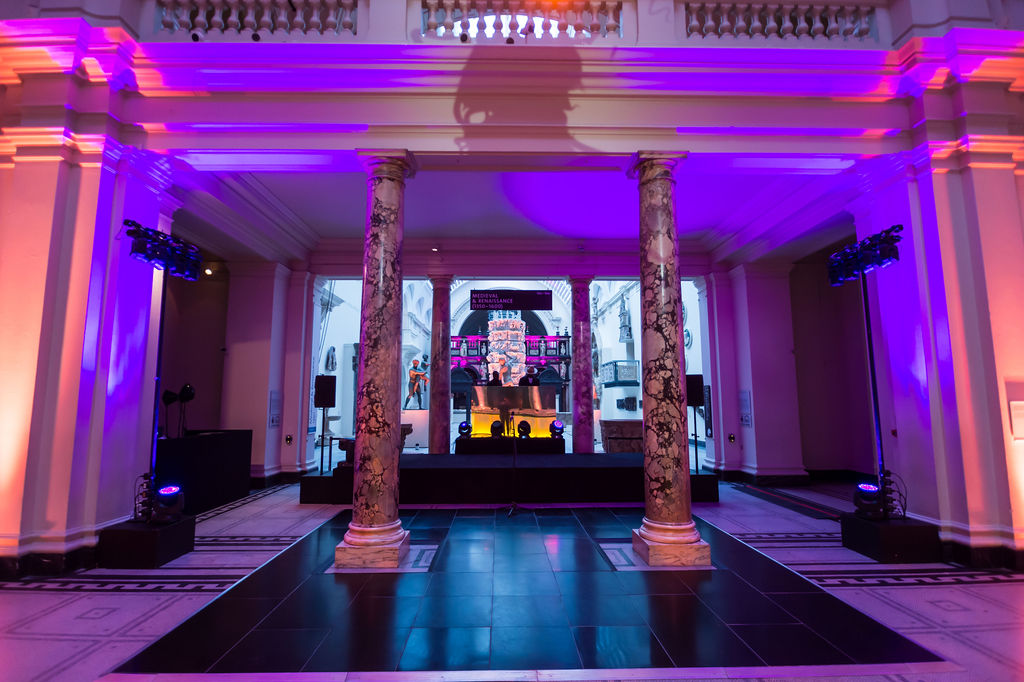
One of the most common mistakes in corporate event planning is starting with logistics instead of experience. The real starting point should be: how do you want your guests to feel throughout the evening?
For example:
- Arrival should feel effortless and impressive
- Mid-event should feel social and engaging
- The later stages should feel energetic and celebratory
At venues like the V&A, this becomes even more important because you are not working with one room. You are working with a sequence of spaces. Your job is to design a journey, not just a setup.
2. Create a Multi-Space Journey
Iconic venues offer something most standard venues cannot: multiple environments within one location. At the V&A, guests can move through grand entrance spaces, exhibition areas, galleries and outdoor courtyards.
This allows you to design an experience that evolves. A strong structure might look like this:
Arrival
Guests are welcomed into a visually striking space with drinks and light music.
Immersion
Guests experience something unique, such as private access to an exhibition.
Social
A relaxed reception area encourages conversation and networking.
Main Event
Dining, entertainment or a central experience takes the focus.
Finale
A high-energy party space closes the night.
Each stage builds on the last. This is what creates momentum.
3. Let the Venue Do the Heavy Lifting
One of the biggest mistakes with iconic venues is over-designing. Spaces like the V&A already have architectural detail, scale and atmosphere. Trying to compete with that often reduces the impact.
Instead, focus on:
- Lighting that enhances key features
- Minimal but high-quality décor
- Strategic staging
The goal is not to fill the space. The goal is to frame it.
4. Use Lighting as Your Primary Design Tool
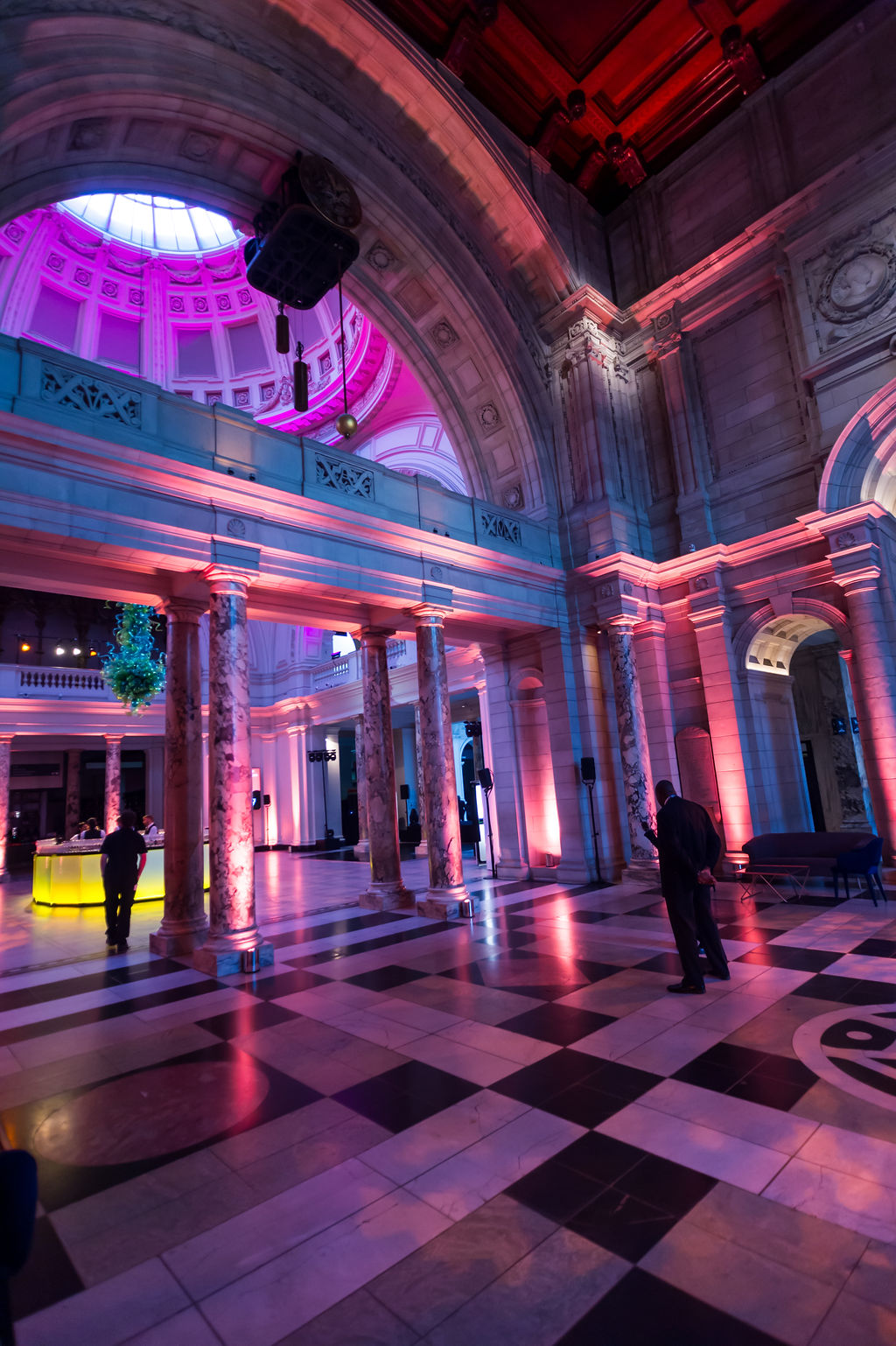
Lighting is one of the most powerful tools in event design, especially in heritage venues. With the right lighting, you can highlight architectural features, create intimacy within large spaces and shift mood throughout the evening.
For example:
- Warm lighting for arrival
- Subtle feature lighting during reception
- Dynamic lighting for the party phase
Lighting allows the same space to feel completely different at different moments.
5. Layer Entertainment Across the Experience
.jpg)
In iconic venues, entertainment should not be confined to one stage. It should evolve with the event.
A well-designed programme could include:
- Arrival: string quartet or acoustic performers to set the tone
- Mid-event: roaming performers or interactive acts
- Main event: live band or structured performance
- Finale: DJ-led party
At the V&A, this layered approach keeps guests engaged without overwhelming the space.
6. Create Exclusive Moments Guests Cannot Normally Access
One of the biggest advantages of iconic venues is exclusivity. Guests remember what they normally cannot experience.
This could include:
- Private exhibition access
- Access to restricted areas
- Performances in unexpected spaces
These moments elevate the event beyond standard corporate experiences and give guests something to talk about long after the evening ends.
7. Plan for Logistics Early and Properly
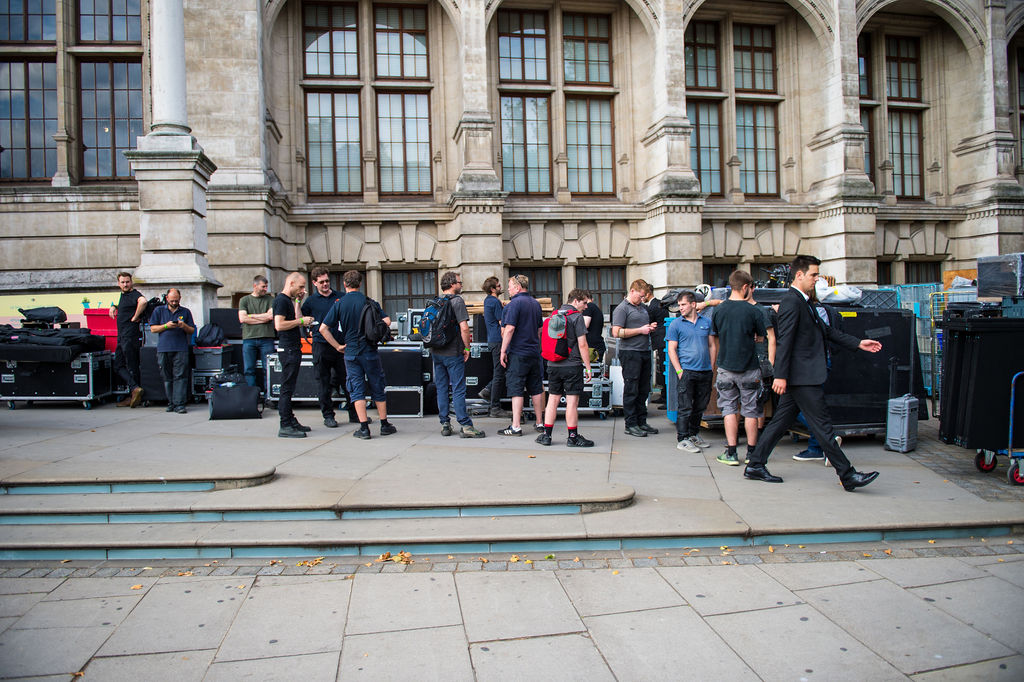
Here is where many events fall short. Iconic venues come with tight setup windows, strict production rules and limited access times. At venues like the V&A, setup often begins only after public closing hours.
This means:
- Every element must be pre-planned
- Teams must work with precision
- There is no margin for delay
Without proper planning, even the best concept will struggle. If you want to see how this can work in practice, our Victoria and Albert Museum case study shows how thoughtful production and venue respect come together.
8. Design for Guest Flow, Not Just Aesthetics
A beautiful event means nothing if guests do not move naturally through it. You need to consider where guests gather, how they move between spaces and where bottlenecks may occur.
This is influenced by:
- Bar placement
- Food stations
- Entertainment positioning
When done correctly, guests will not notice the flow. They will simply feel that the event works.
9. Build Towards a Strong Final Moment
The final part of your event is what guests remember most. Too many events peak too early and lose momentum.
Instead:
- Start relaxed
- Build gradually
- Finish strong
This could be a full dancefloor moment, a headline performance or a final shared experience. Ending on a high ensures your event leaves a lasting impression.
10. Work With a Team That Understands Iconic Venues
Events in spaces like the V&A are not standard productions. They require experience with complex venues, strong production management and creative direction that respects the space.
This is where the difference is made. The best results come from teams who understand both the ambition of the brief and the practical realities of delivering in a high-profile London venue.
Final Thought
Iconic venues give you an advantage, but they also raise expectations. To deliver a successful corporate event in a space like the V&A, you need more than a good idea. You need structure, creative direction and flawless execution.
Used well, a world-class venue becomes more than a backdrop. It becomes part of the experience itself.


