
Why Guest Movement and Energy Design Are Everything
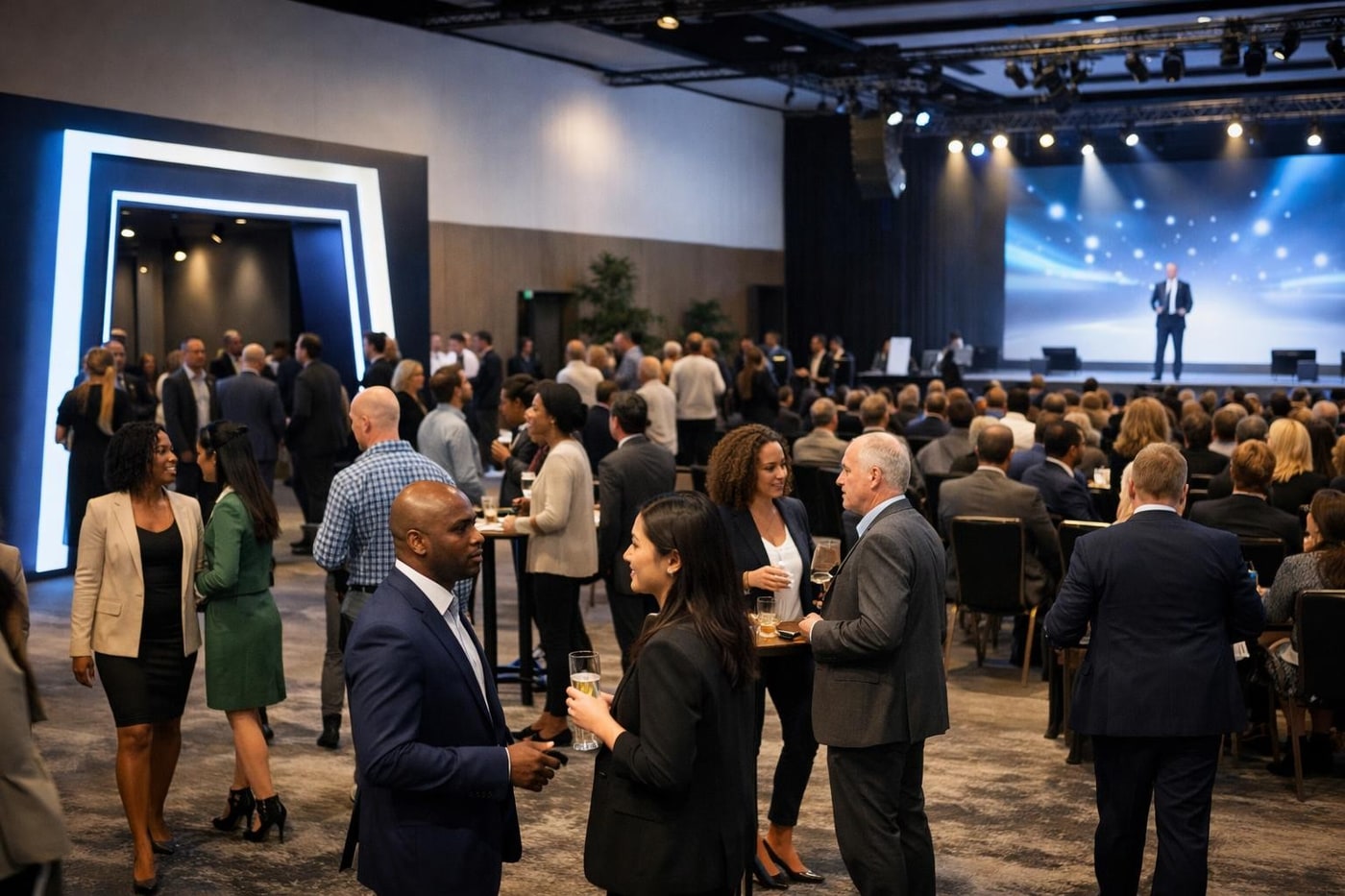
When planning a large corporate event, it is easy to focus on the headline moments: the venue, the catering, the entertainment and the overall look and feel. But the real difference between an event that feels polished and one that feels disjointed often comes down to guest movement and energy design.
How to Create Flow at Large Corporate Events is really about making sure every part of the experience connects naturally. When flow works, guests move confidently through the event, interactions feel effortless and the atmosphere builds in the right way. When it does not, energy drops, queues build and even the best content can feel flat.
What Is Event Flow and Why It Matters
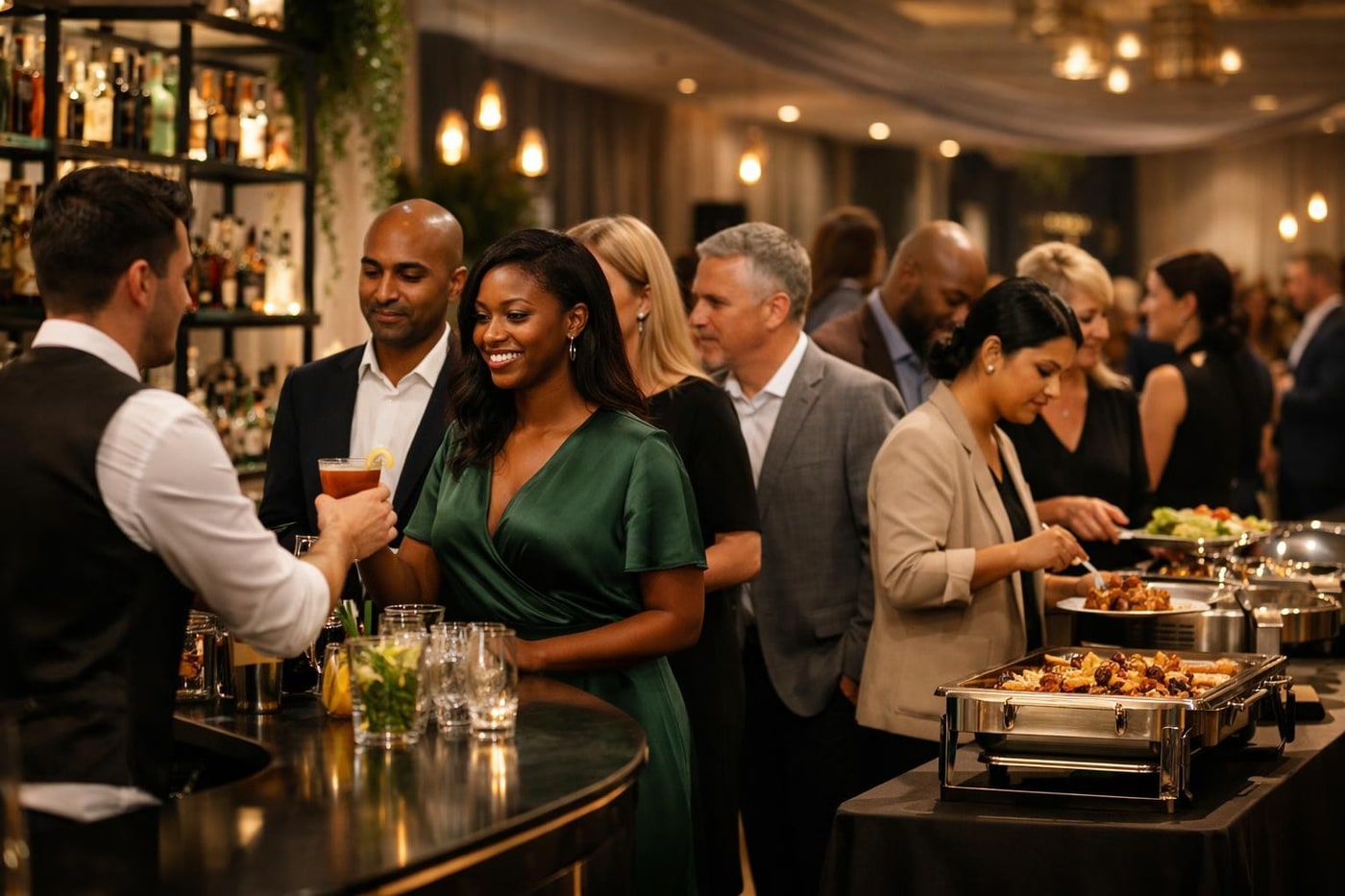
Event flow is how guests move, interact and experience the event. It shapes the pace of the room, the comfort of your guests and the overall impression they take away.
When it works, everything feels effortless. When it does not, the event feels disjointed.
1. Start With the Guest Journey
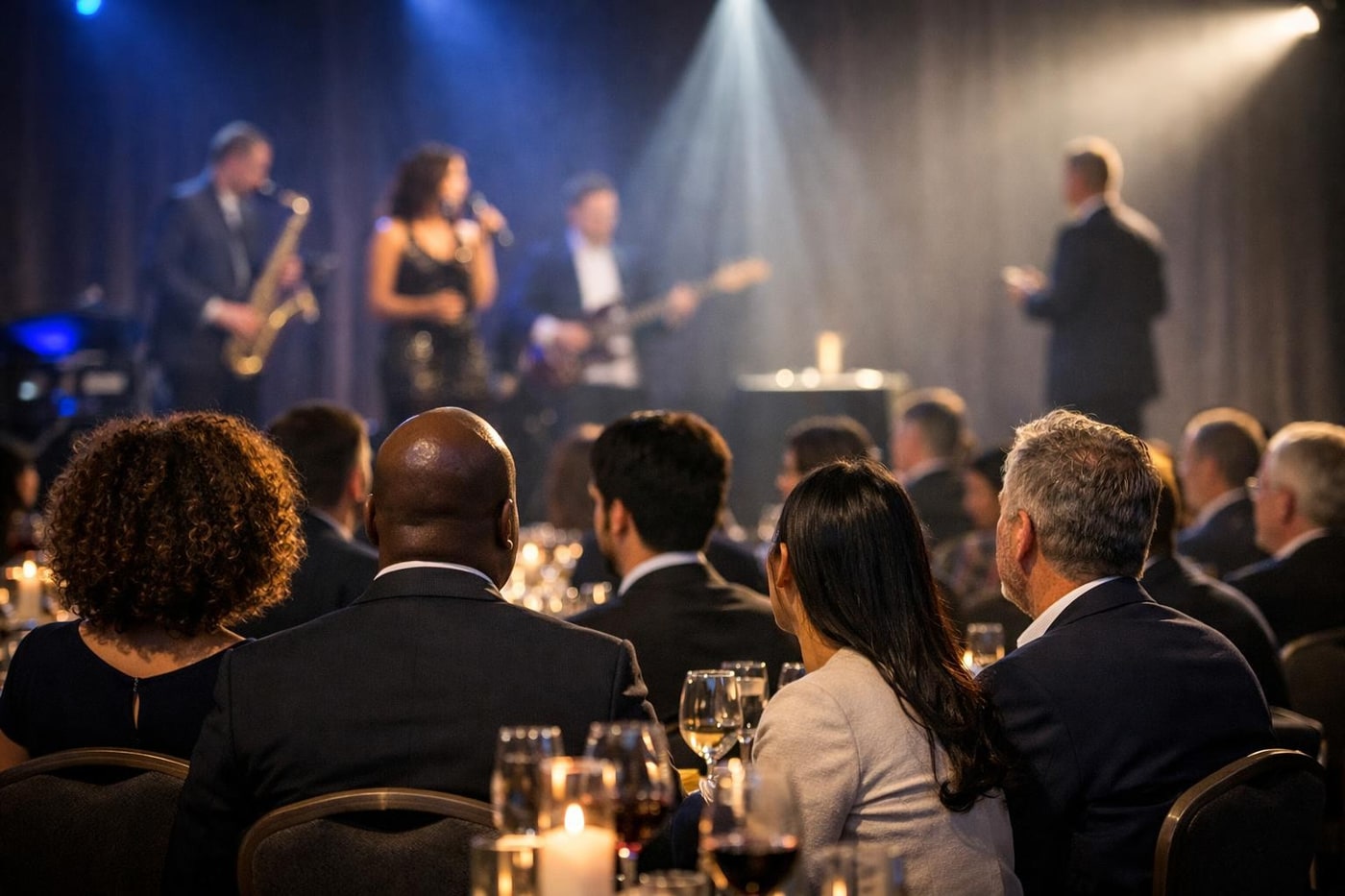
Plan the experience step by step, from the moment people arrive to the moment they leave. Every stage should connect logically so guests always know where to go next.
- Arrival
- First interaction
- Food
- Entertainment
- Departure
Thinking in terms of the guest journey helps you spot awkward pauses and places where energy might drop. It also gives your team a clearer framework for service, signage and timings.
2. Eliminate Dead Time
Nothing kills energy faster than inactivity. Large events need momentum, and that means avoiding those moments where guests are left wondering what happens next.
Always ensure:
- Music is playing
- Something is happening
- Guests are engaged
Even subtle background activity can keep the room feeling alive. The goal is not to overwhelm people, but to maintain a sense of purpose and movement throughout the event.
3. Position Key Elements Strategically
Where you place bars, food stations and stages directly affects movement. Poor placement creates congestion. Good placement creates flow.
- Bars
- Food
- Stages
These decisions should be made with the full guest journey in mind, not just the floor plan. For example, if you are planning a summer celebration or large-scale hospitality experience, reviewing a live corporate party case study can help you see how layout and guest movement work together in practice.
4. Control Transitions Between Moments
Transitions should feel smooth. This is often where large corporate events succeed or fail, because even strong content can feel disconnected if the change from one moment to the next is abrupt.
Use:
- Music changes
- Lighting adjustments
- Subtle cues
These details help you keep momentum without disrupting the atmosphere. A well-managed transition feels invisible to guests, which is exactly the point.
5. Maintain Energy Throughout
Energy should build gradually, peak at the right time and finish strong. Avoid peaking too early, especially at large events where guests may still be arriving or settling in.
- Build gradually
- Peak at the right time
- Finish strong
This is where timing, entertainment and content all need to work together. If the energy curve is right, guests stay engaged for longer and the event feels more cohesive from start to finish.
6. Design for Different Guest Behaviours
Not all guests behave the same. Some stay in one area, some move constantly and some focus on socialising. Your event should cater to all of them.
- Stay in one area
- Move constantly
- Focus on socialising
That means offering a mix of spaces, pacing and engagement points. Good flow gives every type of guest a comfortable way to take part without causing bottlenecks or dead zones.
Final Thought
Flow is not accidental. It is designed through experience, planning and creative direction.
If you want your event to feel seamless, every decision should support the wider experience: how guests enter, where they gather, when they move and how the energy evolves over time.
That is the real answer to creating a large corporate event that feels effortless.


