
Why Themed Corporate Events Still Work at the Highest Level
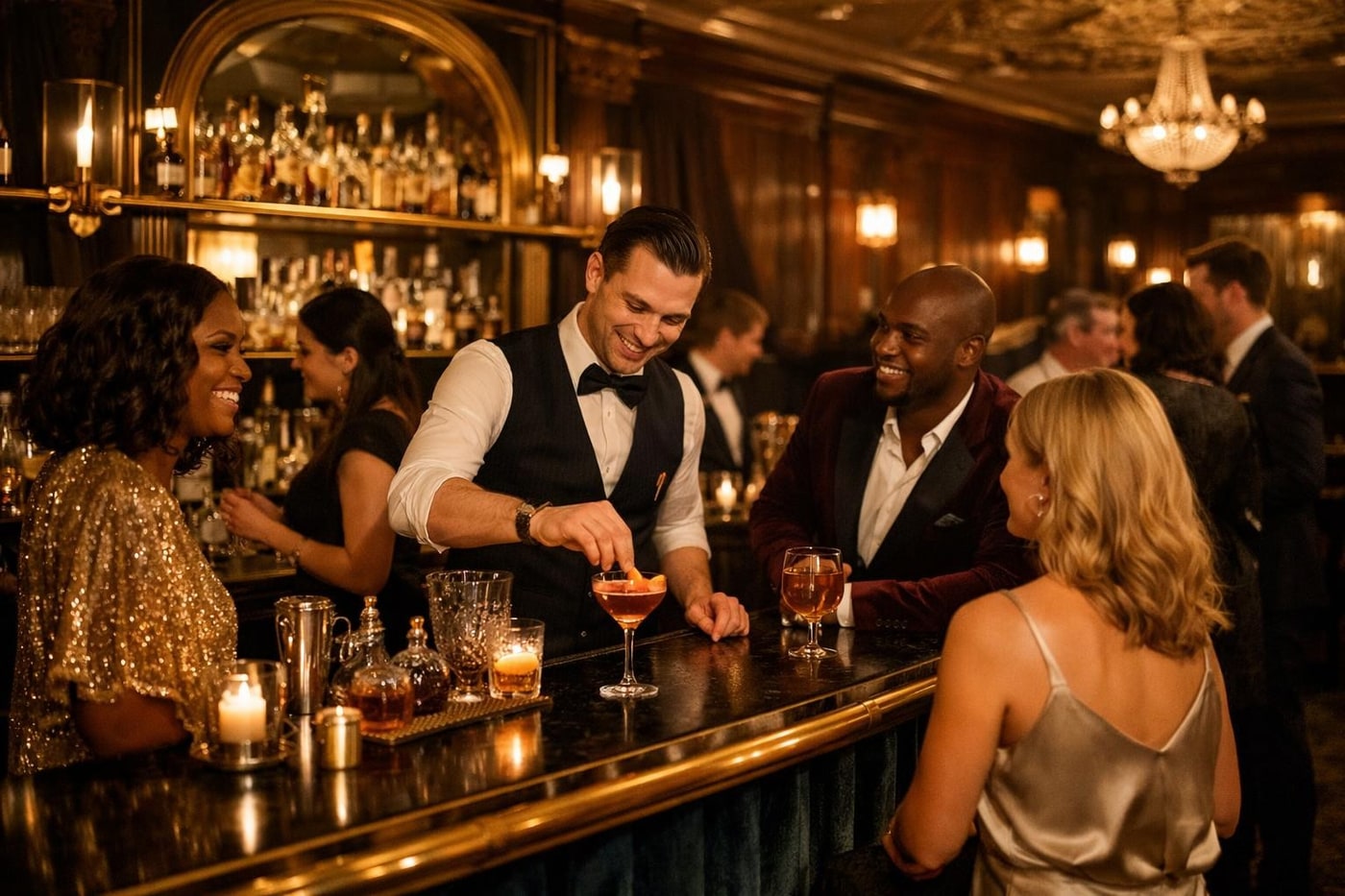
There is a misconception in corporate events that themes are outdated. The reality is simple: poorly executed themes feel outdated, while well-executed themes feel immersive, elevated and memorable.
At Events by Knight, we approach themed events differently. We do not “decorate a room”. We design an experience. And when working in a venue such as 116 Pall Mall, the opportunity to create something exceptional becomes even greater.
The Power of a Strong Concept
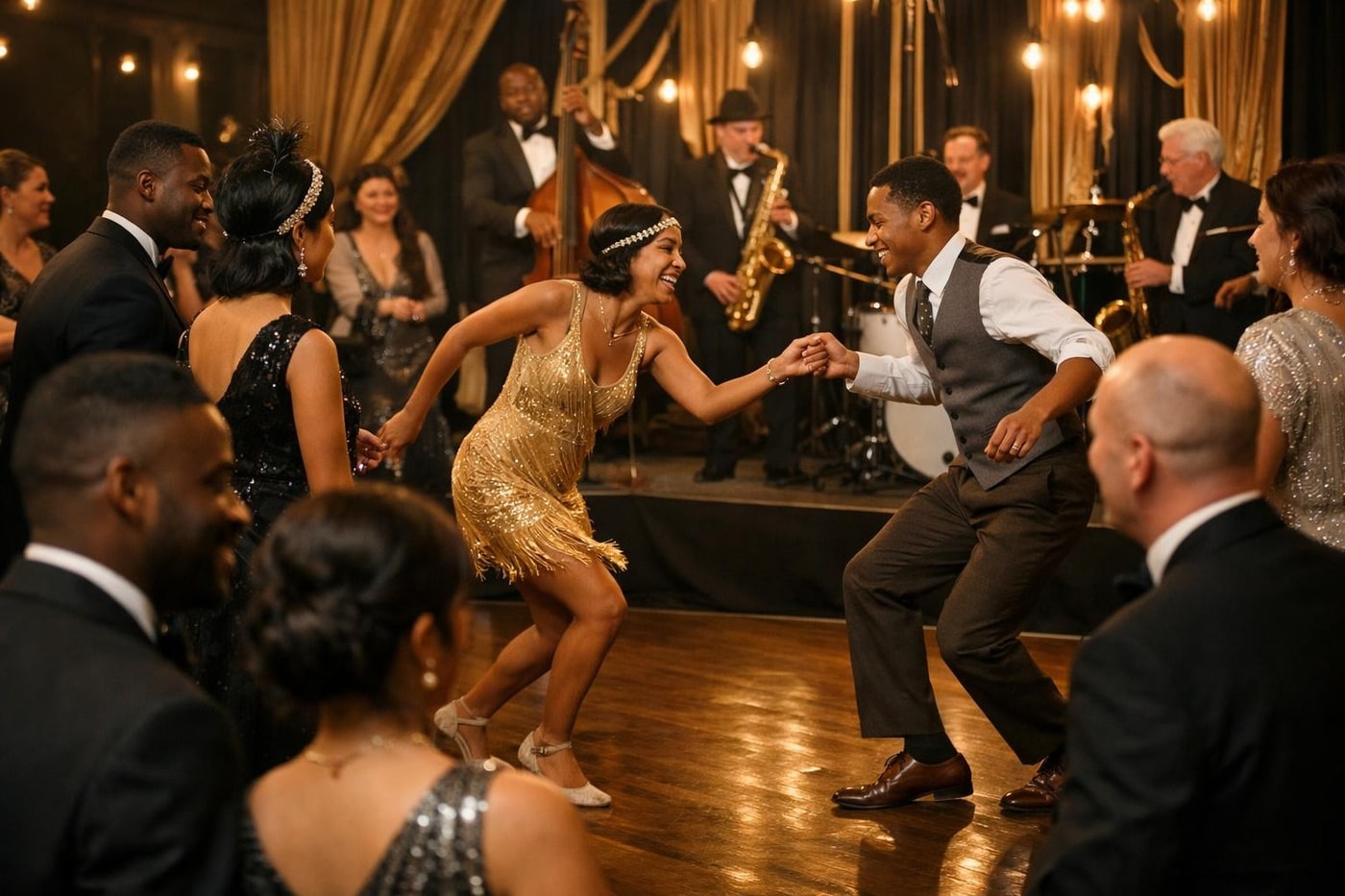
A theme is not about aesthetics. It is about narrative, atmosphere and guest immersion.
For 1920s Themed Corporate Events in London, that means elegance, energy, sophistication and a sense of occasion. The goal is to transport guests, not just entertain them.
Designing for Scale: 500 to 1000 Guests
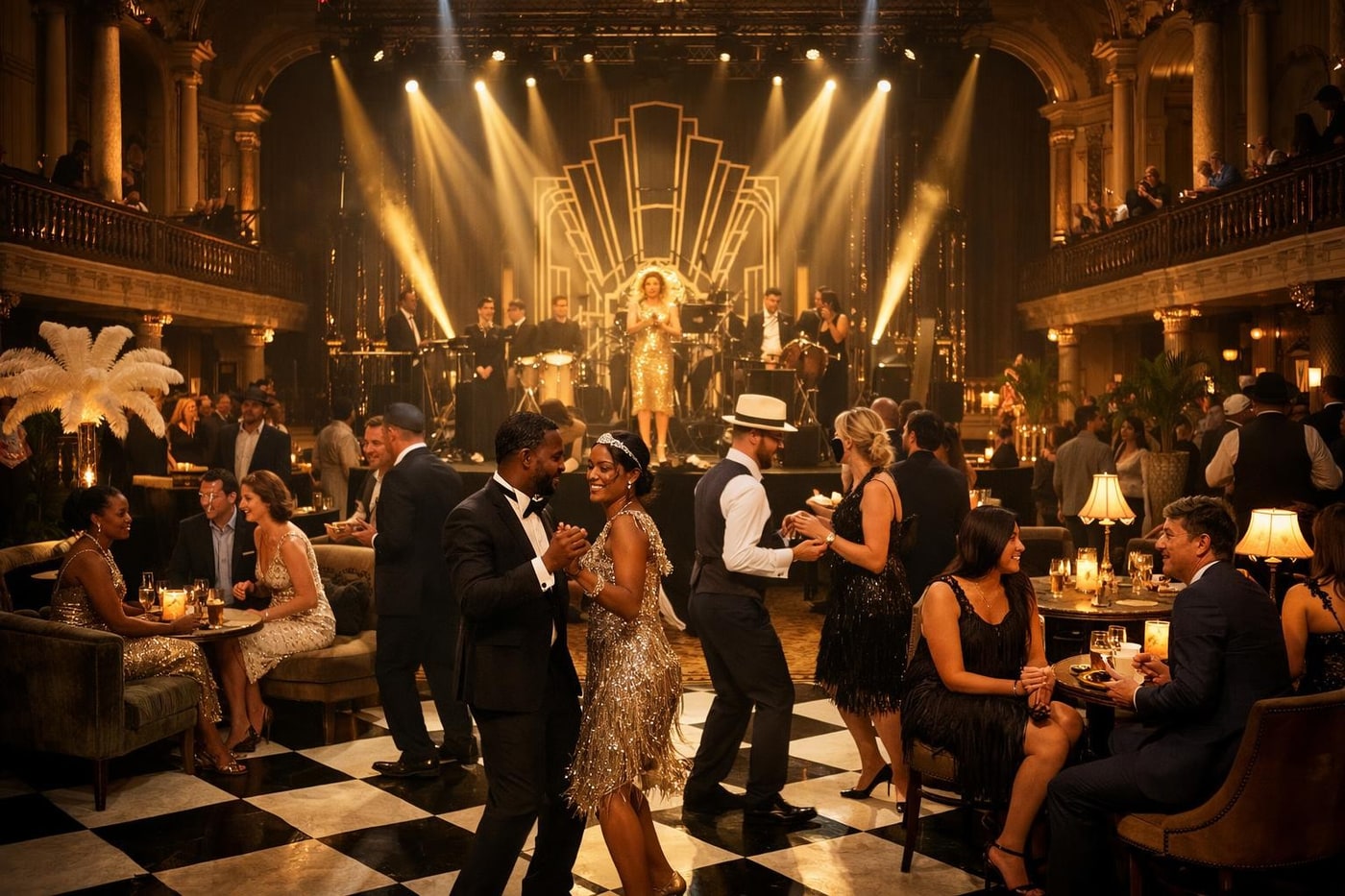
Large-scale corporate events require a different level of thinking. At 116 Pall Mall, with capacities reaching up to 1000 guests, the challenge is not simply filling the space. It is maintaining energy across a large audience, ensuring consistency of experience and creating focal points that draw guests in.
This is where structure becomes critical.
1. Create Strong Visual Anchors
In large venues, guests need clear focal points. For a 1920s event, this could include:
- A central stage
- A grand dancefloor
- Feature bars designed as speakeasies
These anchors guide movement, create gathering points and maintain energy. Without them, the room feels fragmented.
2. Use Design to Transport Guests
The difference between themed and immersive lies in detail. For a 1920s concept, design elements may include gold and black colour palettes, Art Deco patterns, vintage furniture and atmospheric lighting.
At 116 Pall Mall, the venue’s architecture already lends itself to this style. Your role is to enhance it, not compete with it.
3. Layer Entertainment for Maximum Impact
Entertainment should not be one-dimensional. A high-level 1920s event could include:
- Live jazz band during arrival
- Swing dancers interacting with guests
- Dance instructors teaching short routines
- DJ-led party later in the evening
This creates progression. Guests are not just watching; they are part of the experience.
4. Create Interactive Moments
Modern corporate audiences expect more than passive entertainment. Interactive elements elevate the experience. Examples include themed photo booths with costumes, chocolate selfie stations and immersive bar experiences.
These moments increase engagement, encourage social sharing and extend the life of the event beyond the night.
5. Build the Energy Curve
Every successful event follows an energy journey. Start relaxed and social, move into a more interactive middle, and finish high-energy and celebratory.
At Events by Knight, we design this intentionally. It is never accidental.
6. Deliver Consistency Across Every Touchpoint
From invitations to execution, everything must align. For a 1920s event, invitations should reflect the era, staff presentation should match the theme, and music and performance must stay consistent.
This is what creates immersion.
7. Why 116 Pall Mall Works Perfectly
116 Pall Mall offers historic grandeur, large-scale capacity and multiple spaces. It naturally complements elegant themes, high-end corporate events and large guest numbers.
For a closer look at how the venue can support a sophisticated themed production, see our 116 Pall Mall case study.
Final Thought
A themed event at this level is not about decoration. It is about storytelling, design and execution. Done properly, it creates an experience guests will remember long after the event.


