
How to use movement, music and energy to capture attention and drive engagement
In today’s environment, attention is the most valuable currency. Brands are competing in spaces where people are constantly moving, visually overloaded and selective with their time. Static activations can struggle in these conditions.
A branded stand, a visual display or even a well-designed installation can be overlooked if it does not create a reason to stop. This is why live performance has become one of the most effective tools in experiential marketing. It introduces something that cannot be ignored: movement, energy, sound and human connection. These are the elements that cut through.
The challenge brands are facing
Audiences are bombarded with messages throughout the day. In busy environments, it is not enough to look polished or well produced. An activation has to create an instant sense of interest.
- Constantly moving
- Visually overloaded
- Selective with their time
If the experience does not create a moment of pause, people keep walking. Live performance gives brands a way to interrupt that pattern in a natural, compelling way.
Why live performance works when other formats do not
Live performance triggers instinctive reactions. People are naturally drawn to movement, rhythm and groups of people gathering. When something is happening, people notice. When others are watching, more people join. This creates momentum.
Unlike static activations, performance creates a focal point, a sense of occasion and a reason to stay. That is what transforms a passing audience into an engaged crowd.
Creating a moment that stops people instantly
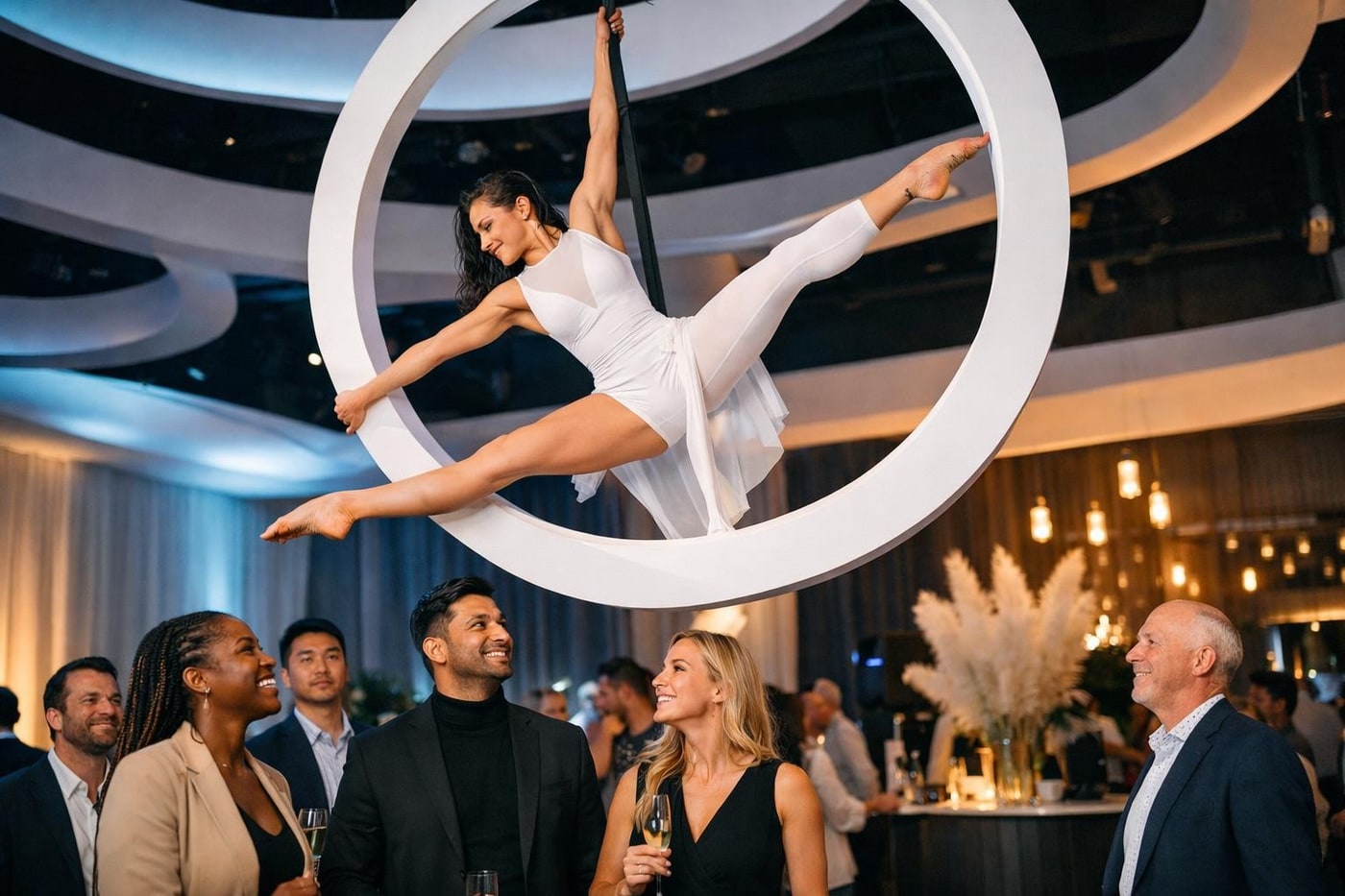
In high-footfall environments, you have seconds to capture attention. Live performance achieves this through immediacy. A dancer moving through a space, a burst of percussion or an acrobatic moment does not require explanation. It is understood instantly.
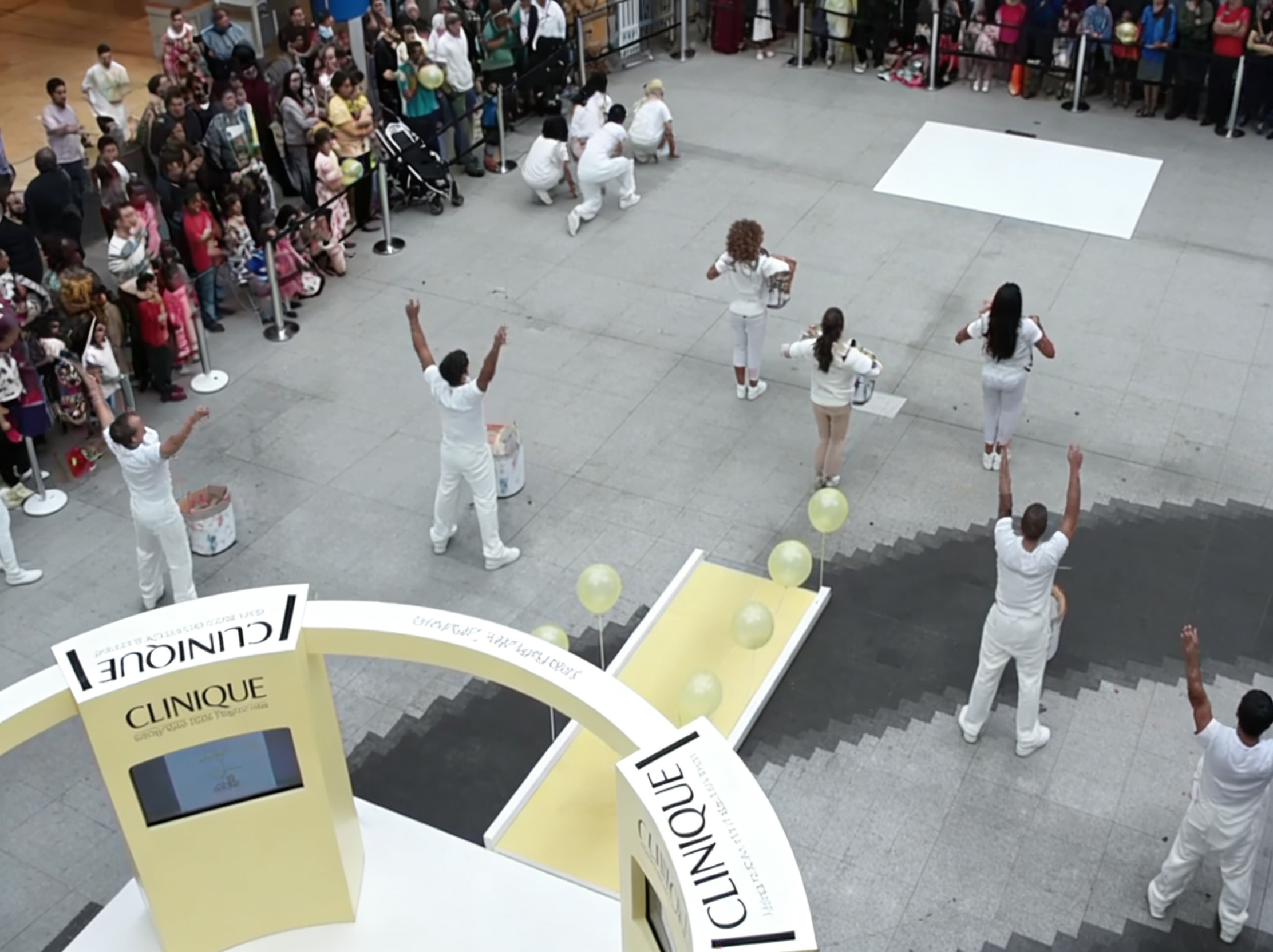
In the Clinique DDML+ activation case study, the use of street dancers, breakdancers, acrobats and live percussionists created a layered sensory experience. People could see and hear something happening before they fully understood it. That is what made them stop.
Turning attention into engagement
Capturing attention is only the first step. The real value comes from what happens next. Live performance creates a bridge between awareness and interaction. It draws people in, then gives them a reason to stay.
Once a crowd forms, the environment changes. There is energy. There is curiosity. There is a sense that something is happening. This is the moment where brands can introduce product interaction, sampling and conversations.
The transition must feel natural. The performance should not feel separate from the brand. It should feel like part of the experience.
Designing performance that aligns with the brand
Not all performance works for every brand. The style, tone and energy must align with the brand identity. For Clinique, the activation needed to reflect freshness, energy, innovation and a youthful, modern audience.
The choice of performers and choreography reflected this. Urban dance styles, dynamic movement and high-energy music created an experience that felt relevant and authentic. If the performance does not align with the brand, the activation loses credibility.
Using performance to create structure within the activation
Performance is not just about isolated moments. It can be used to structure the entire activation.
This includes:
- Drawing people in at key moments
- Resetting energy
- Creating peaks of activity
For example, a performance can begin quietly, building curiosity. It can then escalate, attracting more attention. At its peak, it creates a strong focal point. This structure keeps the activation alive throughout the day. Without it, energy can drop and engagement can fade.
The power of multiple performance elements
Layering different types of performance increases impact. Rather than relying on a single element, combining disciplines creates a richer experience.
This might include:
- Dance
- Music
- Acrobatic movement
- Interactive performers
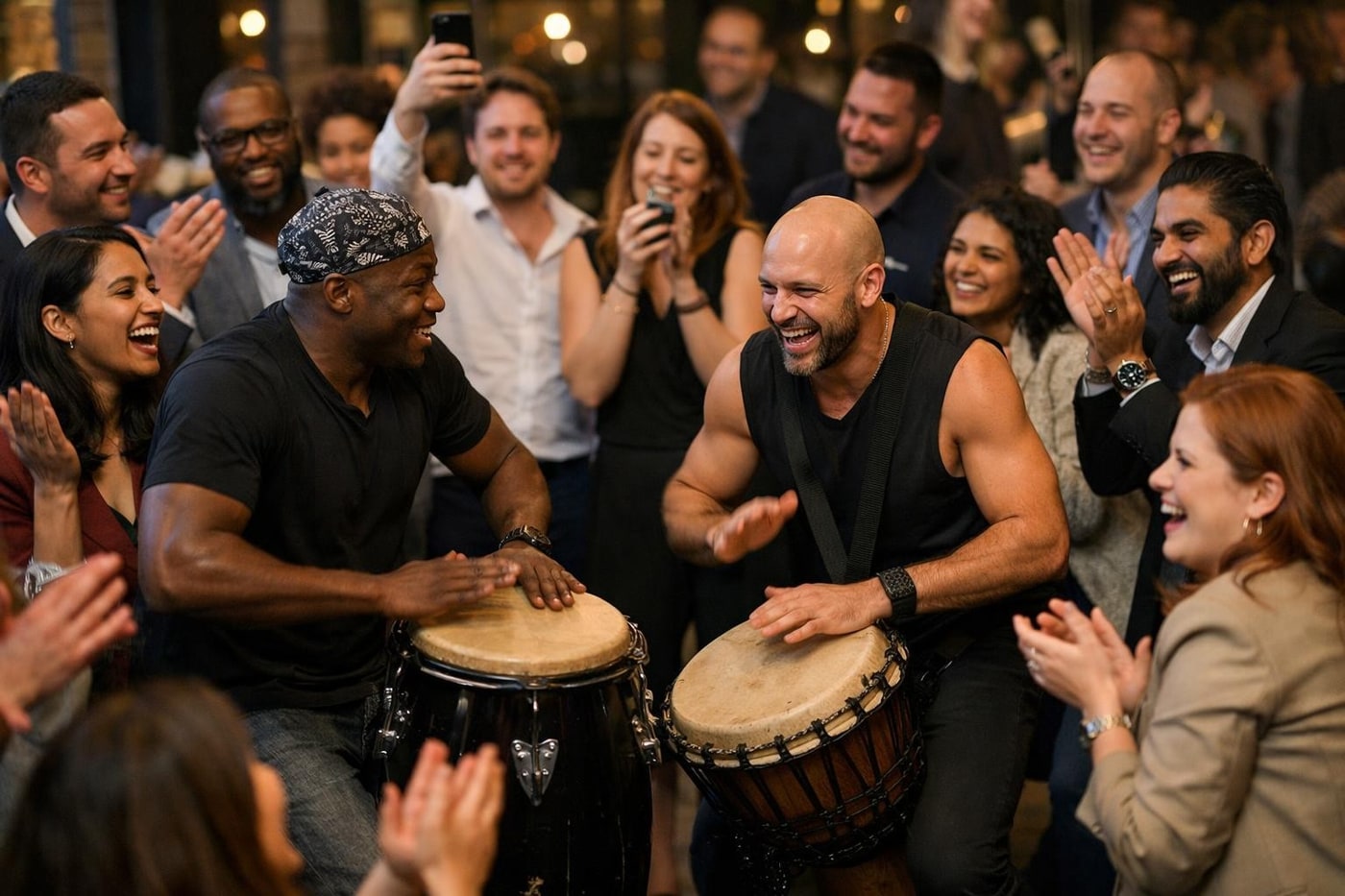
Each adds a different dimension. In the Clinique activation, the combination of dancers and percussion created both visual and auditory engagement. This ensured the activation stood out in busy environments.
Creating shareable moments through performance

One of the key benefits of live performance is its shareability. People are more likely to film movement, capture high-energy moments and share visually engaging content. This extends the reach of the activation beyond the immediate audience.
To maximise this, performance should include moments that are visually striking, dynamic and easy to capture. These do not need to be staged. They should feel natural within the experience.
Integrating performers into the environment
Traditional performance often separates performers from the audience. In experiential marketing, this separation should be removed. Performers should feel part of the environment.
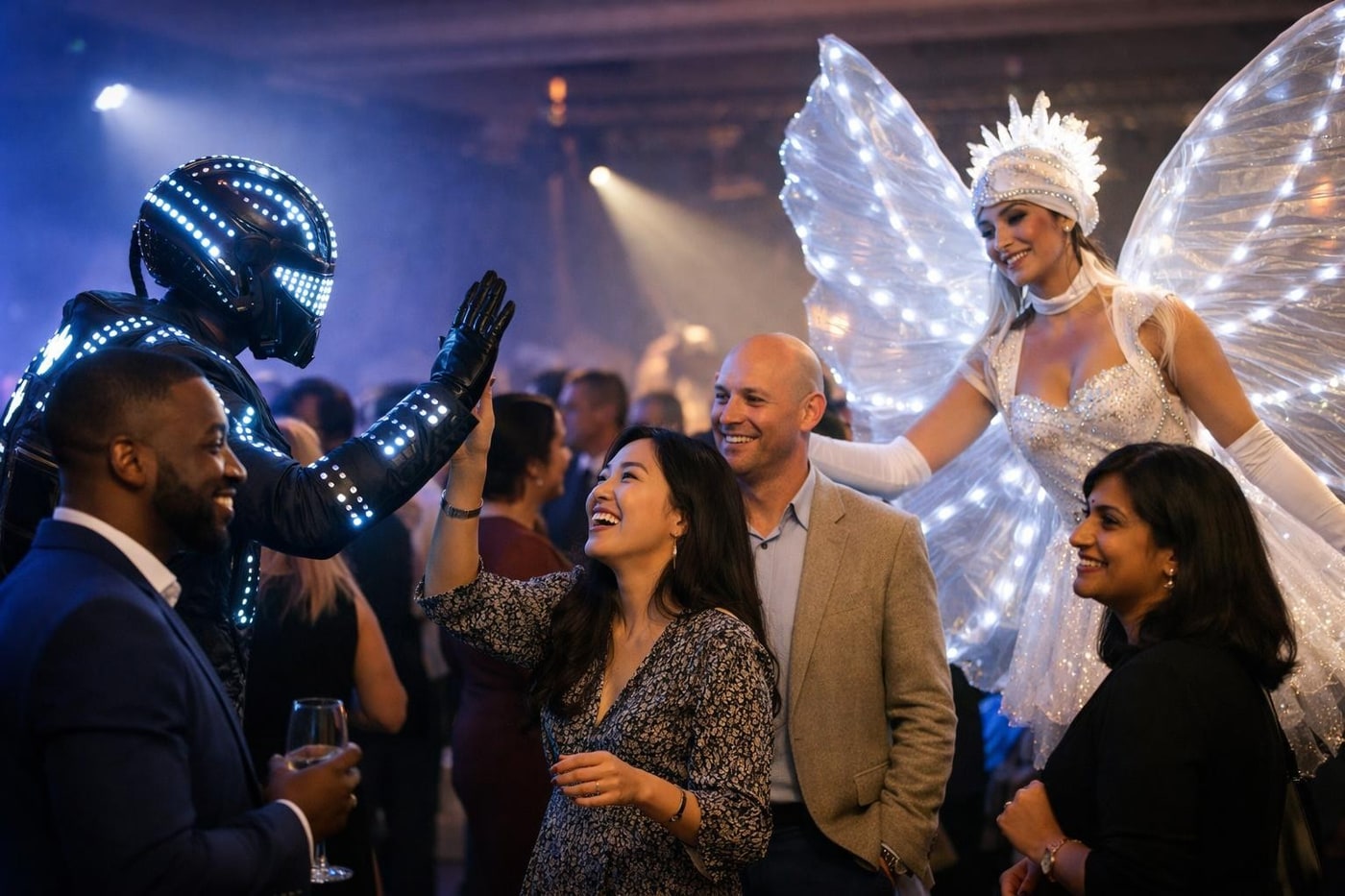
This can include moving through the crowd, interacting with guests and blending performance with participation. It creates a more immersive experience. Guests feel involved rather than watching from a distance.
Managing energy throughout the activation
Energy management is critical. Too much intensity too early can overwhelm the audience. Too little, and the activation struggles to gain attention.
Live performance allows for control. It can build gradually, increase at key moments and reset when needed. This keeps the activation balanced and ensures that engagement remains consistent throughout the day.
Practical considerations for performance-led activations
While performance is powerful, it must be carefully planned. Consider space requirements, sound levels, safety and timing.
- Performers need room to move
- Sound must be clear but not overwhelming
- The schedule must allow for breaks and resets
These practical elements ensure that the performance remains effective throughout the activation.
Avoiding common mistakes
There are several common issues that can reduce the impact of live performance. Using performance that is too subtle will not capture attention. Choosing performers that do not align with the brand can create confusion.
Failing to integrate performance into the overall activation can make it feel disconnected. Overloading the activation with too many elements can reduce clarity. Each of these can be avoided with the right creative direction.
Why performance-led activations require expertise
Live performance adds complexity. It requires creative direction, choreography, timing and coordination. When done well, it feels effortless. When done poorly, it feels disorganised.
Experience is what ensures that performance enhances the activation rather than complicating it. The right approach brings the concept, performers and brand message together seamlessly.
Final thought
Live performance is not just entertainment. It is one of the most effective ways to capture attention, create engagement and bring a brand to life. In environments where standing out is essential, it provides a clear advantage.
Planning a performance-led brand activation
Events by Knight specialises in designing and delivering performance-led brand activations that capture attention and create meaningful engagement. From concept development to choreography and execution, every element is designed to work in real-world environments.
If you are planning a brand activation and want to create an experience that truly stands out, get in touch to discuss how we can bring your campaign to life.


