
If you are looking at how to increase engagement at brand activations and experiential events, the starting point is simple: footfall alone is not enough. A crowd can look impressive, but real value comes when people interact, participate, remember and share.
Why engagement is the metric that matters most

Many brand activations appear successful on the surface. They attract attention, create noise and bring people into the space. But if those people only watch briefly and move on, the brand has not created a meaningful connection.
True success comes when people:
- Interact
- Participate
- Remember
- Share
This is what turns an activation from a visual display into a powerful marketing tool.
Understanding how people behave in live environments

Before designing engagement, it is important to understand behaviour in public spaces. People are usually moving quickly, distracted and selective about where they stop. They make decisions in seconds.
That means your activation must answer three questions instantly:
- What is happening?
- Why should I care?
- What do I do next?
If any of these are unclear, engagement drops. The most effective activations remove friction completely and make participation feel obvious.
Capturing attention is only the first step
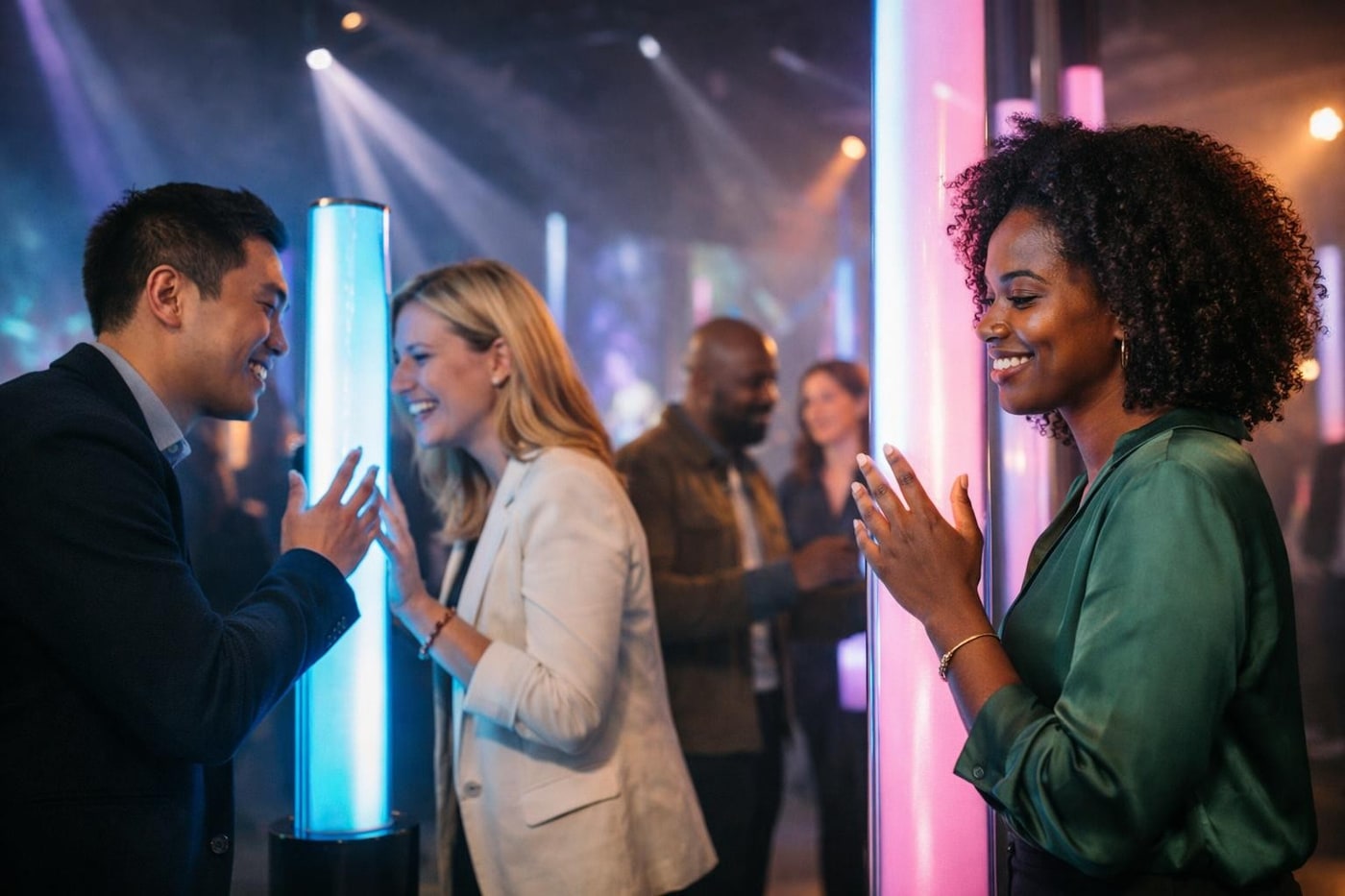
Attention is often mistaken for engagement, but they are not the same. Attention is passive. Engagement is active.
A high-performing activation moves people through a clear journey:
- They notice the activation.
- They are drawn closer.
- They become curious.
- They take part.
Each stage has to be designed. Without this progression, people remain observers.
Creating a clear entry point

One of the simplest ways to increase engagement is to make the starting point obvious. People should not have to ask where they go or what they do.
This can be achieved through:
- Visible activity
- Clear positioning of brand ambassadors
- Natural flow towards the centre of the activation
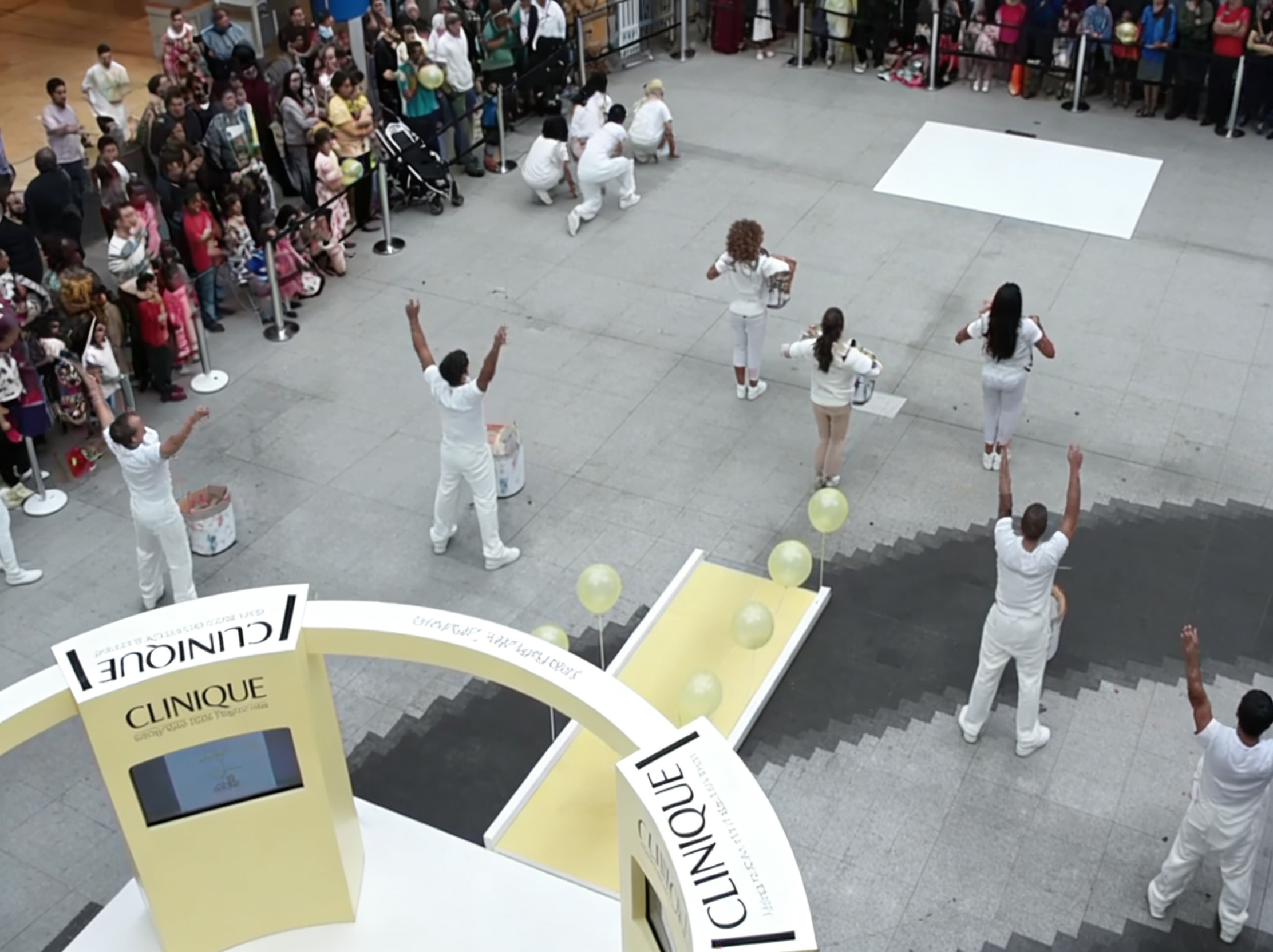
In our Clinique DDML+ roadshow case study, live performance acted as the entry point. People were drawn in by movement and sound, and the transition into brand interaction felt natural.
Using human interaction to drive participation
People engage with people. It is one of the most overlooked aspects of experiential marketing.
Brand ambassadors and performers play a critical role in:
- Welcoming guests
- Encouraging participation
- Guiding the experience
The approach must feel natural, not scripted or forced. A confident, well-briefed team can significantly increase engagement levels by creating comfort and removing hesitation.
Designing experiences that invite involvement
Engagement increases when people feel part of the experience rather than simply watching it. That means moving beyond passive viewing.
Effective approaches include:
- Hands-on product trials
- Interactive installations
- Personalised experiences
The key is simplicity. If the interaction feels complicated, people will not engage. It should feel easy and intuitive.
Creating moments of curiosity
Curiosity is a powerful driver of engagement. When people see something unusual or unexpected, they want to understand it.
This can be achieved through:
- Unique performance elements
- Unexpected visual features
- Movement within the space
In the Clinique activation, the combination of dancers, acrobats and percussion created moments that stood out from the surrounding environment. People were naturally drawn in.
Designing for dwell time
Once people engage, the next objective is to keep them there. Dwell time is a key indicator of success because the longer people stay, the deeper the interaction.
To increase dwell time:
- Layer the experience
- Introduce multiple points of interaction
- Allow guests to explore
For example, someone may watch a performance, move closer, engage with the brand and receive a product sample. Each step extends their time within the activation.
Creating a natural flow from engagement to brand interaction
Engagement alone is not enough. It must lead to a connection with the brand, and that transition should feel seamless.
For example:
- After watching a performance, guests are guided towards product interaction
- After engaging with a brand ambassador, they are invited to try a product
- After participating, they receive something tangible
This flow ensures that engagement translates into value.
Designing for shareability
Engagement does not end at the activation. It continues online.
People are more likely to share experiences that are:
- Visually interesting
- Energetic
- Unique
To encourage this, create visually strong moments, make sure lighting and design support content capture, and allow space for people to film and photograph. In the Clinique campaign, the energy and movement of the activation naturally led to user-generated content and extended the reach of the campaign significantly.
Using energy to maintain engagement throughout the day
Energy levels fluctuate. An activation that starts strong can lose momentum if it is not managed properly.
To maintain engagement:
- Introduce performance at intervals
- Reset energy when needed
- Vary the pace of the experience
This keeps the activation feeling alive and prevents it from becoming static.
Avoiding common engagement mistakes
There are several issues that reduce engagement.
- A lack of clarity is one. If people do not understand what to do, they will not participate.
- Overcomplication is another. Too many elements can confuse rather than engage.
- Being too passive is also a problem. Without a strong draw, people will walk past.
- Failing to connect engagement to the brand weakens the overall impact.
Each of these can be avoided with a clear strategy.
Measuring engagement effectively
To understand the success of an activation, you need to look beyond footfall. The most useful indicators include:
- Number of interactions
- Dwell time
- Product trials
- Conversations
- Social shares
These metrics give a clearer picture of how the activation is performing.
Why expertise matters in experiential engagement
Designing engagement is not straightforward. It requires an understanding of human behaviour, creative thinking and operational delivery.
That is what ensures an activation does not just attract attention, but converts it into meaningful interaction.
Final thought
Engagement is what gives a brand activation its value. Without it, even the most visually impressive campaign will fall short. When designed properly, engagement transforms a moment into a connection and turns attention into impact.
Events by Knight specialises in creating experiential campaigns that not only capture attention but drive real engagement. From concept through to execution, every detail is designed to ensure your audience does more than just watch. They take part.
If you are planning a brand activation, product launch or experiential campaign, get in touch to discuss how we can help you create an experience that truly connects.


