
Moving beyond visibility to experiences people stop, watch and share

Every brand wants attention, but attention alone is no longer enough. In busy environments, particularly high-footfall locations, brands are competing with other campaigns, retail distractions and constant digital noise. The result is that many activations are seen, but not truly experienced.
The difference between a standard activation and a high-impact brand activation is straightforward: one is placed in a space, the other is designed to interrupt it.
What defines a high-impact brand activation
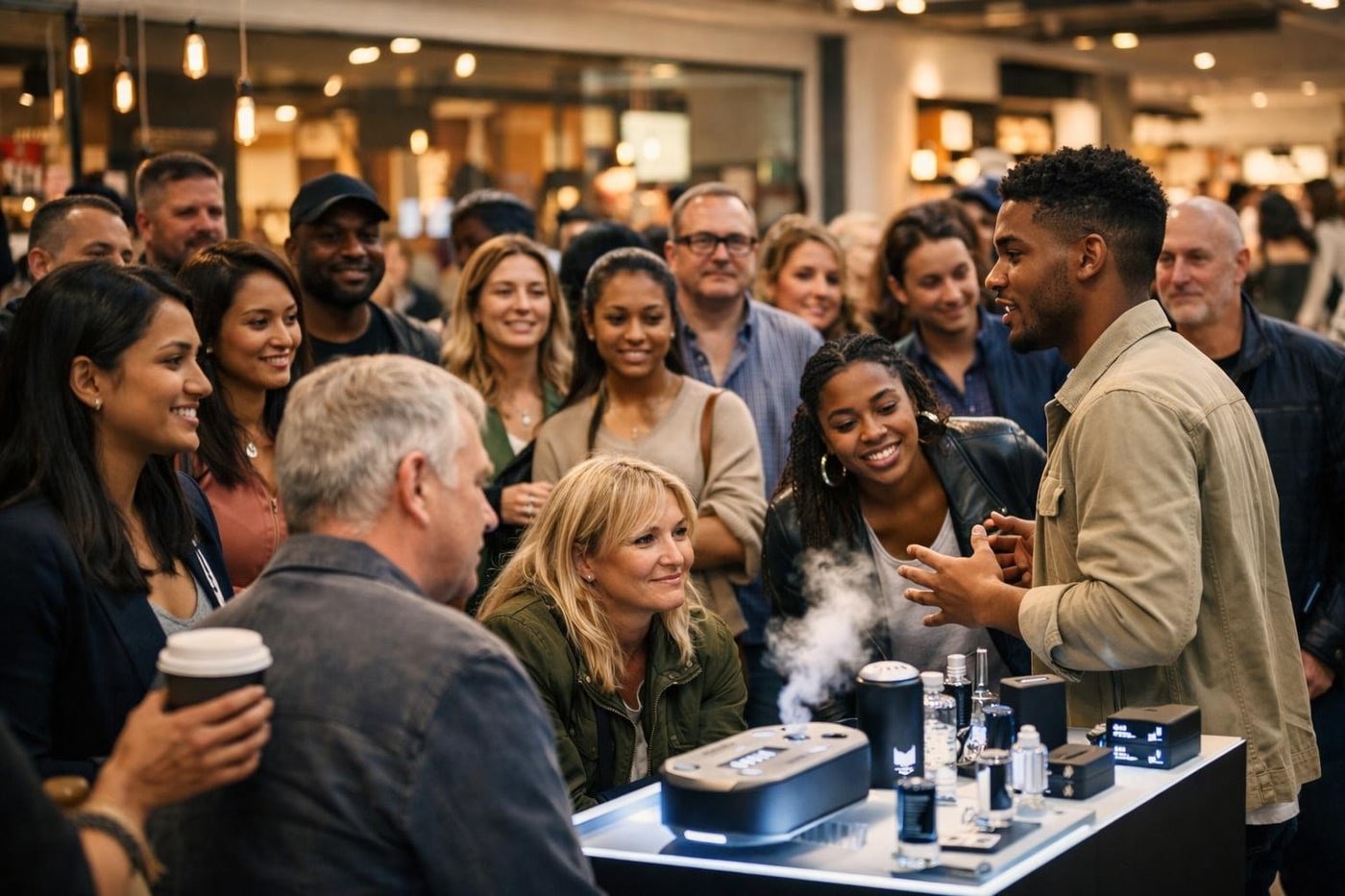
A successful activation needs to do three things immediately:
- Stop people
- Hold attention
- Create a reason to engage
If it fails at any of these stages, the opportunity is lost. For example, the Clinique DDML+ roadshow was not just about being present across multiple UK locations. It was designed to create energy, movement, curiosity and moments worth sharing.
Start with attention, not messaging

Many activations begin with brand messaging, product messaging or campaign messaging. But if you do not capture attention first, none of that matters. In a high-footfall setting, you have only seconds to make an impression.
The activation must immediately:
- Stand out visually
- Create movement
- Signal something different
For Clinique, that was achieved through a performance-led format rather than a static display.
Use performance to create instant impact
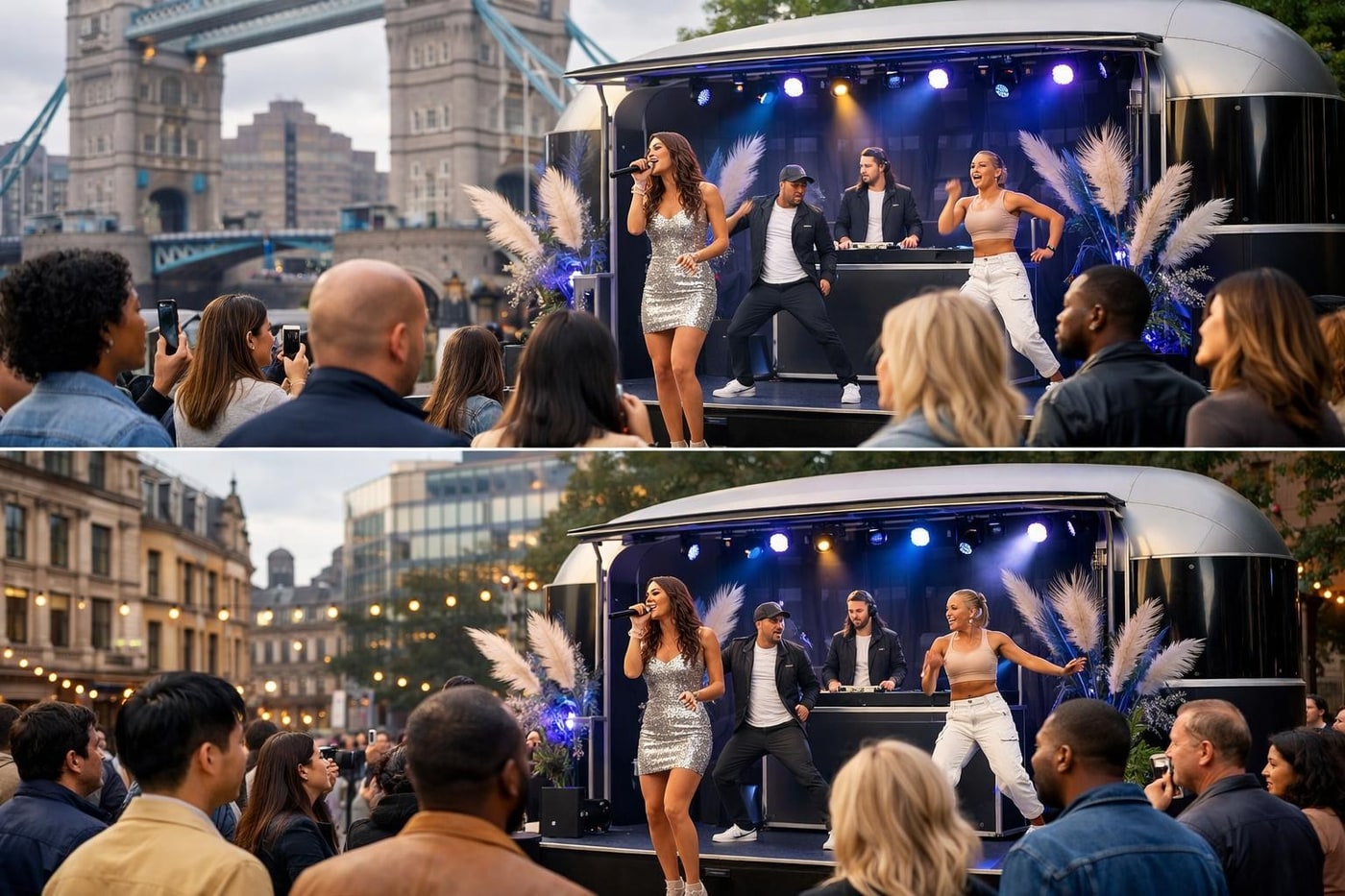
Live performance is one of the most effective tools in brand activation. It naturally draws crowds, creates energy and encourages people to stop.
In the Clinique activation, this included:
- Street dancers
- Breakdancers
- Acrobats
- Live percussion
Together, these elements created visual impact, movement and sound that cut through the environment.
Design for crowd formation
A key metric in any activation is dwell time, but before that comes crowd formation. People are drawn to movement, sound and groups of people. A crowd attracts a crowd.
This is why performance-led activations work so well. They create:
- A focal point
- A natural gathering space
Once the crowd forms, engagement begins.
Create a natural transition into brand interaction

Capturing attention is only the first step. The next challenge is converting attention into engagement, and that has to feel natural. Forced interactions rarely work.
At Clinique, the performance created the initial engagement. From there, guests were drawn into product interaction, sampling and brand messaging. The key is flow: watching, then engaging, then experiencing, without friction.
Align creative with brand identity
One of the biggest mistakes in brand activations is disconnect. The experience may be exciting, but if it does not reflect the brand, it will feel hollow.
For Clinique, the activation needed to communicate:
- Energy
- Innovation
- Youthful appeal
Every element was aligned, including the performance style, music, movement and visual presentation, so the activation felt authentic.
Design for shareability
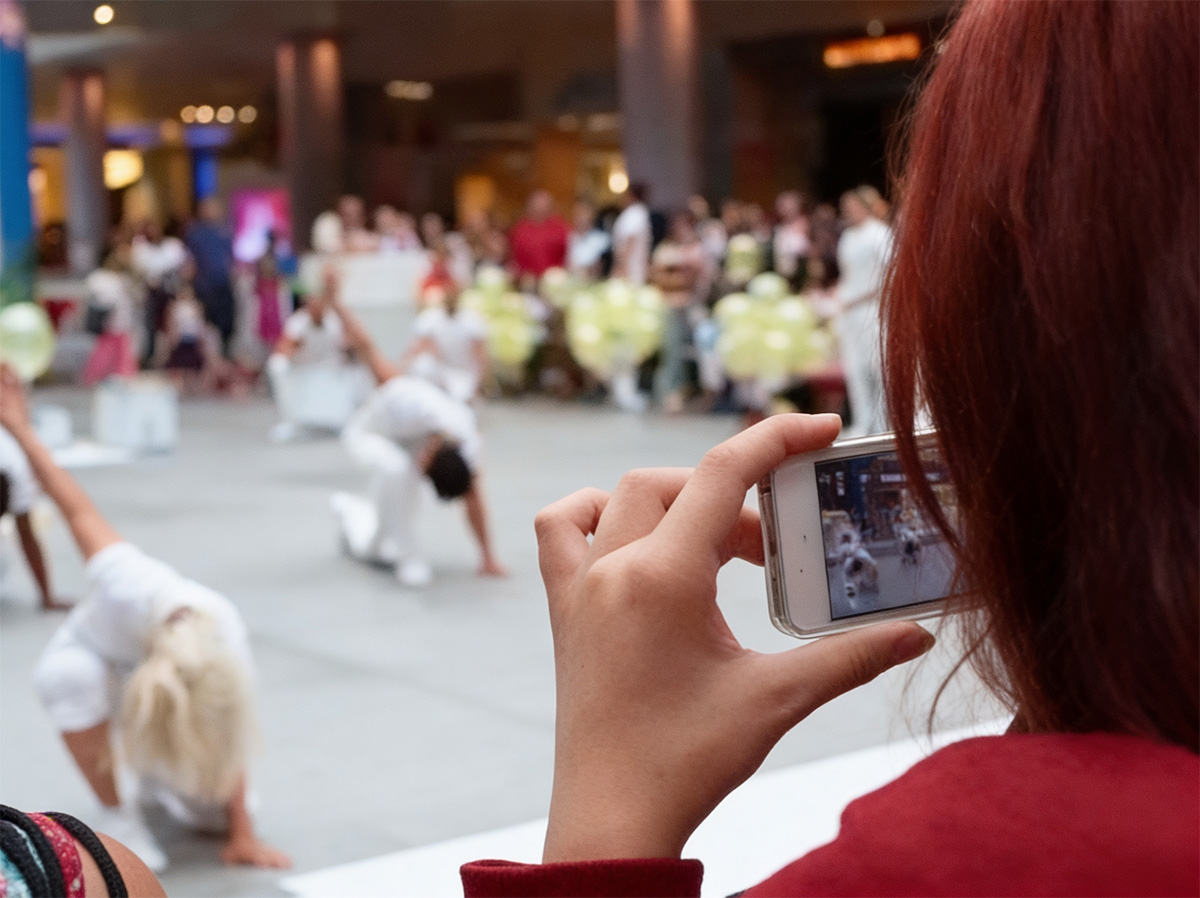
Modern activations extend beyond the physical space. They live online too, which means the experience must be visually engaging, dynamic and worth sharing.
In the Clinique campaign, performances attracted attention, moments were captured on phones and content was shared organically. That extended the campaign reach well beyond the live audience.
Deliver consistency across multiple locations
Roadshows add another layer of complexity. You are not delivering one event; you are delivering multiple experiences. Consistency becomes critical.
That includes:
- Performance quality
- Timing
- Visual identity
- Brand messaging
Each location must feel the same. That consistency is what builds campaign strength.
Execution is what defines success
Even the strongest concept will fail without delivery. Brand activations require tight timing, clear direction and strong team coordination.
In live environments, there is no reset. Everything has to work in real time.
Why experiential expertise matters
Brand activations sit at the intersection of events, marketing and performance. They require creative direction, strategic thinking and operational delivery.
That combination is what separates a campaign that is seen from one that is experienced.
Final thought
A successful activation is not about being present. It is about being impossible to ignore. When designed properly, it creates energy, engagement and lasting impact.
For corporate teams planning a brand activation, product launch or experiential campaign, the priority should always be the same: design for attention, then turn that attention into meaningful interaction.


