
Footfall Does Not Equal Revenue
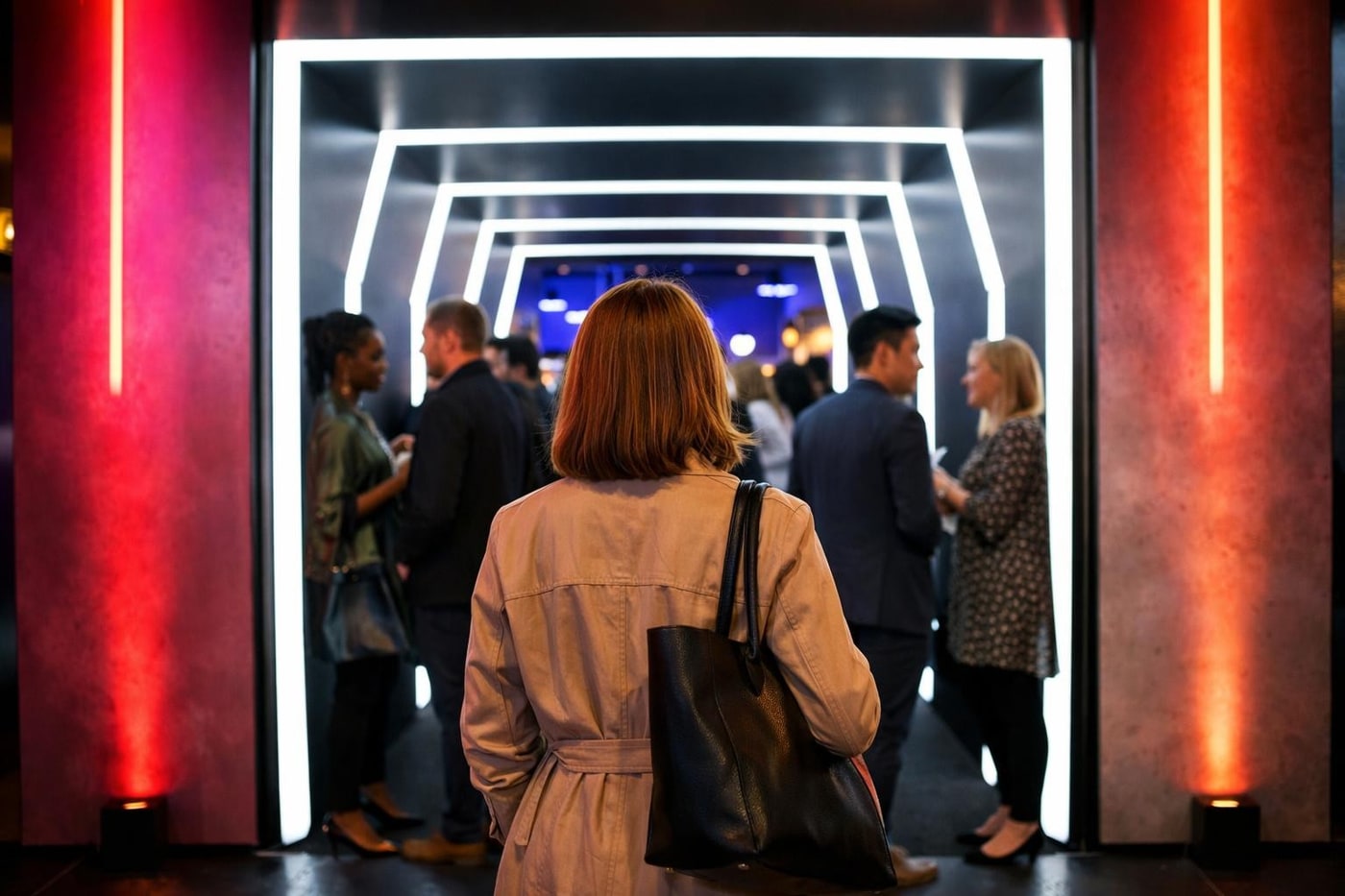
For many brands, retail success is still measured by how many people walk past or through a space. But footfall alone does not generate sales.
People browse without engaging. They walk past without stopping. They enter without converting. The real challenge is not visibility. It is behaviour.
How do you make someone stop, step in and stay? And more importantly, how do you turn that engagement into action?
This is where How Experiential Retail Activations Turn Footfall Into Sales becomes more than a marketing idea. It is a practical shift in how retail spaces are designed, produced and experienced.
The Shift From Retail to Experience

Retail is no longer about presenting products. It is about creating environments that people want to engage with.
Consumers are now conditioned by social media, digital interaction and on-demand content. They expect stimulation. They expect interaction. If your space does not provide that, it is ignored.
Experiential retail replaces passive browsing with active participation, giving people a reason to stay, interact and remember the brand.
Stopping People in Their Tracks
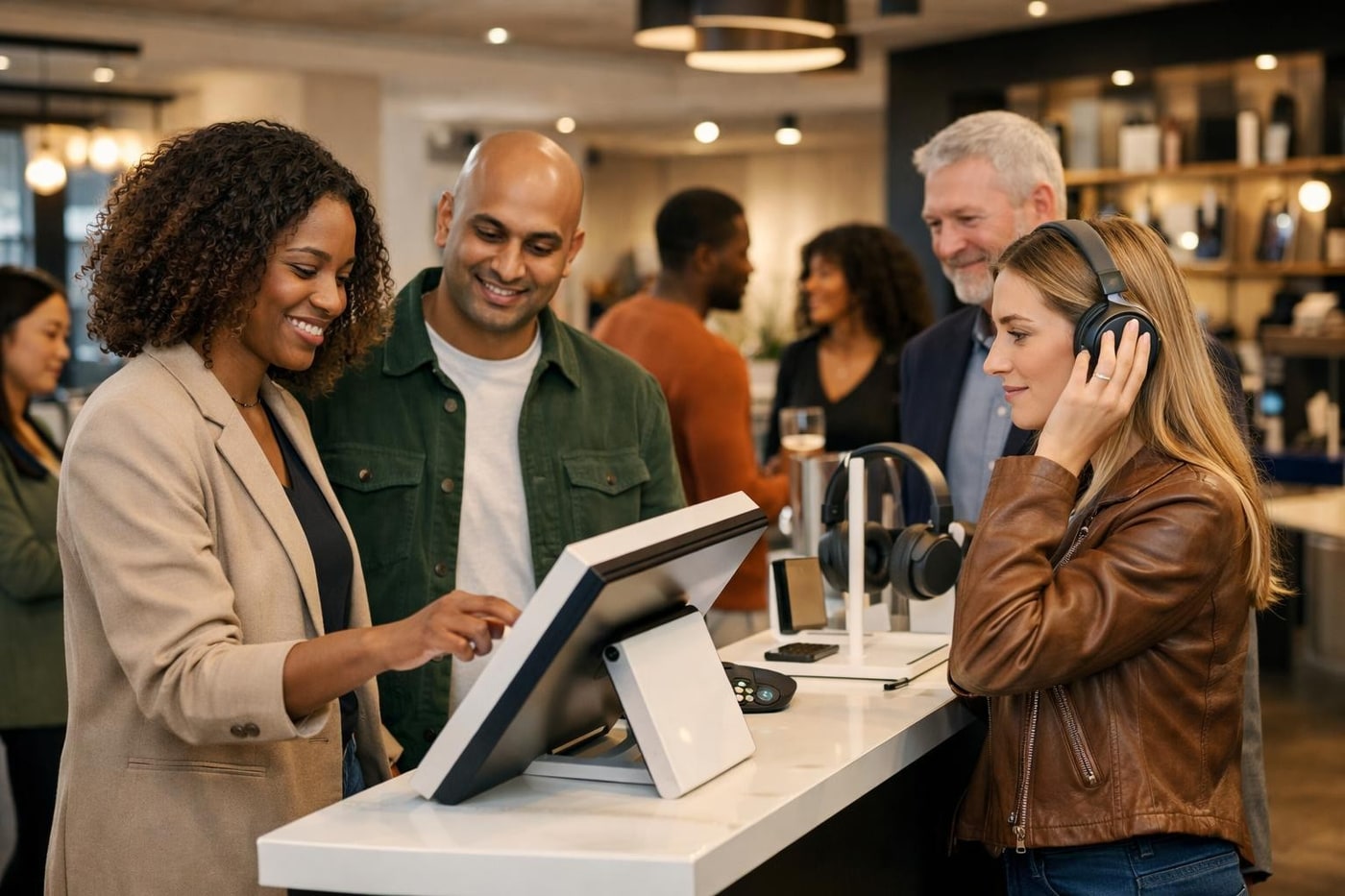
Attention is the first barrier. In a high-traffic environment, you have seconds to capture it.
Experiential activations use visual and sensory cues to interrupt routine behaviour and create curiosity. Common tools include:
- Lighting contrast
- Bold visual design
- Movement
- Sound
These elements help a space stand out instantly. Curiosity is what drives entry, and entry is the first step towards conversion.
Designing for Entry
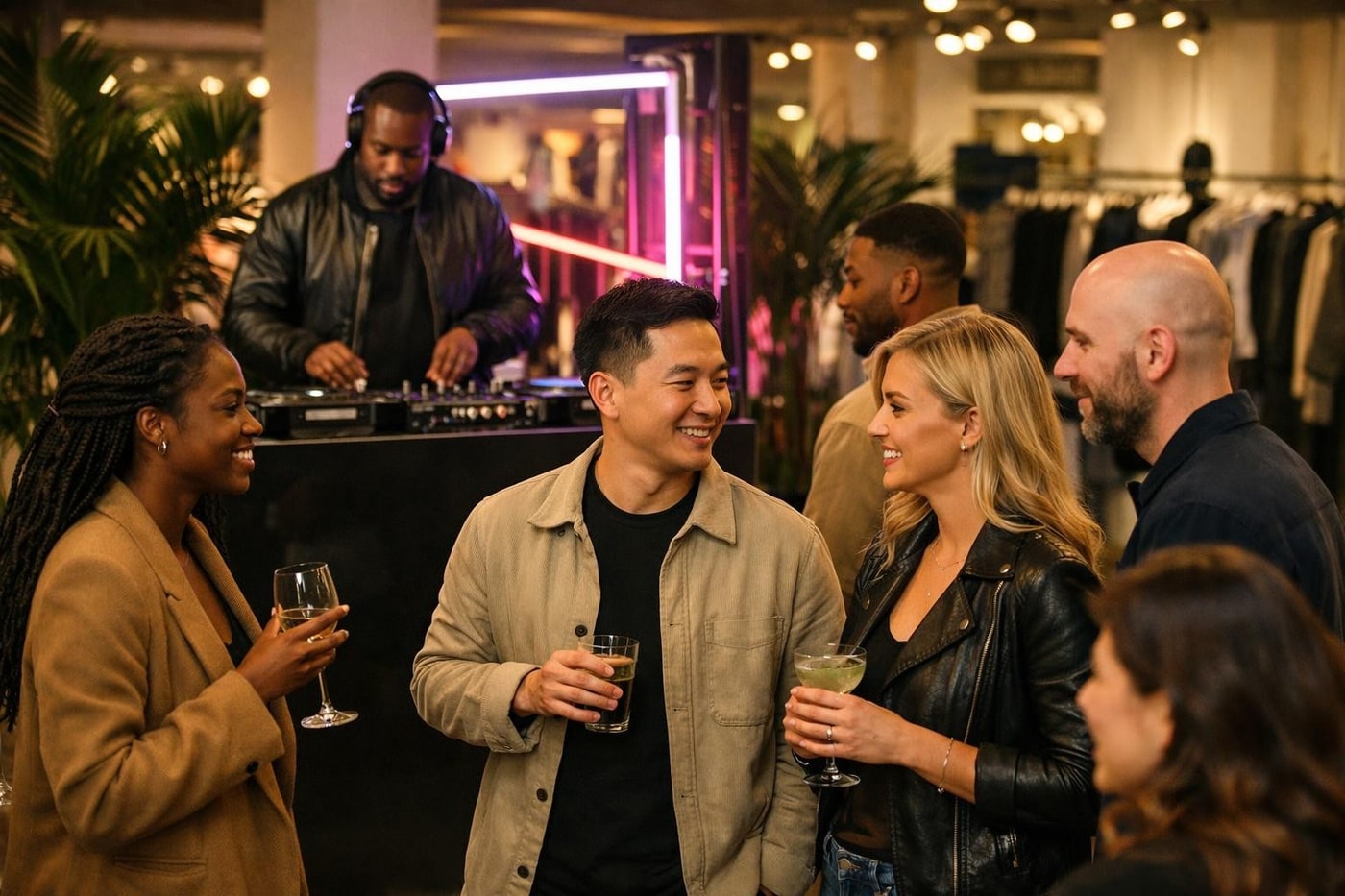
Once someone pauses, the next challenge is getting them inside. This requires a space that feels open, clear and inviting.
Open layouts, clear entry points and welcoming design all reduce hesitation. If a space feels closed or static, people may keep moving. Experiential retail removes friction and replaces it with intrigue.
Good design should make the decision to enter feel effortless.
Keeping People Engaged
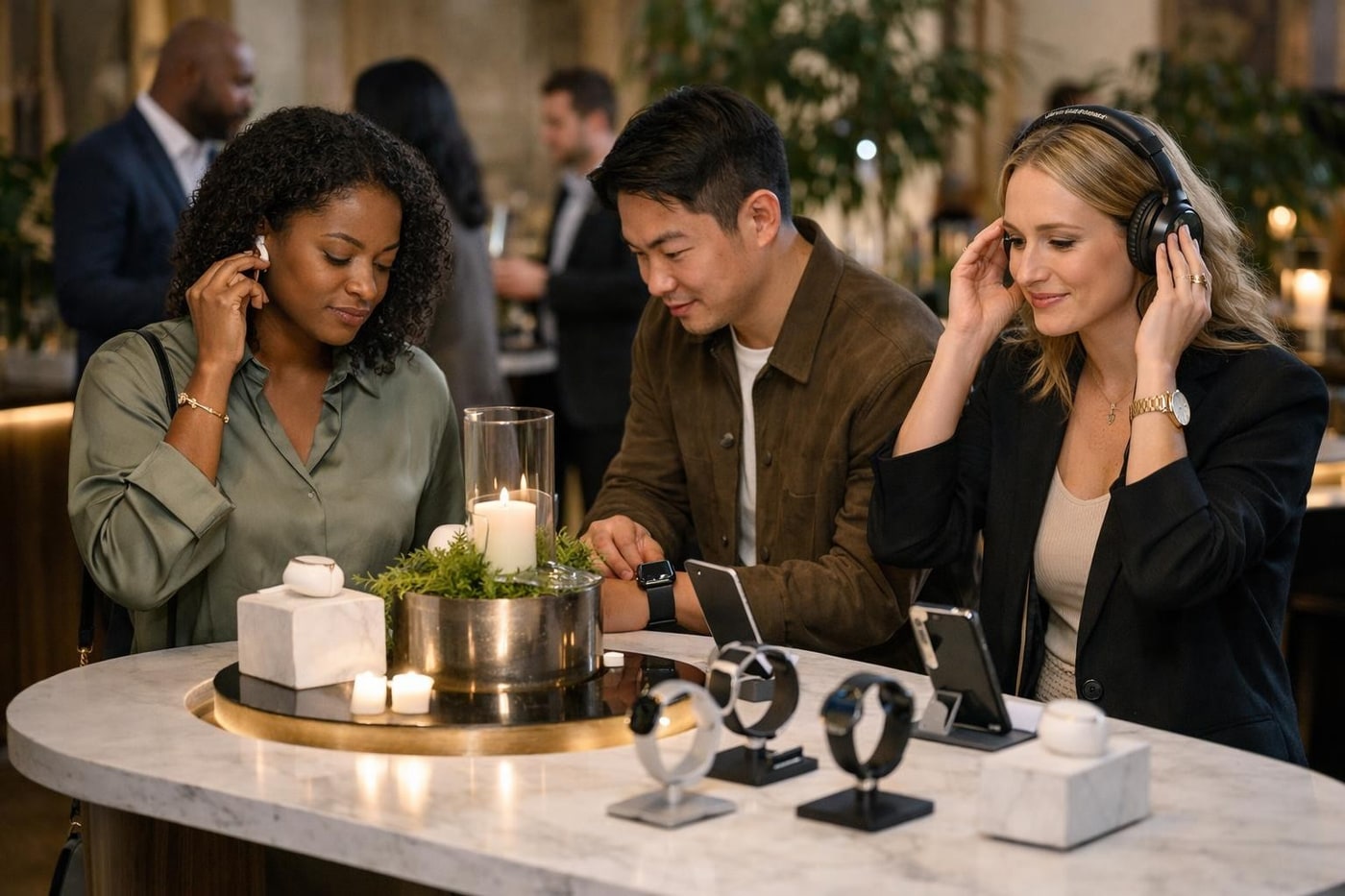
Dwell time is directly linked to conversion. The longer someone stays, the more likely they are to engage with products and staff.
Engagement is created through:
- Interactive touchpoints
- Clear flow
- Multiple points of interest
- Live energy
A static environment loses attention quickly. An active one holds it by giving visitors something to do, see or experience at every stage of the journey.
Energy Drives Behaviour
Energy is one of the most overlooked elements in retail. Music, atmosphere and movement influence how people feel, and how they behave.
Live DJs, performers and ambient sound create momentum within the space. This transforms the environment from quiet to social, and social environments encourage people to stay.
When the atmosphere feels alive, the brand feels more relevant and memorable.
Interaction Is the Turning Point
The moment someone interacts, everything changes. They move from observer to participant.
This creates connection, memory and engagement. Interaction can include:
- Product trials
- Customisation
- Installations
- Live moments
Once someone is engaged, conversion becomes far more likely because the brand has already given them a personal reason to care.
Seamless Product Integration
The most effective activations integrate product into the experience, not as a separate display but as part of the journey.
This allows customers to discover naturally and engage without pressure. It also means the product benefits from the atmosphere, rather than competing with it.
When the experience and the product work together, the retail space becomes more persuasive and more commercially effective.
Case Study Insight: Swatch Style Activation
Swatch-style activations demonstrate how experiential retail can transform behaviour. Guests are drawn in through bold design. They stay because of energy. They engage through interaction. And they convert because the product is part of the experience.
This approach shows why retail activations are most effective when they are built around behaviour, not just display.
Why Production Matters
Execution defines perception. High-quality production ensures consistency, flow and a premium feel.
Poor execution breaks engagement. If the build feels unfinished, the experience feels less credible. That can undo the impact of strong creative ideas very quickly.
For brands investing in retail activations, production quality is not a finishing touch. It is central to the outcome.
How Events by Knight Approaches Retail Activations
We design retail experiences that perform. Under the creative direction of Kwame Knight, we focus on behaviour, energy and engagement to create environments that convert.
That means thinking beyond footfall and designing for dwell time, interaction and brand memory. For brands planning a wider experiential programme, our case study on a Clinique offers a useful example of how live energy and production value can shape audience response.
From Visibility to Conversion
Footfall matters, but only when it leads somewhere. Experiential retail activations give brands a better way to turn attention into action by shaping what people feel, do and remember.
When you create an environment that stops people, welcomes them in and keeps them engaged, sales are no longer left to chance.


