
Why Most Corporate Events Are Forgotten
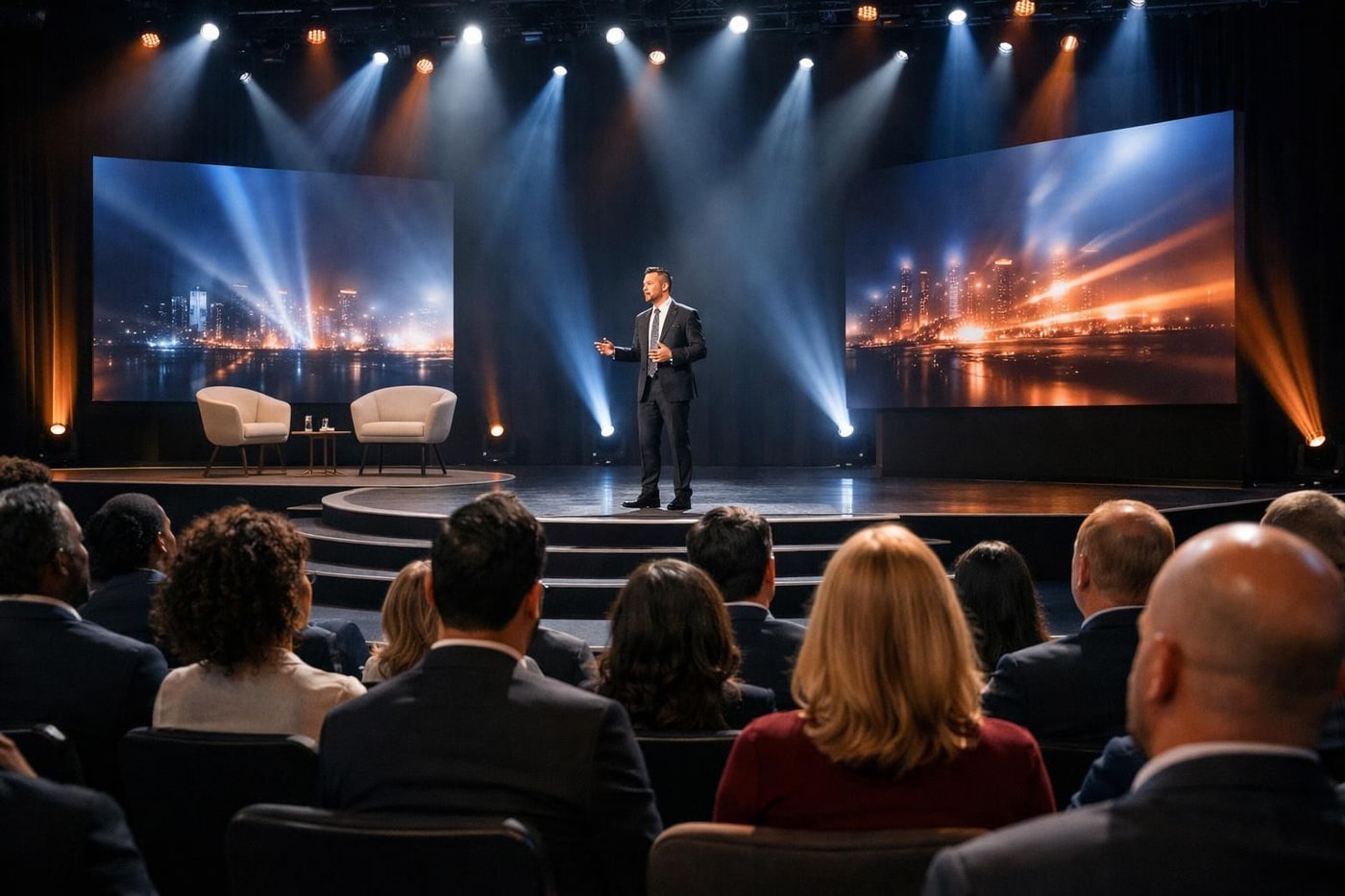
Many corporate events are well organised. They run smoothly, the production is polished and the schedule is delivered. Yet within days, they fade from memory.
This is not because they were poorly executed. It is because they lacked a defining moment. People do not remember entire events. They remember moments.
If your event does not contain a moment that stands out, it is unlikely to leave a lasting impression.
What Makes a Moment Memorable

A memorable moment is not accidental. It is designed. It captures attention, creates emotion and leaves an impression. To achieve that, it needs to combine timing, emotion, relevance and impact.
- Timing
- Emotion
- Relevance
- Impact
When these elements come together, the result is something people talk about, share and remember.
Start With the Outcome, Not the Format

Many events begin with format: a dinner, a party or a conference. Memorable moments begin with outcome.
Ask yourself what you want people to feel, what you want them to remember and what you want them to say afterwards. Once that is clear, the experience can be designed around it.
In the Unilever activation, the outcome was clear: to honour a departing CEO in a meaningful and impactful way. Everything was built around that objective.
You can see how this worked in our Unilever flashmob case study.
The Role of Emotion in Memory
Emotion is what makes a moment stick. When people feel something, the experience becomes more powerful.
This could be:
- Joy
- Surprise
- Appreciation
- Inspiration
Without emotion, even the most visually impressive event can feel flat. In the Unilever example, the moment created genuine appreciation and celebration. That is what made it memorable.
Designing the Build-Up
A strong moment does not happen instantly. It needs a build. The build creates anticipation, prepares the audience and makes the final moment more impactful.
This can be achieved through:
- Subtle cues
- Gradual changes in energy
- Controlled pacing
If the build is missing, the moment can feel sudden and disconnected.
The Power of Surprise
Surprise amplifies memory. When something unexpected happens, people pay attention. They become fully present.
This is why surprise moments are so effective in corporate events. In the Unilever activation, the flashmob format introduced surprise. The audience did not know what was coming, which made the reaction genuine.
Creating a Clear Focal Point
A memorable moment needs focus. Guests need to know where to look and what to engage with. This can be achieved through lighting, sound and positioning.
A clear focal point ensures that the moment is experienced by everyone in the room.
Using Performance to Deliver Impact
Live performance is one of the most effective ways to create memorable moments. It combines movement, music and visual energy.
In the Unilever example, the performance included:
- Choreographed dance
- Live music elements
- A structured progression
This created a dynamic and engaging experience.
Involving People to Deepen the Experience
Participation increases memory. When people are involved, the experience becomes personal.
In the Unilever activation, employees were part of the performance. This created a deeper connection, a sense of ownership and stronger emotional impact. People remember what they are part of.
Creating a Peak Moment
Every memorable experience has a peak. This is the point where energy is highest, emotion is strongest and attention is fully focused.
The entire build should lead to this moment. It needs to be clear, impactful and easy to understand. This is what people will remember.
Ending the Moment Properly
The ending is often overlooked, yet it is critical. A strong ending brings closure, reinforces the message and allows reflection.
Without it, the moment can feel incomplete. The transition back into the event should feel natural and considered.
Integrating the Moment Into the Event
A memorable moment should not feel separate from the event. It should feel like a natural part of the experience.
This means:
- Aligning it with the event purpose
- Positioning it correctly within the schedule
- Ensuring it enhances the overall flow
When it is integrated properly, it elevates the entire event.
Avoiding Common Mistakes
There are several pitfalls to avoid. Trying to do too much can dilute impact. Lack of clarity can confuse the audience. Poor timing can weaken the moment. Forcing emotion can feel uncomfortable.
Each of these can reduce effectiveness.
Why Simplicity Often Works Best
The most powerful moments are often simple. They are clear, focused and easy to understand.
Complex ideas can be difficult to communicate in a live environment. Simplicity ensures that the moment lands.
Why Execution Is Everything
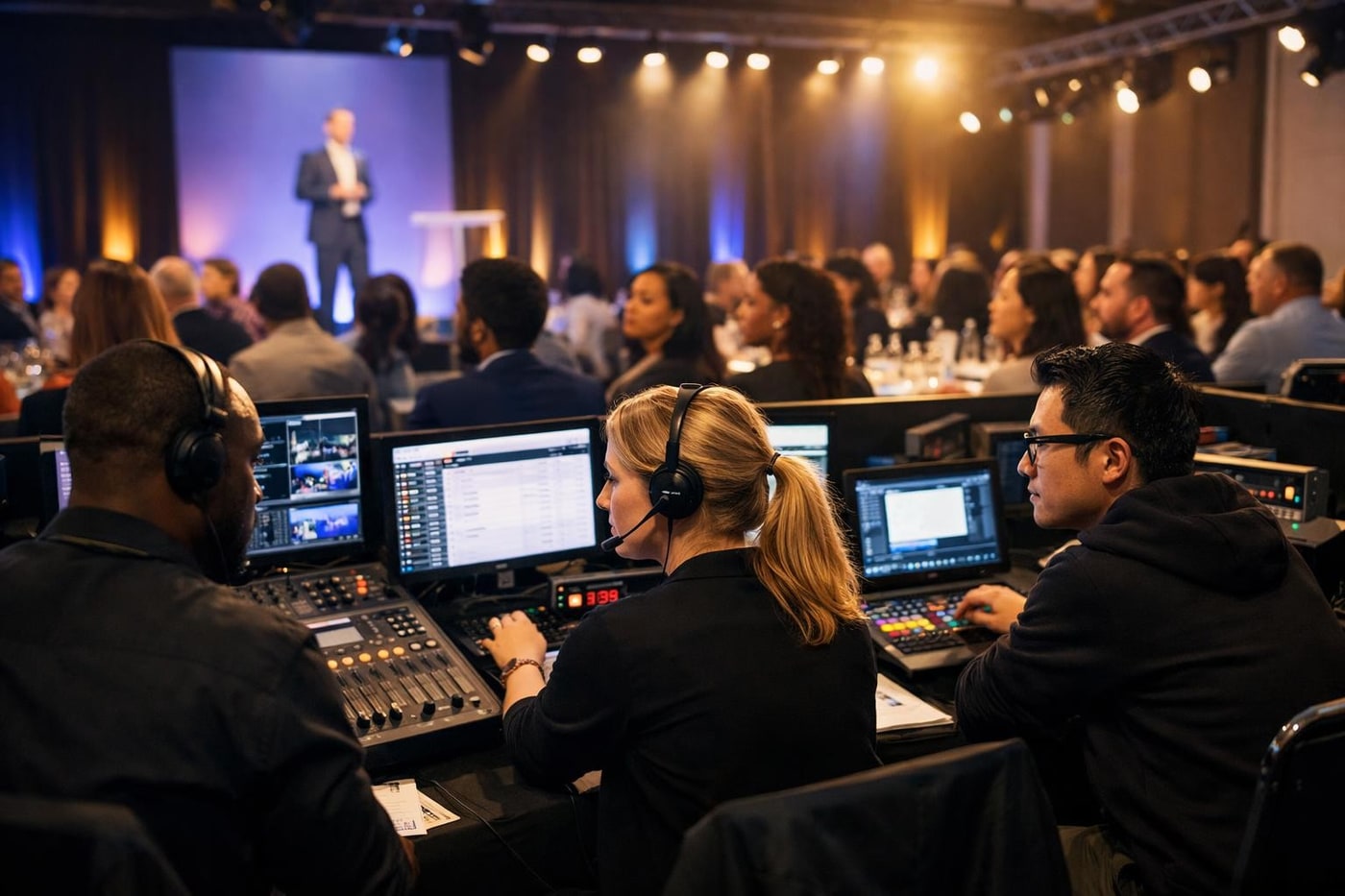
Even the best idea can fail without strong execution. This includes timing, coordination and technical delivery.
Every element needs to work together. That is what ensures the moment feels seamless.
Measuring Success
Success is not just about attendance. It is about reaction, engagement and memory.
- Did people respond?
- Did they feel something?
- Do they still talk about it?
These are the indicators that matter most.
Final Thought
Corporate events are not remembered for their schedules. They are remembered for their moments. When you design a moment with intention, emotion and precision, it becomes something people carry with them long after the event ends.
For corporate event planners and decision-makers, the goal is not simply to fill a programme. It is to create an experience that resonates. With the right creative thinking and execution, even a single moment can define the whole event.


