
Retail Has Become Passive. Customers Have Not.
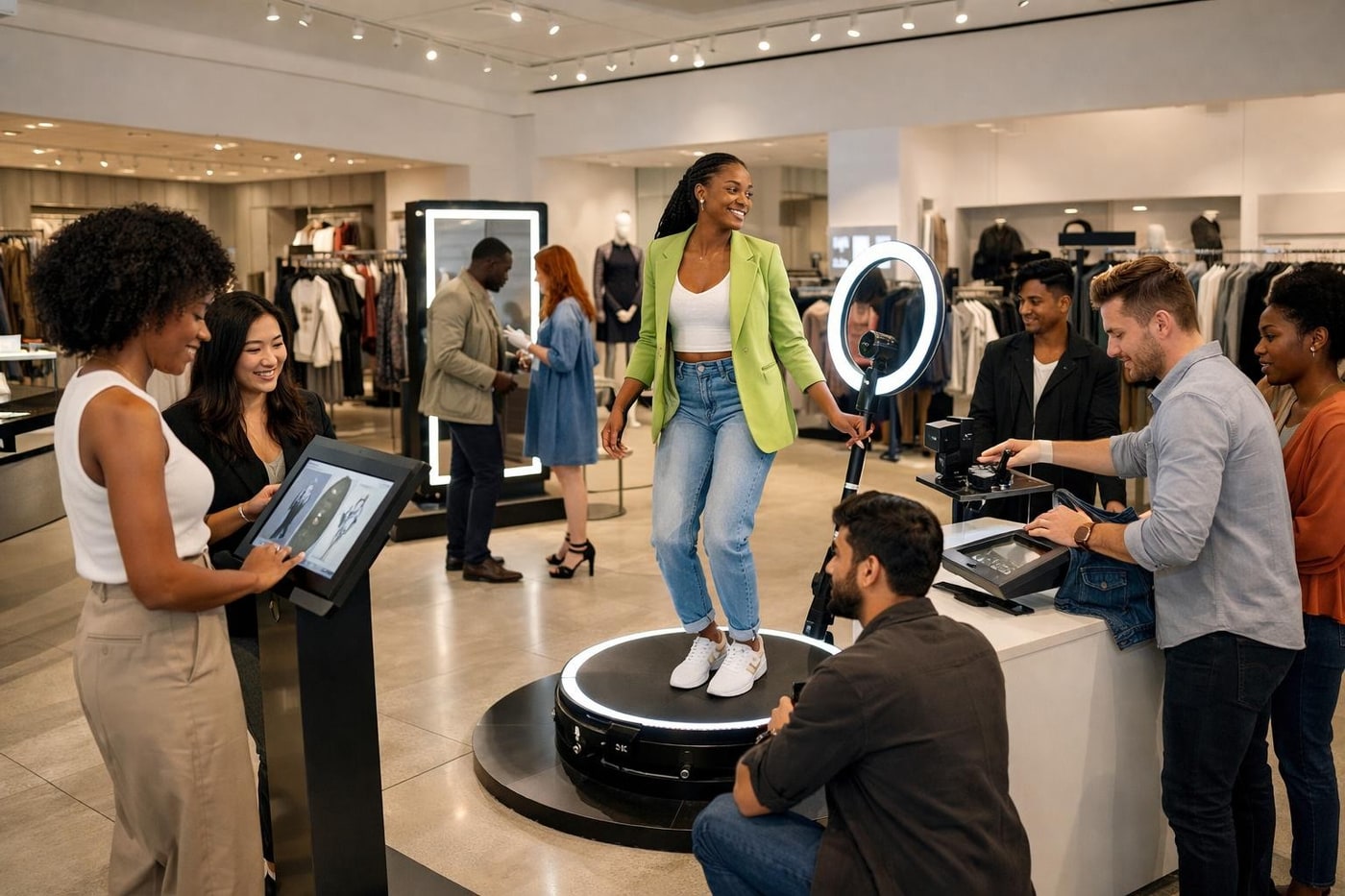
Walk through most retail environments and you will notice the same pattern: beautiful displays, well-lit products and carefully curated spaces, but very little engagement.
Customers browse quickly. They glance. They move on. Not because the product is not appealing, but because the experience does not give them a reason to stay.
Fashion and lifestyle brands face this challenge more than most. They are not just selling products; they are selling identity, expression and culture. That cannot be communicated through static displays alone.
The Expectation of the Modern Consumer
Consumers today expect more from physical spaces. They are used to environments that respond to them instantly. Social media, digital platforms and content-driven experiences have changed behaviour.
People expect:
- Interaction
- Stimulation
- Participation
If a retail environment does not provide this, it is quickly overlooked. This is why interactive retail experiences have become essential.
What Is an Interactive Retail Experience?
An interactive retail experience is designed to engage customers actively rather than passively. It moves beyond traditional display and introduces elements that encourage participation.
This can include:
- Hands-on product interaction
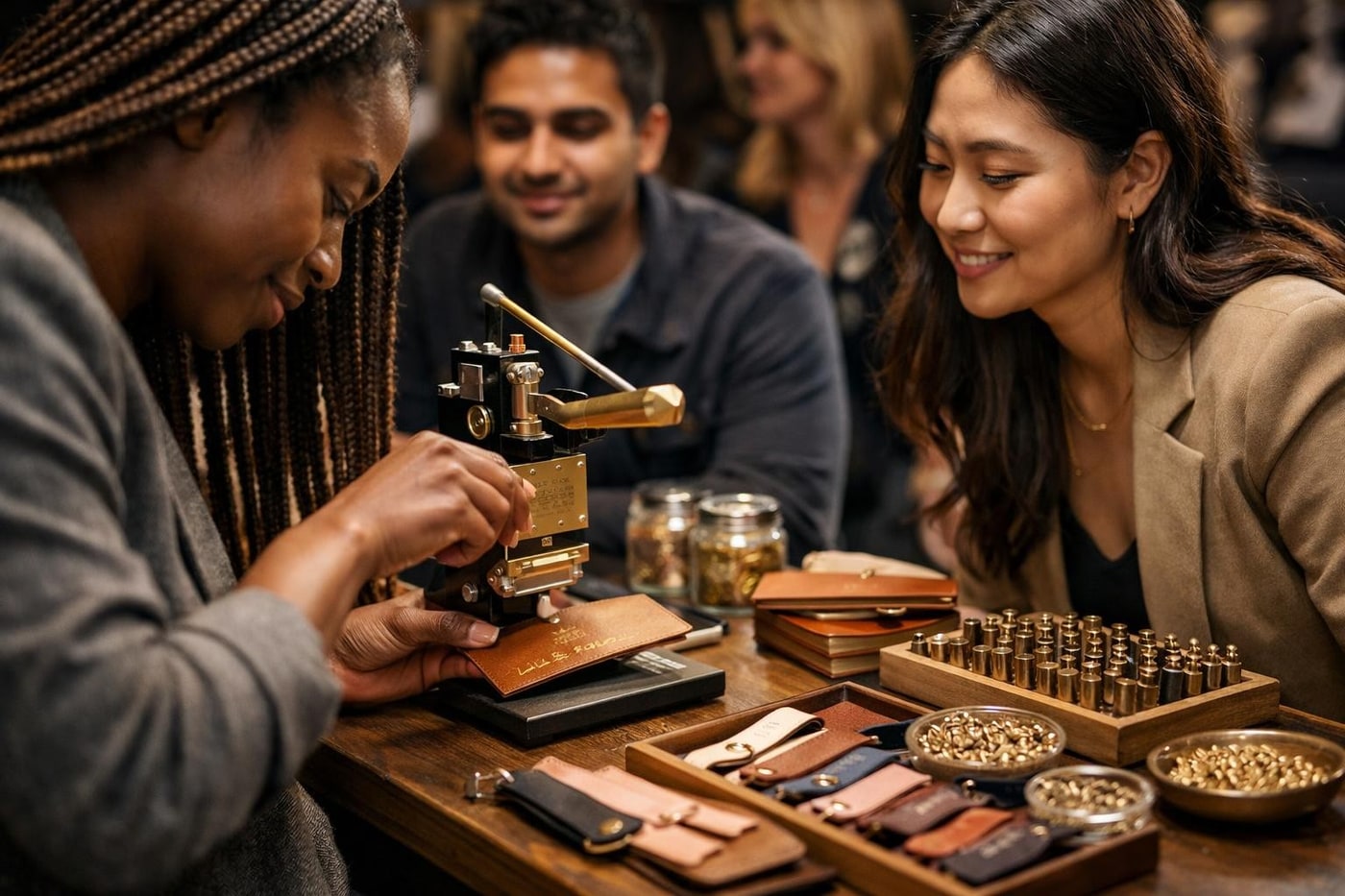
- Customisation stations
- Immersive installations
- Digital touchpoints
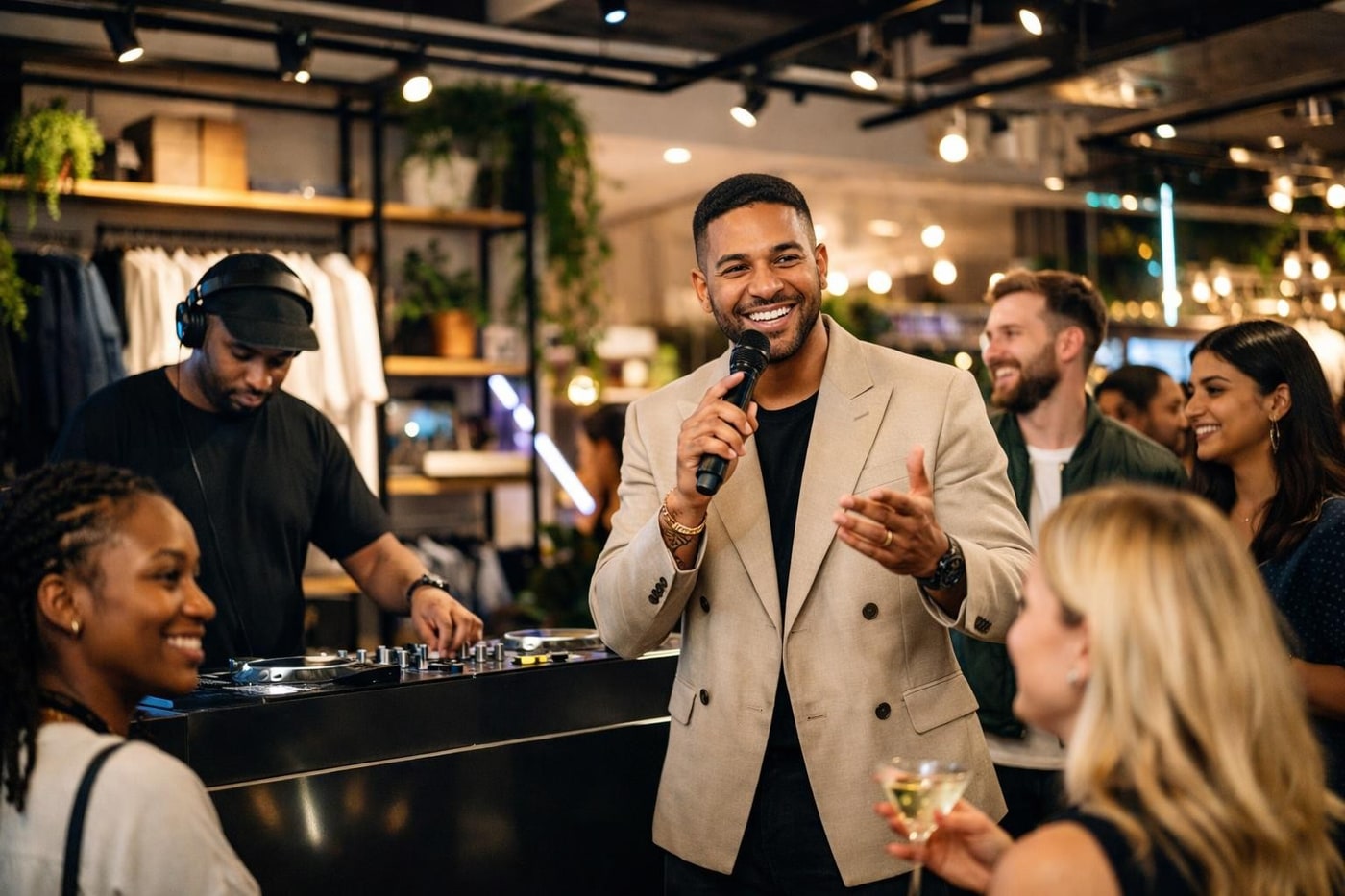
- Live elements such as DJs or performers
The goal is simple: turn customers from observers into participants.
Why Interaction Changes Behaviour
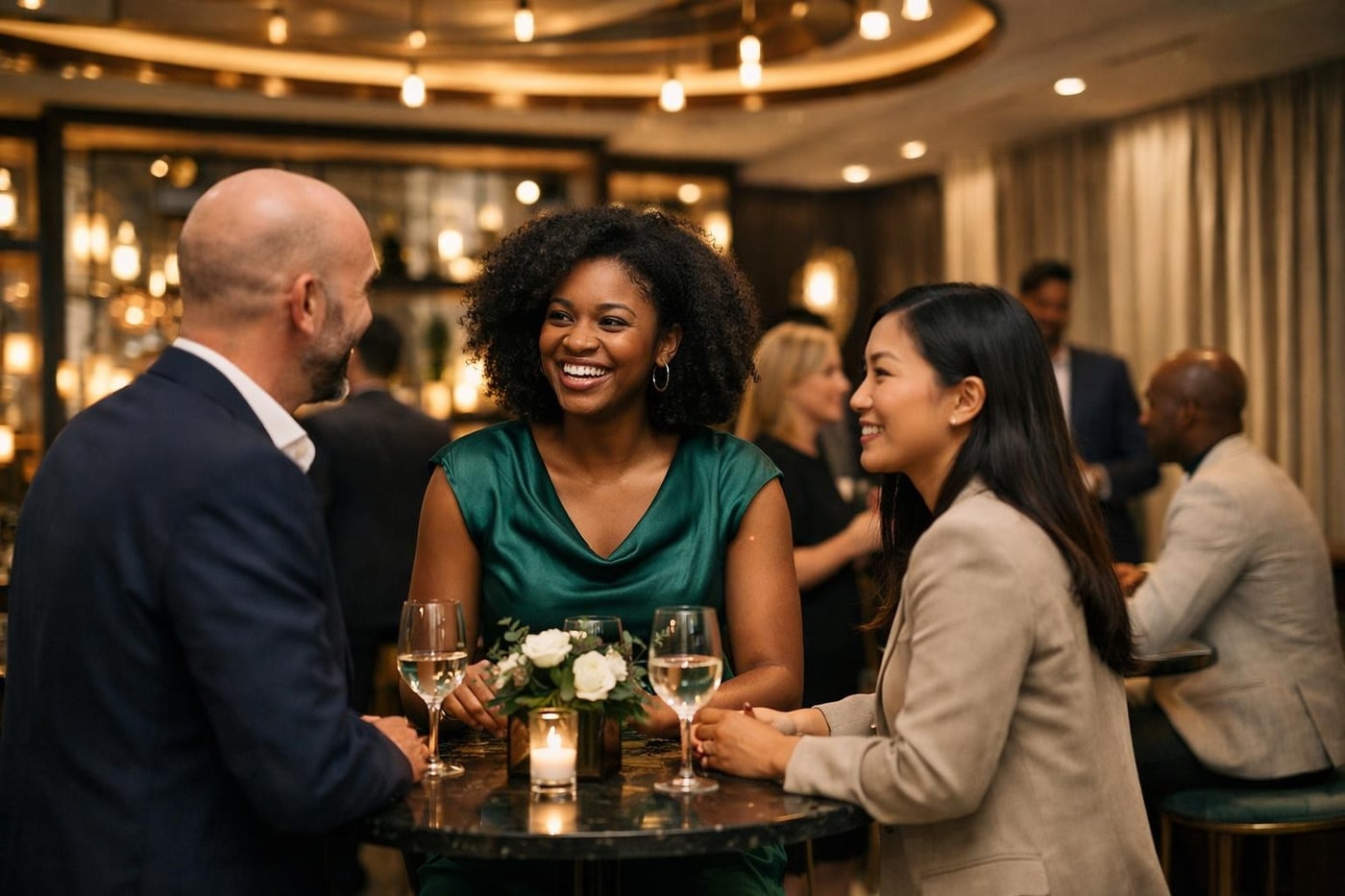
The moment a customer interacts with a space, their behaviour changes. They are no longer just looking. They are engaging.
This shift creates:
- Focus
- Emotional connection
- Memory
- Time spent in the space
All of which directly influence purchasing decisions. Interaction creates investment, and investment leads to action.
The Power of Dwell Time
Dwell time is one of the most important metrics in retail. The longer someone stays in a space, the more likely they are to:
- Explore products
- Engage with the brand
- Make a purchase
Interactive environments naturally increase dwell time. They give customers a reason to stay. A static space gives them a reason to leave.
Designing for Flow and Movement
A successful interactive retail experience is carefully structured. It is not random. Guests should move through the space naturally, encountering moments of engagement along the way.
This requires:
- Clear entry points
- Open and accessible layouts
- Visible interaction zones
- Logical progression
Without flow, even the best concepts fail to engage.
Energy Creates a Social Environment
Energy is what transforms a retail space from quiet to active. It influences how people feel and behave within the environment. Music, lighting and movement all contribute to this.
Fashion and lifestyle brands are increasingly using:
- Live DJs
- Hosts
- Performers
to create a social atmosphere. This encourages people to stay longer and engage more freely.
Interaction Strengthens Brand Connection
Fashion and lifestyle brands rely heavily on emotional connection. Customers are not just buying a product; they are buying how it makes them feel.
Interactive retail strengthens this connection by allowing customers to:
- Experience the brand
- Engage with its personality
- Feel part of its world
This is far more powerful than simply viewing products on display.
From Engagement to Conversion
The ultimate goal of any retail experience is conversion. Interactive environments make this transition more natural because:
- Customers are already engaged
- They have spent time in the space
- They feel connected to the brand
The product becomes part of the experience, not a separate decision.
Why Production Quality Matters
Execution plays a critical role in interactive retail. A well-produced space feels seamless and engaging. A poorly executed one breaks immersion.
Lighting, sound, layout and materials all contribute to how the experience is perceived. For premium brands, this is essential because perception drives value.
Case Study Insight: Swatch Style Activation
Swatch style activations are a strong example of interactive retail done correctly. The environment is designed to feel:
- Playful
- Bold
- Social
- Engaging
Guests are encouraged to interact from the moment they enter. The space feels alive. This creates a natural flow from curiosity to engagement to purchase.
If you want to see how strong production can shape audience response, our Swatch case study is a good example of atmosphere, pacing and finish working together.
Why Fashion and Lifestyle Brands Invest in Interactive Retail
Brands are increasingly shifting towards experiential retail because it delivers measurable results. It increases:
- Footfall
- Dwell time
- Engagement
- Social sharing
More importantly, it changes how customers perceive the brand: from static to dynamic, and from transactional to experiential.
Why Events by Knight
At Events by Knight, we design retail experiences that perform. Under the creative direction of Kwame Knight, we focus on:
- Customer behaviour
- Flow and movement
- Energy and atmosphere
- High-level production
This allows us to create environments that engage, influence and convert.


