
Why Experiential Entertainment Matters
Corporate events have changed. Guests no longer want to simply attend, watch and leave. They want to experience something. They want to feel involved, surprised, entertained and connected.
This shift has made experiential entertainment for corporate events more important than ever.
Rather than simply booking an act to fill a slot in the schedule, experiential entertainment is designed around the guest journey, the event environment and the brand message. It can be interactive, immersive, mobile, theatrical, musical or completely bespoke.
For corporate brands, it offers a powerful way to create events that people remember.
What Is Experiential Entertainment?
Experiential entertainment is entertainment that forms part of a wider guest experience.
Instead of treating entertainment as a separate performance, it becomes integrated into the event design.
This might include:
- Roaming DJs
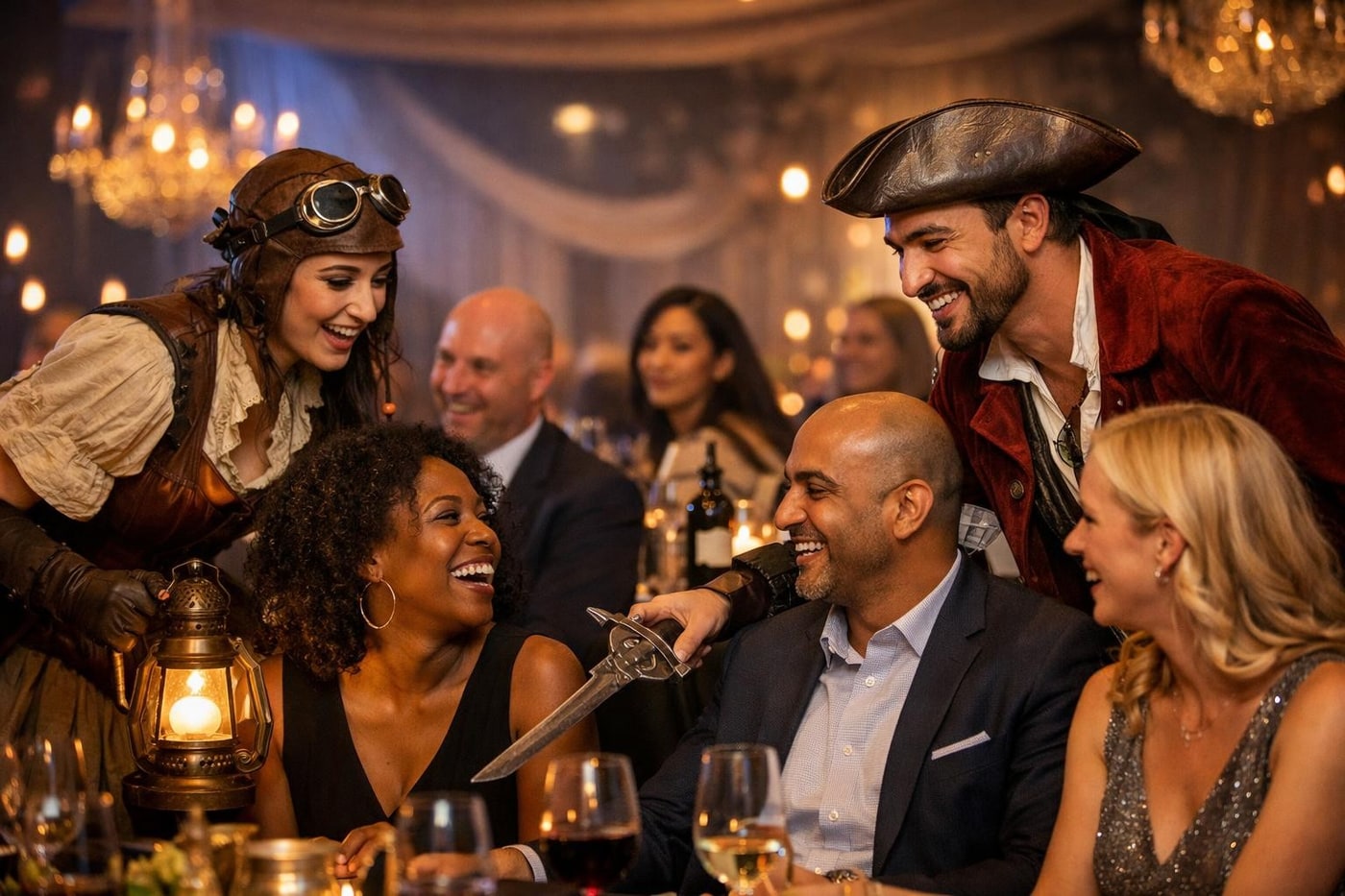
- Immersive characters
- Interactive performers
- Flashmobs
- Live music activations
- Themed environments
- Digital experiences
- Surprise reveals
- Bespoke production concepts
The aim is not just to entertain guests for a few minutes. The aim is to make them feel part of the event.
Experiential entertainment often works best when it is unexpected, participatory and tailored to the brand or audience.
Why Traditional Entertainment Is Not Always Enough
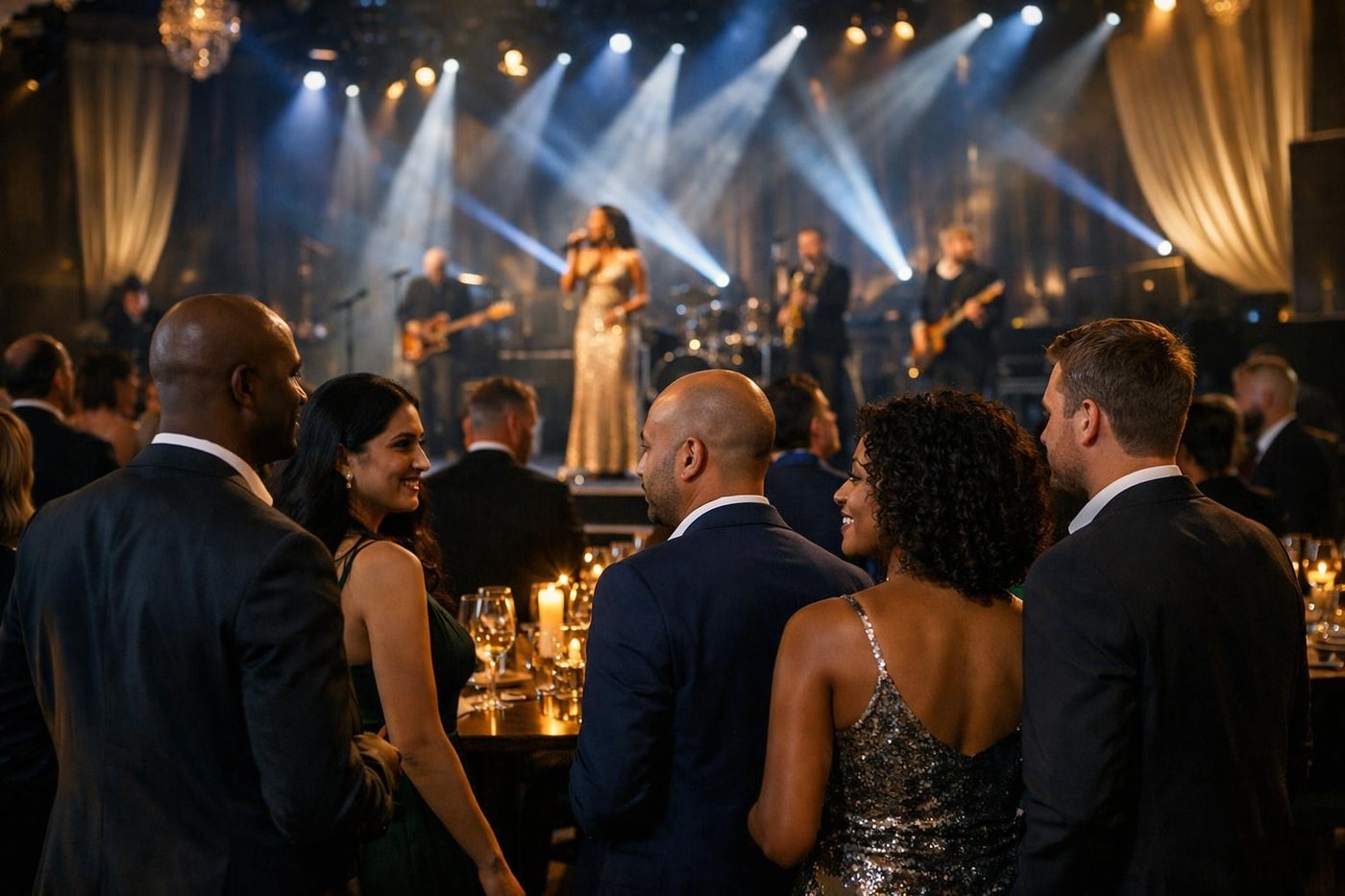
Traditional entertainment still has value. A great band, DJ, speaker or performer can make a huge impact. But at many corporate events, traditional formats can feel too passive.
Guests stand and watch. The act finishes. The event moves on.
Experiential entertainment creates a deeper connection because it brings entertainment into the guest’s space. It can happen around them, involve them directly or change how they move through the event.
This is particularly important for large-scale events, brand activations and corporate celebrations where the goal is to create lasting impact.
Guests Remember Experiences
People may forget the exact details of a venue or schedule, but they remember how an event made them feel.
They remember being surprised by a performer moving through the crowd. They remember a brand activation that felt fun and original. They remember a moment they filmed, shared or talked about afterwards.
Experiential entertainment creates these memory points.
It gives guests something to respond to emotionally. That emotional response is what makes the event stand out.
Bringing the Brand to Life
For corporate events, entertainment can do more than create atmosphere. It can express the brand’s personality.
A brand that wants to feel bold might choose a high-impact roaming music activation. A luxury brand might create an elegant immersive performance. A technology brand might use interactive digital entertainment. A heritage brand might use theatrical storytelling.
When entertainment is designed around the brand, it becomes more meaningful.
This is far stronger than placing a logo on a backdrop and hoping guests make the connection. Experiential entertainment allows people to feel the brand through the event.
Creating Shareable Moments
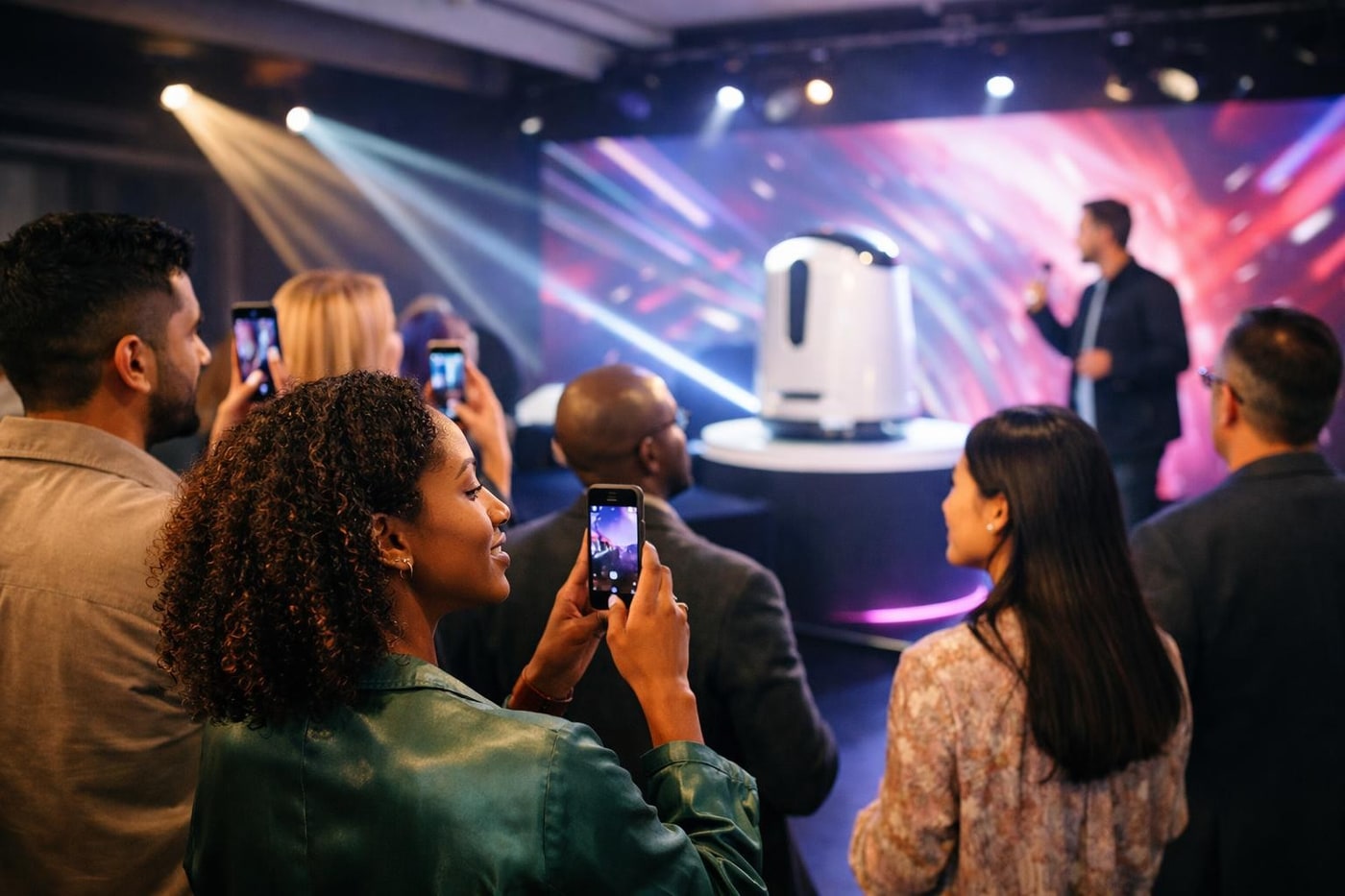
Modern corporate events often need to live beyond the day itself. Photos, videos and social media content can extend the reach of the event and support future marketing.
Experiential entertainment naturally creates shareable moments because it is visual, unexpected and interactive.
A roaming DJ moving through a crowd, a surprise flashmob, an immersive character interaction or a dramatic reveal can all encourage guests to capture the moment.
For influencer events, launches and brand activations, this can be particularly valuable.
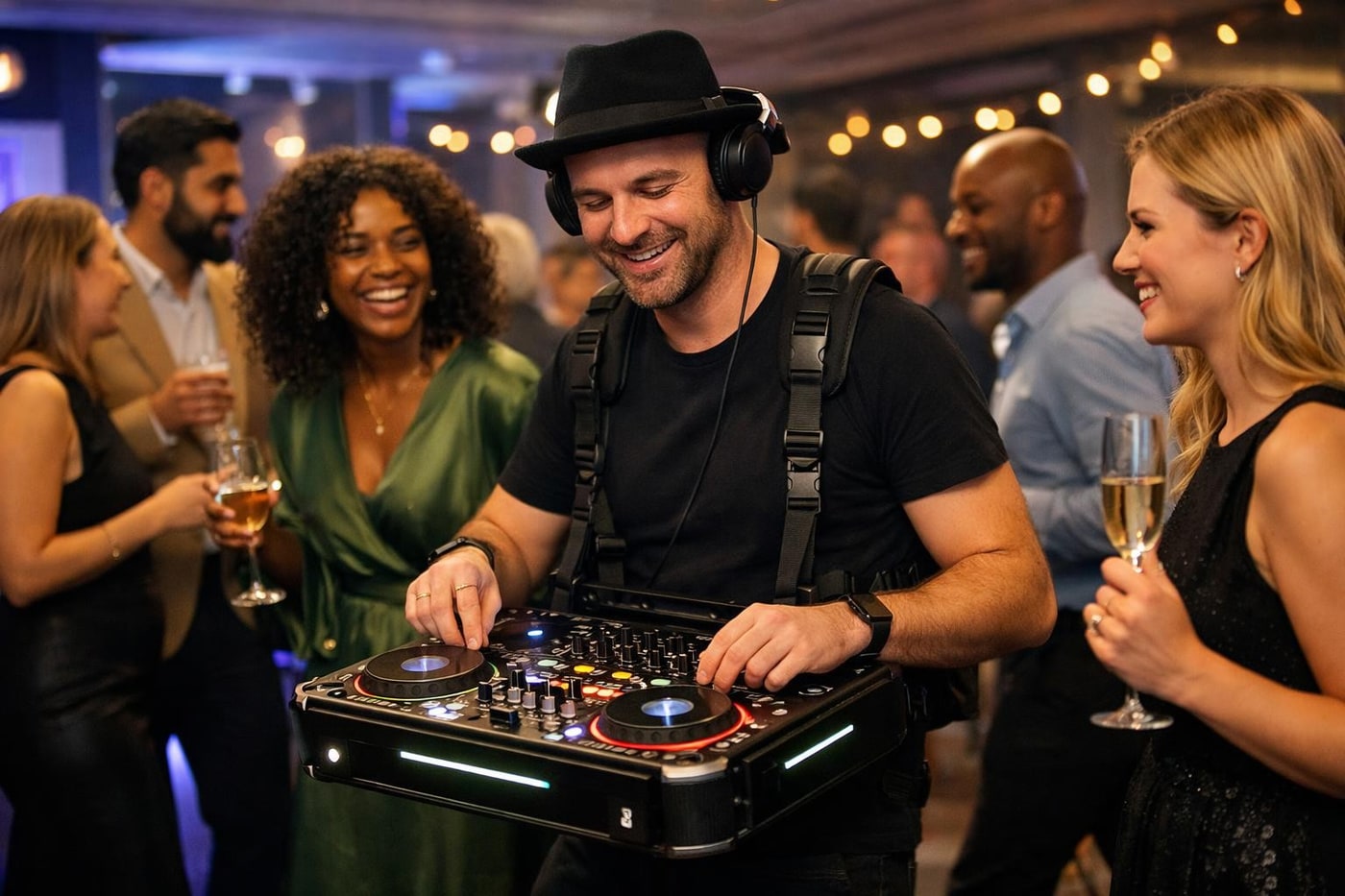
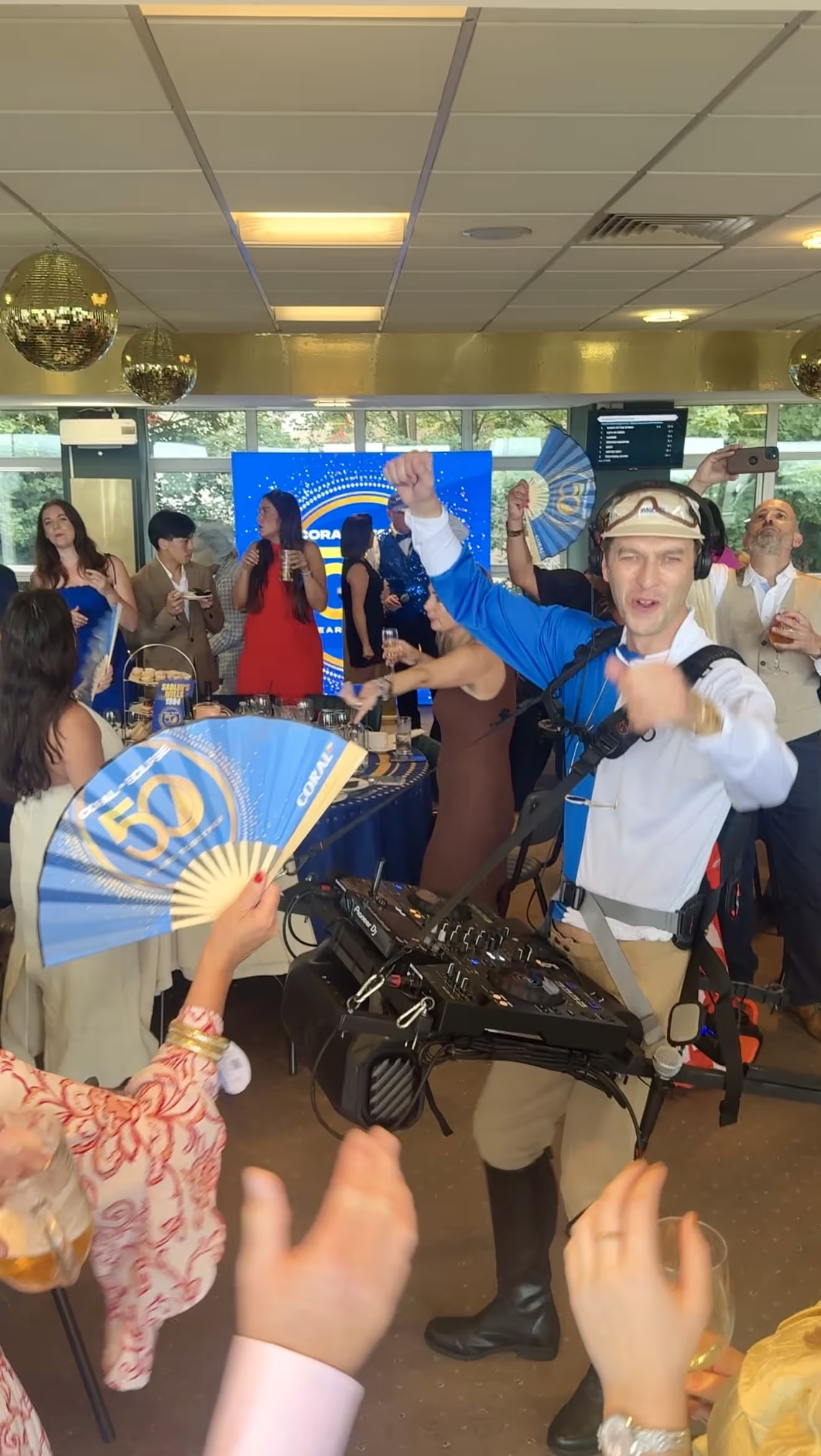
Events by Knight’s roaming DJ rig for Coral’s 50th celebration is a strong example of how a bespoke entertainment concept can create both live impact and visual appeal. The roaming DJ rig was designed to move through the event environment and bring music directly to guests.
Solving Practical Event Challenges
Experiential entertainment is not just about creativity. It can also solve practical challenges.
At large events, guests may be spread out. A fixed stage may not reach everyone. Some areas may feel quiet. Transitions between spaces may lack energy.
Mobile and immersive entertainment can help address these issues.
A roaming act can bring energy to different areas. Performers can guide guest movement. Interactive moments can reduce downtime. Visual entertainment can draw attention across a large venue.
This makes experiential entertainment both creative and strategic.
Encouraging Active Participation
Corporate guests are often more engaged when they are invited to participate in a natural way.
Participation does not need to mean putting people on the spot. It can be subtle and comfortable.
Guests might follow a roaming performer, choose part of an interactive experience, take part in a photo moment, respond to music or discover entertainment as they explore the venue.
The key is to make participation feel optional and enjoyable.
When guests feel in control, they are more likely to engage positively.
Making Large Events Feel Personal
One of the challenges of large corporate events is scale. Big events can feel impressive, but they can also feel impersonal.
Experiential entertainment helps make large events feel more personal by creating smaller moments of connection.
A guest may not experience every part of a large event, but they can still have a memorable moment with a roaming performer, musician or interactive feature.
These individual moments help make the wider event feel more human.
Bespoke Concepts Create Stronger Impact
The most effective experiential entertainment is often bespoke.
A custom-built performance, branded mobile rig, tailored show, themed interaction or original production idea can make an event feel genuinely different.
Bespoke concepts show that the event has been designed with purpose. They also reduce the risk of guests feeling like they have seen the same entertainment elsewhere.
For corporate brands, this uniqueness can be a major advantage.
Why Experiential Entertainment Works Across Event Types
Experiential entertainment can be adapted to many different corporate event formats.
It can work for product launches, brand activations, conferences, Christmas parties, summer parties, award ceremonies, client hospitality events, anniversary celebrations and outdoor festivals.
The format changes depending on the objective.
A conference might use immersive performers to energise breaks. A launch might use interactive brand characters. A summer party might use roaming musicians. An anniversary celebration might use a bespoke entertainment concept that reflects the company’s story.
The Role of Event Production
Experiential entertainment requires careful production.
Because it is often mobile, interactive or bespoke, it needs planning around timing, safety, sound, guest flow, technical requirements and venue restrictions.
The creative idea is only part of the process. It must also work practically.
This is why experienced event production is essential. A good team can take a bold idea and turn it into something that is safe, polished and deliverable.
Final Thoughts
Experiential entertainment is the future of corporate events because it responds to what guests now expect. People want events that feel immersive, memorable and worth talking about.
For brands, experiential entertainment offers a way to create stronger emotional connections, more shareable moments and a more distinctive guest experience.
It moves entertainment beyond the stage and into the heart of the event.
Whether through roaming DJs, immersive performers, interactive activations or bespoke production concepts, experiential entertainment can help corporate events feel more alive, more personal and more impactful.


