
Marketing has changed
Not long ago, brands could rely on visibility alone. A billboard on a busy road, a television advert during prime time or a glossy magazine campaign could place a message directly in front of audiences and create impact.

Today, the challenge is very different.
Consumers are exposed to thousands of messages every day. Social media refreshes endlessly. News cycles move rapidly. Attention spans have shortened and audiences have become increasingly selective about where they invest their time.
Visibility alone is no longer enough.
Attention is now one of the most valuable currencies available to brands.
This is why many of the world's strongest consumer brands are increasingly investing in experiences rather than simply advertising.
As Swatch continues to generate attention and conversation, it reinforces a wider trend taking place across retail, fashion and consumer marketing.
Products alone rarely create excitement.
Experiences do.
Consumers increasingly want to feel part of something
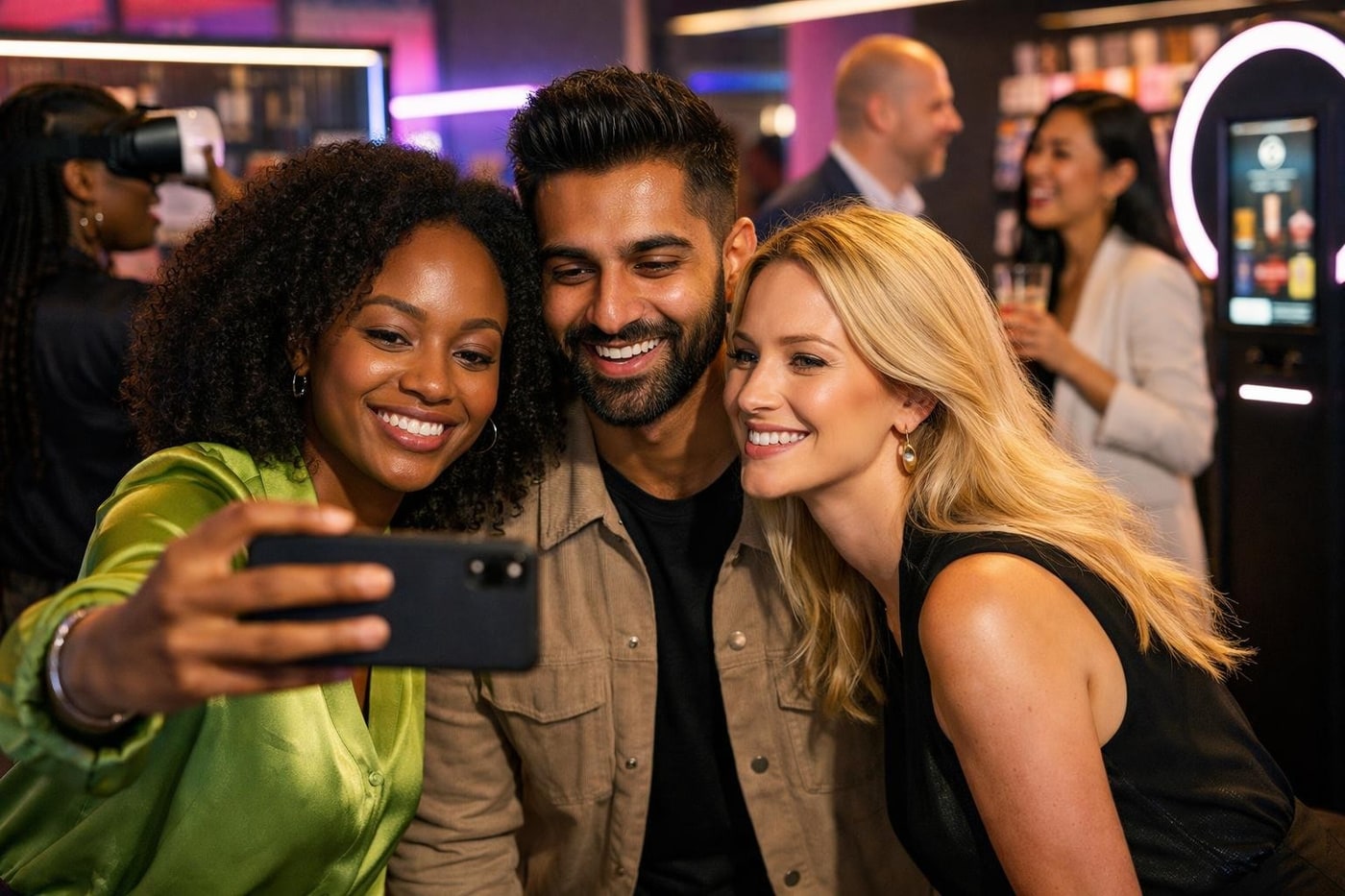
Think about the experiences you personally remember.
You probably do not remember every advertisement you saw six months ago.
You probably do remember:
- The atmosphere at a live event
- A product launch that felt exciting
- An experience you shared with friends
- A moment that surprised you
People remember experiences because experiences create emotion.
Emotion creates memory.
This is where experiential marketing becomes powerful.
Traditional advertising often speaks to audiences.
Experiential marketing invites audiences into the story.
Rather than saying:
“Look at our product.”
Experiential marketing says:
“Come and experience our brand.”
That subtle shift changes everything.
Modern audiences increasingly look for:
- Human interaction
- Authentic experiences
- Shareable moments
- Entertainment
- Energy
- Participation
- Connection
Consumers increasingly want to engage rather than simply observe.
Why traditional advertising is becoming more challenging

This does not mean advertising has stopped working.
Advertising still has enormous value.
The challenge is that audiences have become increasingly skilled at filtering information.
People skip adverts.
People scroll quickly.
People ignore messaging that does not immediately feel relevant.
The competition for attention is no longer limited to your direct competitors.
Brands now compete against:
- Social platforms
- News stories
- Influencers
- Entertainment
- Content creators
- Digital distraction
The question becomes: How do we create something worth stopping for?
Experiences naturally answer that question.
If guests walk into an environment where music is building atmosphere, performers are creating interaction and something exciting is happening around them, attention becomes immediate.
People stop.
People watch.
People engage.
People participate.
Why attention has changed so quickly
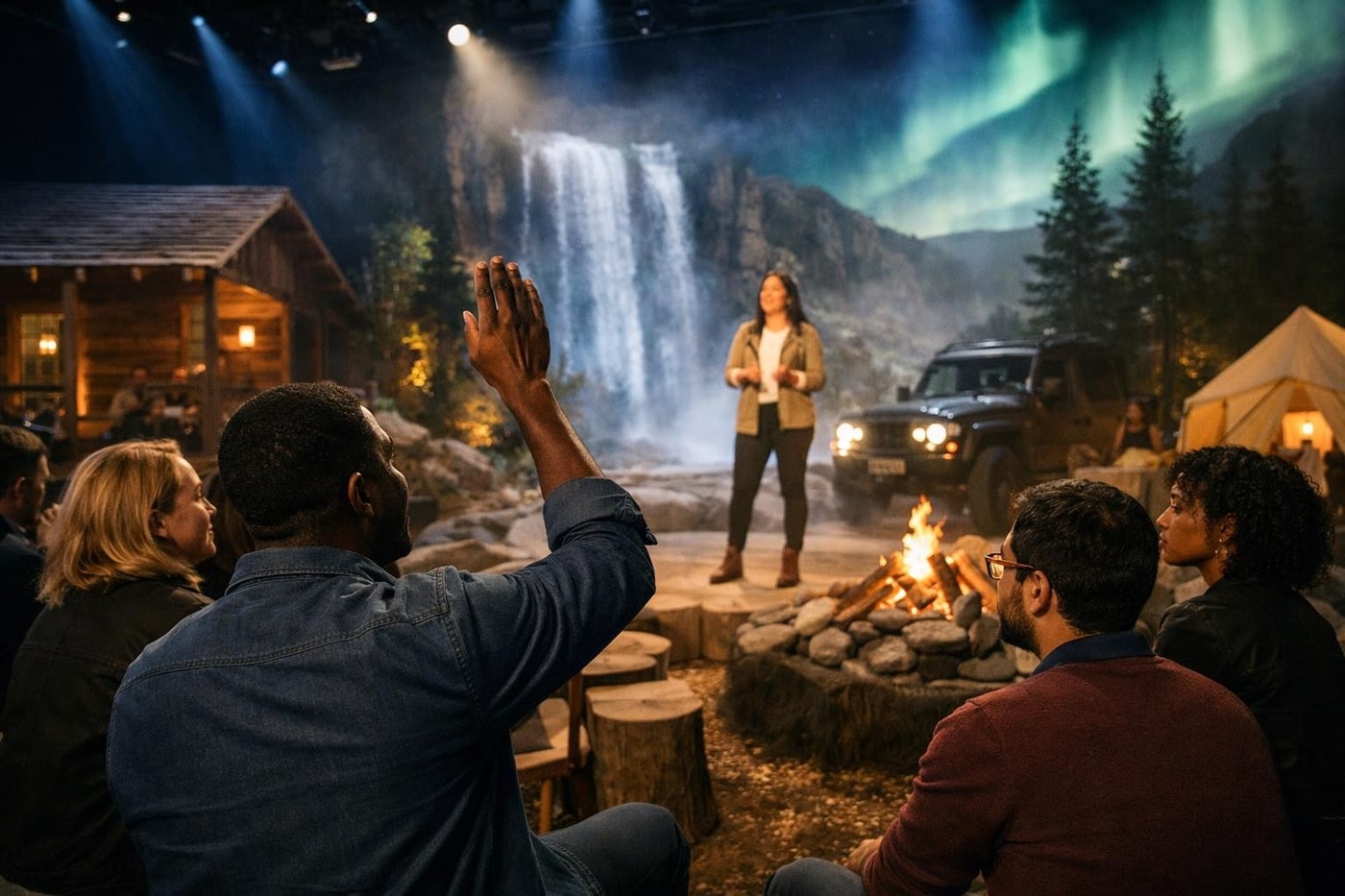
The speed at which consumer behaviour has changed has been extraordinary.
People increasingly consume content in shorter bursts.
Platforms constantly compete for attention.
Audiences have become highly selective.
Years ago, a campaign might have had days or weeks to capture attention.
Today, brands often have seconds.
This creates an important challenge.
How do brands create enough impact for audiences to stop scrolling?
The answer increasingly sits within experiences.
Experiences naturally interrupt behaviour because they create curiosity.
People instinctively respond to:
- Movement
- Sound
- Human interaction
- Energy
- Atmosphere
- Unexpected moments
Experiences often engage multiple senses simultaneously.
This creates stronger emotional response and often stronger memory.
Experiences create emotional connection
One of the biggest strengths of experiential marketing is that it creates connection rather than awareness alone.
Awareness simply means audiences recognise something.
Connection means audiences remember it.
Connection creates:
- Brand recall
- Conversation
- Social sharing
- Loyalty
- Emotional response
- Stronger engagement
Experiences allow audiences to become active participants.
When people participate, they often develop stronger relationships with brands.
Our experience supporting the Swatch launch
At Events by Knight we regularly see the difference between events that simply happen and experiences that genuinely connect with people.
When supporting the Swatch launch, our objective was not simply to create an environment where guests arrived, viewed products and left.
The focus was creating energy.
The focus was creating interaction.
The focus was creating atmosphere.
The experience included:
- A custom branded DJ booth
- High-energy breakdance performers
- Visual moments designed for engagement
- Opportunities for social sharing
- Natural interaction throughout the guest journey
Entertainment was never designed simply as an addition.
It became part of the wider experience itself.
Guests naturally gathered around moments of activity.
Conversations developed.
Energy built throughout the space.
Rather than feeling like observers, guests became part of the experience.
This often creates the difference between an event people attend and an event people remember.
For a closer look at the project, see our Swatch brand launch case study.
Looking to create a launch experience around your brand rather than simply promote a product?
Events by Knight creates immersive experiences through creativity, production and audience engagement.
What brands can learn from Swatch right now
As attention around Swatch continues to grow, there is a broader lesson sitting underneath the headlines.
The lesson is not simply about watches.
The lesson is about relevance.
Brands that continue to remain visible for long periods rarely rely on products alone. They continually create reasons for people to engage with them.
Increasingly, brands that maintain attention over time often focus on creating:
- Community
- Personality
- Collaboration
- Emotion
- Interaction
- Experiences
People increasingly buy into stories and identity rather than products alone.
Consumers want to feel connected with brands that represent something beyond what they sell.
This is one reason experiential marketing continues growing in importance.
Experiences help bring personality to life.
A product on a shelf can communicate information.
An experience allows people to feel the brand.
For organisations considering future launches or campaigns, there are several important takeaways:
Create moments worth sharing
People naturally create content when they experience something interesting.
Focus on emotional response
People remember how experiences made them feel.
Encourage participation
Participation creates stronger engagement than passive observation.
Design experiences rather than simply events
Think about journey, atmosphere and audience behaviour rather than schedules alone.
The future of experiential marketing
Experiential marketing will likely continue evolving significantly over the coming years.
Technology will increasingly support experiences through:
- Interactive environments
- Immersive installations
- Personalised experiences
- Social integration
- Hybrid live and digital environments
However, despite technological change, one thing is unlikely to change:
People will continue responding to emotion.
Technology can enhance experiences.
Human connection creates them.
Brands that understand this often create stronger relationships with audiences.
Why experiences continue beyond the event
One of the strongest aspects of experiential campaigns is that they often continue long after the event itself ends.
Guests create content.
Guests share photographs.
Guests talk about experiences.
Guests become part of the wider conversation.
The audience itself often becomes an extension of the marketing.
That type of visibility can be incredibly valuable.
Kwame Knight insight
“One thing I always think about when creating events is that people are looking for connection. Guests may forget timings, logistics or technical details, but they remember atmosphere and emotion. If guests walk away saying they felt something, that is usually where real success starts.”
Kwame Knight
Creative Director, Events by Knight
Final thoughts
As attention becomes harder to capture, brands increasingly need to think beyond traditional advertising.
Products matter.
Messaging matters.
But experiences increasingly create the strongest impact.
Swatch continues to highlight an important lesson for brands:
People do not simply want to see products.
People want to experience them.


