
Creating Immersive Brand Experiences
Room decoration, also referred to as event design, is an integral part of an experiential event. Experiential launch events are all about engaging your audience in a memorable and immersive way.
Whether unveiling a new product, service, or brand, the goal is to create an environment that showcases the offering and fosters an emotional connection with the audience.
One of the most effective ways to achieve this is through thoughtful and creative room decoration. The design of the space can transform a simple product reveal into a multi-sensory experience that leaves a lasting impression. Here's how to approach room decoration for an experiential launch event.
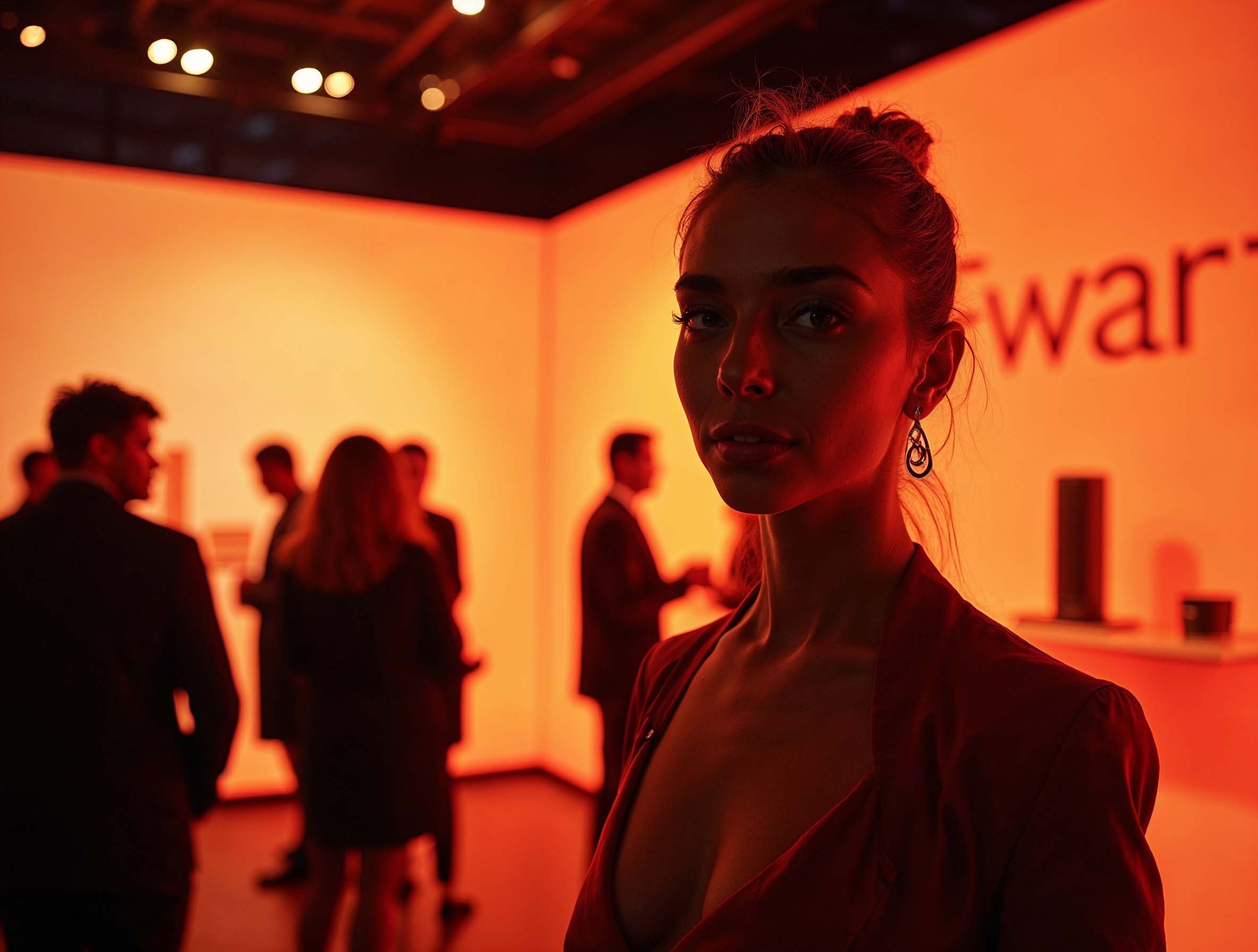
1. Align Decor with Brand Identity and Theme
The first step in designing a room for an experiential launch is ensuring that the decoration aligns with the brand's identity and the specific theme of the launch. Everything in the room should feel cohesive, from the colour scheme to the materials used, creating a unified experience that reflects the brand's values and message. For example:
• Brand Colours and Messaging: Use the company's logo, colour palette, and visual style to guide your design choices. If the launch is for a luxury product, consider elegant touches like metallic accents, sleek finishes, and understated, sophisticated colours. If it's a tech product, incorporate modern, futuristic design elements like neon lights or interactive displays.
• Immersive Experience: The room's theme should match the launch's narrative. For instance, a fashion brand launch might feature runway-inspired decor, while an eco-friendly product might have a nature-inspired design with plants, recycled materials, and earth tones.
2. Focus on the Customer Journey
When designing a space for an experiential launch, it's essential to consider the flow of the event and how guests will interact with the environment. The layout should guide guests through touchpoints that gradually immerse them in the experience.
• Entrance and First Impressions: The entrance to the event is crucial because it sets the tone for everything that follows. A visually striking entrance can spark curiosity. Think oversized branding displays, a unique entryway, or a bold statement piece that immediately captures attention. Consider an interactive element, such as a digital display that invites guests to engage as soon as they walk in.
• Zones or Interactive Stations: Create different "zones" within the room, each designed to highlight a specific aspect of the product or brand. For example, one area could focus on the product's features with interactive touchscreens or demos. Another zone could immerse guests in the lifestyle associated with the brand, featuring live demonstrations, testimonials, or virtual reality experiences.
3. Lighting and Visual Effects
Lighting is one of the most potent tools in experiential event decoration. It can dramatically affect the mood of the space, highlight key areas, and guide the flow of the event.
• Dramatic Lighting: Use lighting to highlight key elements of the room, such as the product display or the entrance. LED lights, spotlights, and colour-changing lights can add a dynamic and engaging element to the space.
• Ambient Lighting: Soft, warm lighting can create a relaxed atmosphere in areas designed for conversation or networking. Use string lights, chandeliers, or soft-glow table lamps for these zones.
• Projection Mapping: For larger-scale events, projection mapping can bring walls, floors, and even objects to life. It could display a brand video, showcase the product in action, or transform the space to match different themes throughout the event.
4. Incorporate Multi-Sensory Elements
An experiential event isn't just about visual impact; it's about engaging all the senses to create a fully immersive experience. Consider how sound, smell, and touch can enhance the space.
• Sound: Curated playlists or ambient soundscapes can help set the event's tone. For example, soft, calming music might be appropriate if the launch is for a wellness product. Alternatively, upbeat, energetic tunes might complement the launch of a fitness brand.
• Scent: The power of scent in creating a memorable experience should not be underestimated. Scent diffusers can subtly introduce a signature fragrance that aligns with the brand—such as a fresh, citrus scent for a tech product or a woodsy aroma for an outdoor gear brand.
• Touch: Interactive elements like touchscreens or product demos allow guests to engage with the product physically, enhancing their connection. Soft-touch materials, textures, or even branded swag with a tactile appeal (such as velvet bags, leather goods, or fabric samples) can leave guests with a memorable physical connection to the brand.
5. Engage with Technology and Interactive Displays
Incorporating technology is a key aspect of modern experiential events. From augmented reality (AR) to virtual reality (VR), digital experiences can elevate guests' interactions with the product or brand.
• Augmented Reality or Virtual Reality: Using AR or VR headsets, attendees can explore virtual environments or experience the product in a new and innovative way. For example, guests at a car launch might virtually "drive" the vehicle, or a clothing brand could allow them to try on clothes via a VR experience.
• Interactive Displays: Touchscreen kiosks, mobile apps, or live social media feeds can further immerse guests in the experience. You can encourage them to interact with the brand by creating polls, sharing their experiences on social media, or viewing custom videos and product demonstrations.
6. Create Photo Opportunities
A significant part of an experiential launch is social media engagement. By designing Instagram-worthy spaces or photo backdrops, you ensure that guests will take photos and share their experiences, amplifying your brand's visibility.
• Photo Walls: Create visually stunning areas with props, branded signage, or product displays encouraging guests to take pictures.
• Branded Hashtags: Display event-specific hashtags so that guests can easily share their photos and experiences online, extending the launch's reach beyond the event itself.
Conclusion
Room decoration for experiential launch events is about creating an environment that captivates and engages the audience on multiple levels.
By aligning the decor with the brand's identity, focusing on customer journeys, incorporating sensory elements, and using technology and interactive displays, you can design a space that makes the product the star while offering guests an unforgettable experience. Thoughtful room decoration doesn't just showcase a product—it tells a story, strengthens brand loyalty, and ensures the launch is seen and felt.


