
Why engagement is the only metric that matters
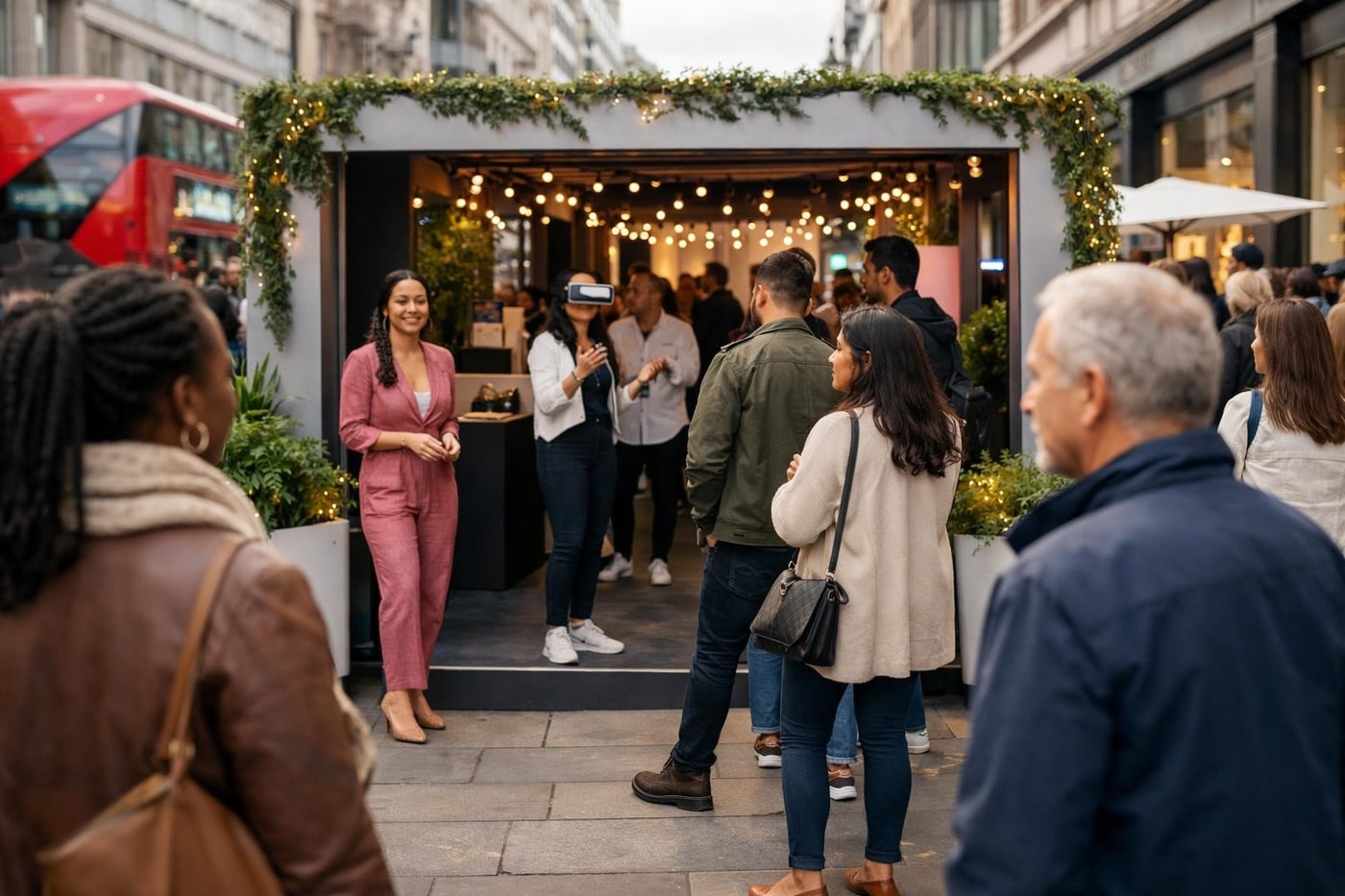
Retail activations often look successful from a distance. There is a crowd. There is noise. There is movement. But when you look closer, many of these activations fail at the most important level: engagement.
Footfall alone does not deliver value. A crowd that watches briefly and walks away does not create a meaningful connection with the brand. True success comes from people interacting, participating, remembering and sharing. That is what transforms a retail activation from a visual moment into a commercial opportunity.
Understanding how people behave on the high street

Before designing engagement, you need to understand behaviour. On busy streets such as Oxford Street, people are moving with purpose, surrounded by distractions and filtering out most of what they see.
They make decisions quickly. That means your activation must answer three questions instantly:
- What is happening?
- Why should I care?
- What do I do next?
If these are not clear, people will not engage.
Capturing attention is only the beginning
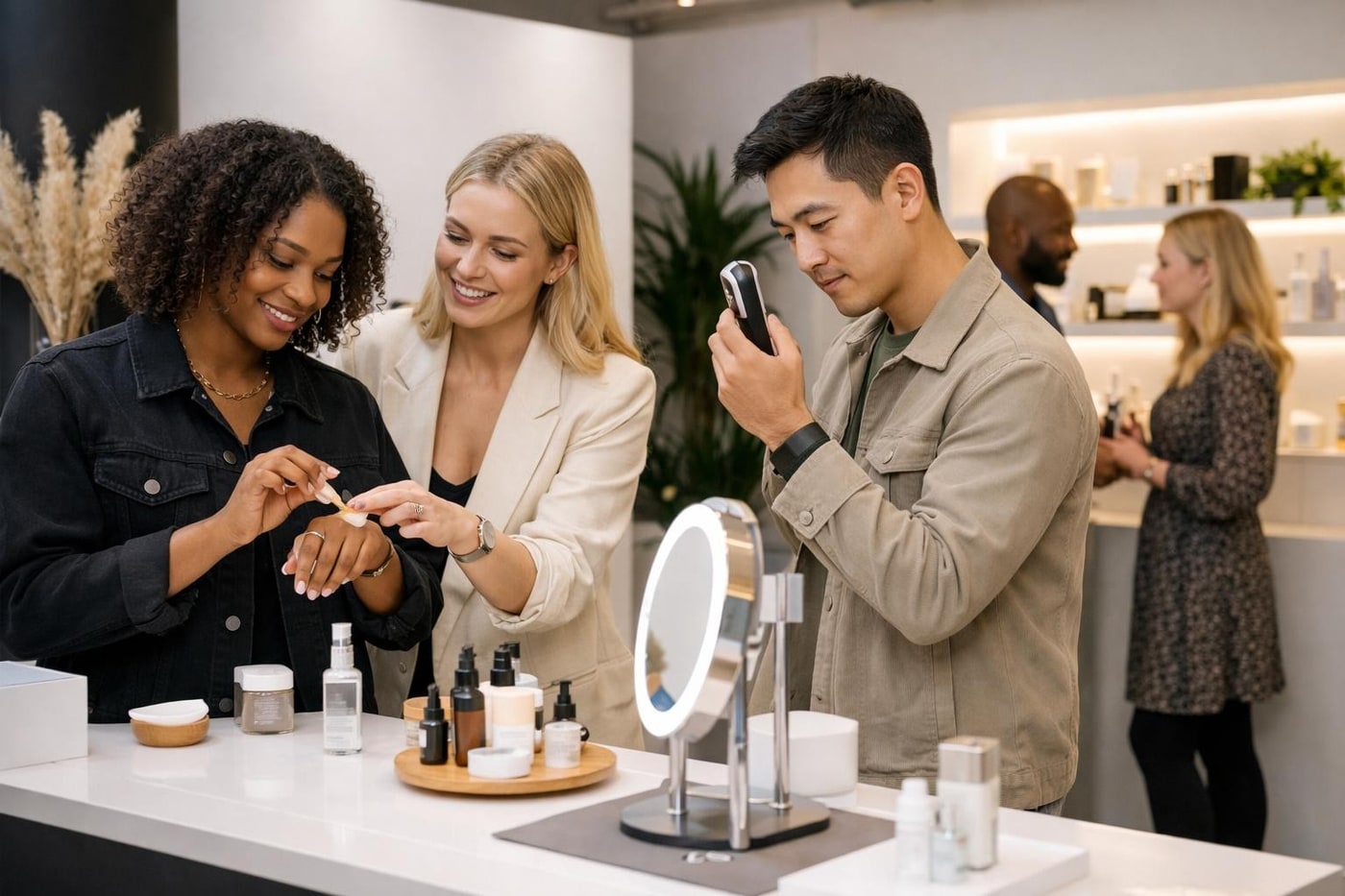
Many activations focus on attention. They create something visually striking. They draw a crowd. But they stop there.
Attention without engagement is wasted opportunity. The goal is to move people through a journey: they notice the activation, are drawn closer, become curious and then take part. Each stage must be designed.
Creating a clear and obvious entry point

One of the simplest ways to increase engagement is to make the starting point clear. People should not hesitate, and they should not need to ask what to do.
This can be achieved through:
- Visible activity
- Strong focal points
- Welcoming team members
In the Swatch brand launch case study, live performance created that entry point. People were drawn in by movement and sound, and engagement followed naturally.
Reducing friction at every stage

Friction is the enemy of engagement. If something feels difficult, unclear or time-consuming, people will walk away.
To maximise participation:
- Keep interactions simple
- Make access easy
- Remove unnecessary steps
People should feel comfortable stepping into the experience. The easier it is, the more people will engage.
Using human interaction to increase participation
People engage with people. This is a fundamental principle.
Brand ambassadors and performers are critical in:
- Welcoming guests
- Encouraging interaction
- Guiding the experience
The approach should feel natural, not scripted or forced. A confident, well-briefed team can significantly increase engagement levels by creating comfort and removing hesitation.
Designing experiences that invite involvement
Engagement increases when people feel part of the experience. That means moving beyond passive observation.
Effective approaches include:
- Hands-on product interaction
- Informal demonstrations
- Interactive elements
The key is to make participation feel intuitive. People should understand what to do without being told.
Creating curiosity that pulls people in
Curiosity is one of the strongest drivers of engagement. When people see something unusual or unexpected, they want to understand it.
This can be achieved through:
- Movement
- Performance
- Unique visual elements
In the Swatch activation, the combination of breakdancers, music and bold visuals created moments that stood out. People were naturally drawn in.
Increasing dwell time through layered experiences
Once people engage, the next objective is to keep them there. Dwell time is a key indicator of success. The longer someone stays, the deeper the interaction.
To increase dwell time:
- Layer the experience
- Provide multiple points of engagement
- Allow guests to explore
For example, someone might watch a performance, move closer, interact with the brand and engage with the product. Each step extends their time within the activation.
Creating a natural flow from engagement to product interaction
Engagement must lead somewhere. It should connect directly to the brand and product, and that transition should feel seamless.
For example:
- After watching a performance, guests are guided towards product interaction
- After engaging with a brand ambassador, they are invited to explore the product
- After participating, they receive something tangible
This ensures that engagement delivers value.
Designing for shareability
Retail activations do not end on the high street. They extend online. People are more likely to share experiences that are visually engaging, energetic and unique.
To encourage this:
- Create strong visual moments
- Ensure lighting supports content capture
- Allow space for filming and photography
In the Swatch activation, the energy and visuals naturally encouraged content creation. This amplified the campaign’s reach.
Maintaining energy throughout the day
Retail environments are constant, so your activation needs to match that. Energy should not drop.
This is achieved through:
- Performance cycles
- Continuous music
- Active team engagement
Without this, the activation can feel flat during quieter periods. Consistency keeps the experience alive.
Avoiding common engagement mistakes
Several issues can reduce engagement. A lack of clarity is one. If people do not understand what to do, they will not participate. Overcomplication is another. Too many elements can confuse rather than engage.
Being too passive can also reduce impact. If nothing is happening, people will not stop. Finally, failing to connect engagement to the brand weakens the overall outcome. Each of these can be avoided with a clear strategy.
Measuring engagement properly
To understand the success of a retail activation, you need to look beyond footfall. Key indicators include:
- Number of interactions
- Time spent at the activation
- Product engagement
- Social content created
These metrics provide a clearer picture of impact.
Why expertise matters in retail engagement
Designing engagement is not simple. It requires an understanding of human behaviour, creative direction and operational delivery. The activation must work in a real-world environment, and that is where experience makes the difference.
Planning a high-engagement retail activation
Engagement is what gives a retail activation its value. Without it, even the most visually impressive setup will fall short. When designed properly, engagement transforms a moment into a meaningful connection between brand and audience.
Events by Knight specialises in creating retail activations that not only capture attention but drive real engagement and measurable results. From concept through to execution, every detail is designed to ensure your audience does more than just watch. They take part.
If you are planning a retail activation or brand launch, get in touch to discuss how we can help you create an experience that truly connects.


