
Why multi-room events create better experiences
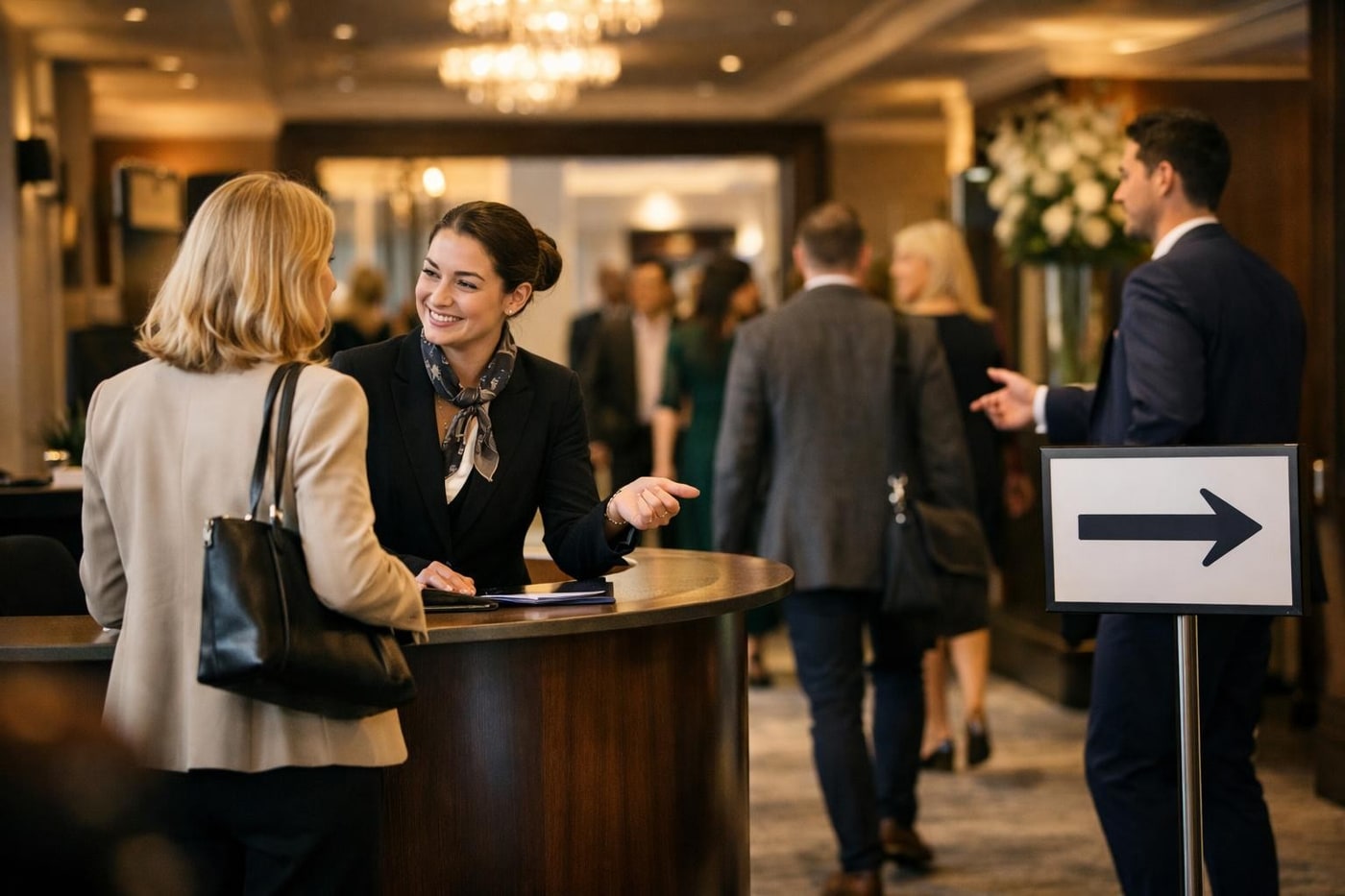
The most engaging events are not static. They move. At venues like the Victoria and Albert Museum, multi-room design is essential because it gives each stage of the experience a clear role and a natural sense of progression.
Used well, a multi-room format allows you to:
- Control energy
- Create variety
- Build momentum
How to design a multi-room event experience
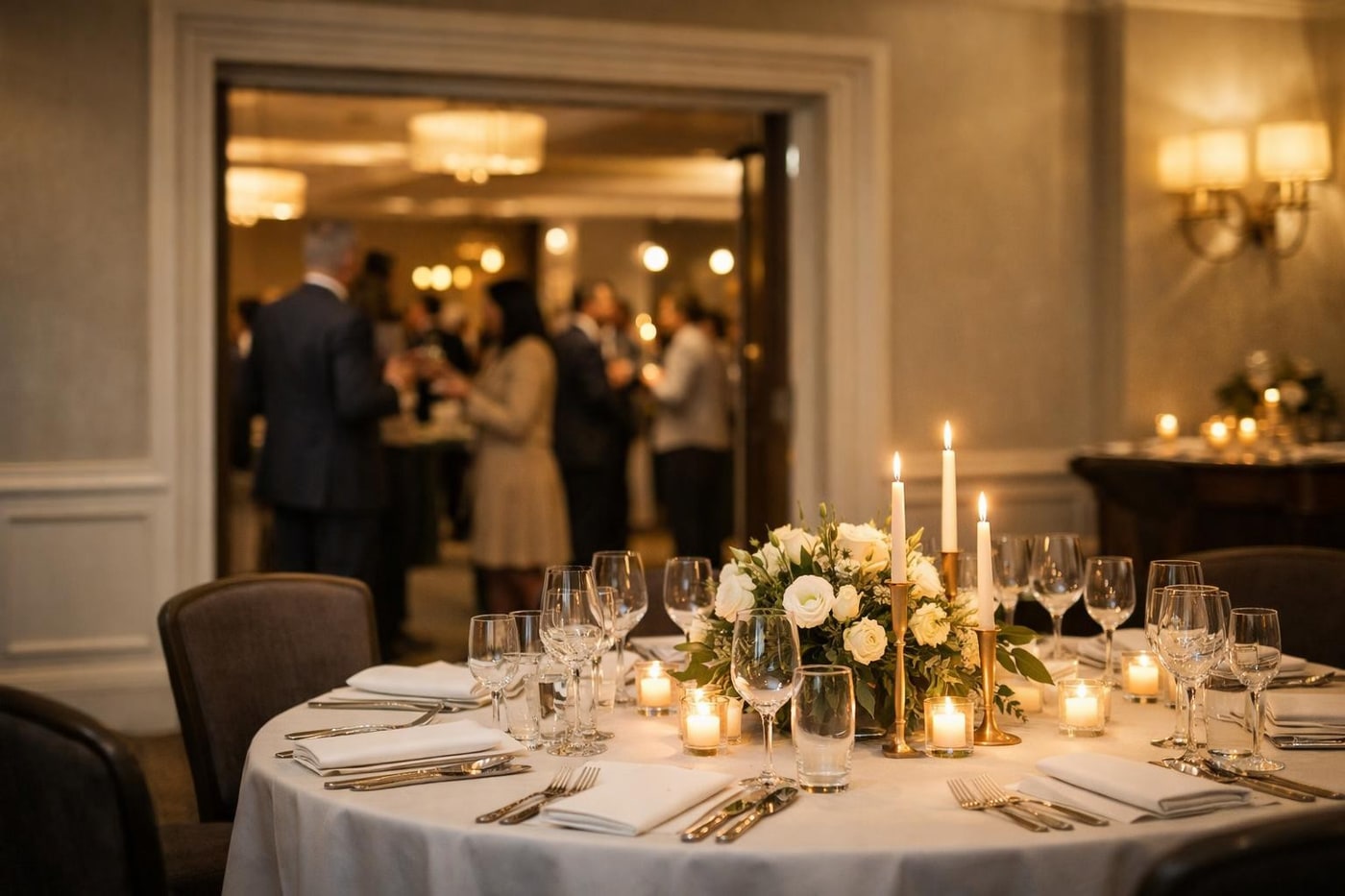
1. Start with a clear structure
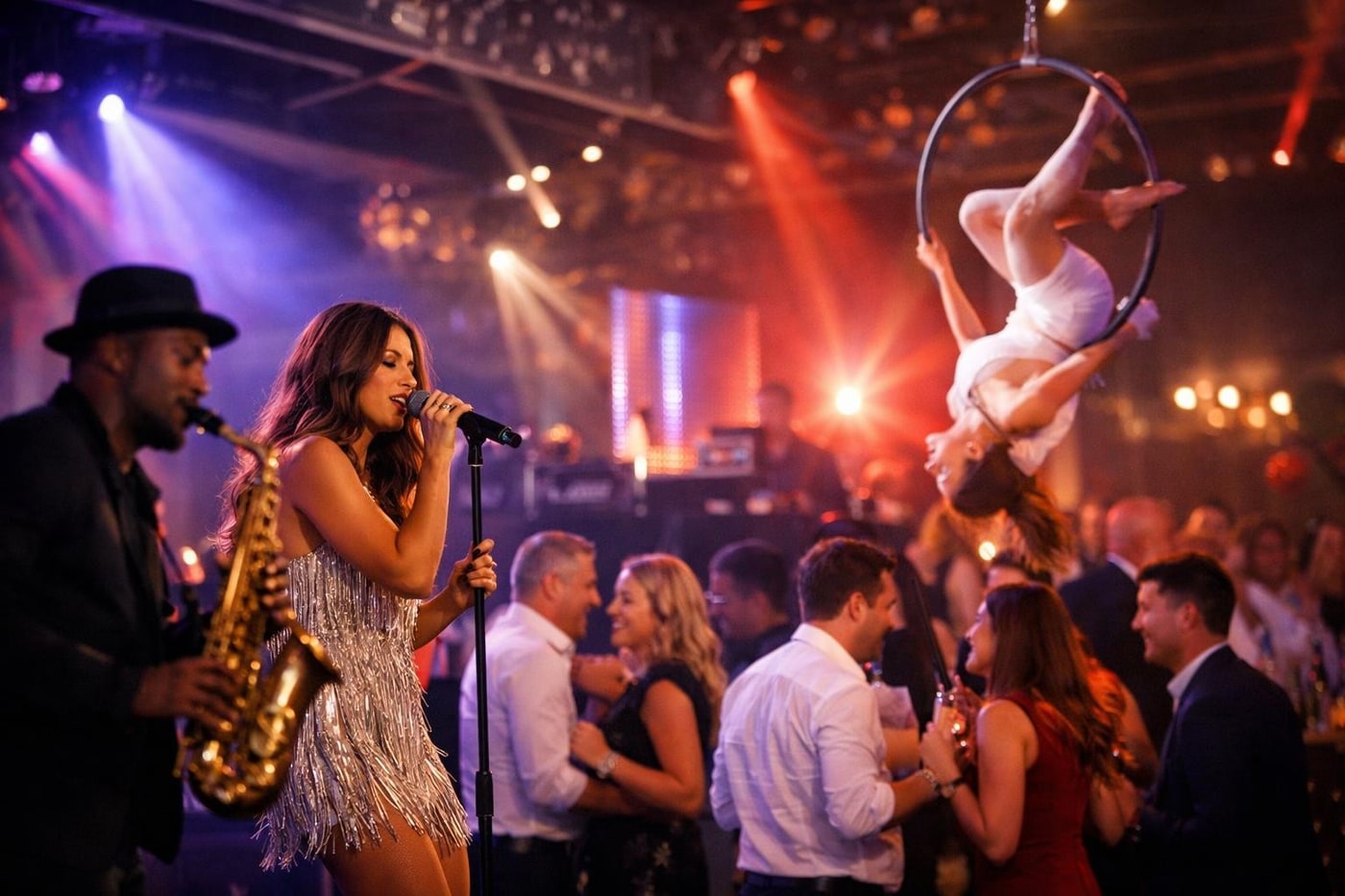
Each space must have a purpose. A typical structure might include arrival, social, dining and party spaces. That clarity helps guests understand the event instinctively, without needing constant direction.
2. Design the guest journey
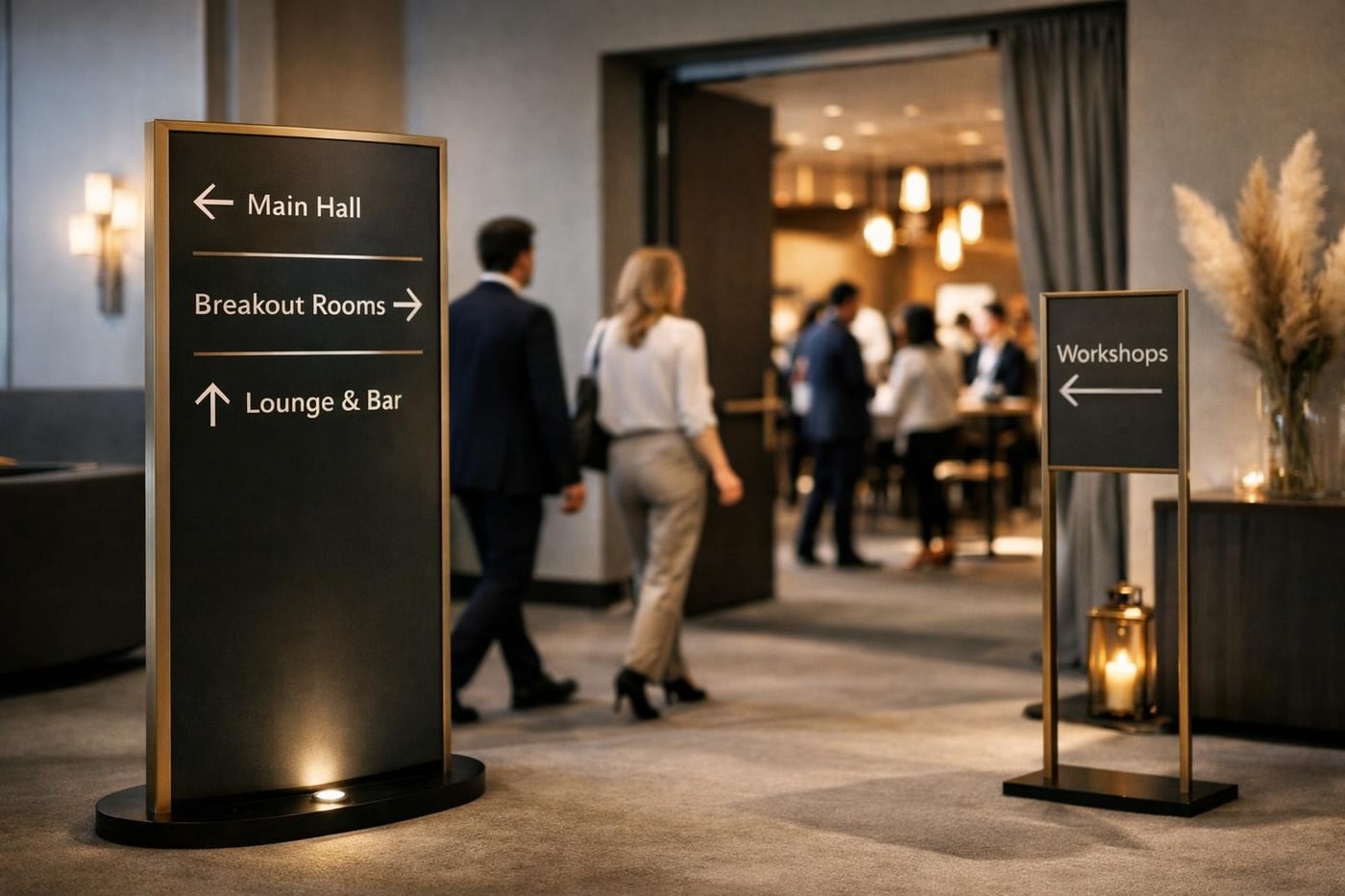
Think carefully about where guests begin, how they move and where energy should build. The journey should feel natural, with each room leading logically into the next.
3. Use transitions to guide movement
Transitions are key in multi-room events. You can guide guests using music, lighting and performers, creating movement between spaces without relying on announcements.
4. Balance energy across spaces
Each room should feel different. If every area has the same atmosphere, the experience loses pace. Varying the tone of each space keeps guests engaged and gives the event more depth.
5. Avoid bottlenecks
Flow matters just as much as design. Plan for guest numbers, space capacity and circulation routes so guests can move comfortably between rooms.
6. Keep everything connected
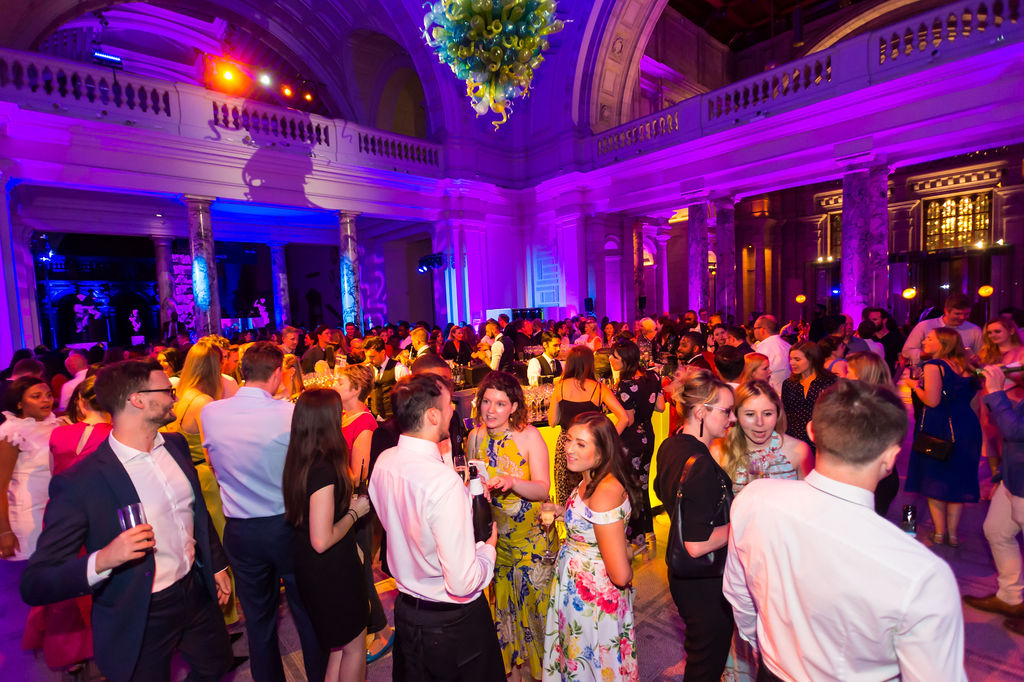
Although the event uses multiple spaces, it still needs to feel cohesive. That is achieved through design consistency, entertainment and clear direction. For an example of this in action, see our Victoria and Albert Museum stylish corporate event case study.
7. Build momentum
The strongest multi-room events are carefully paced. Start relaxed, increase energy and finish strong, so guests feel the evening evolve rather than simply change location.
Final thought
Multi-room events require planning, but they deliver stronger engagement and better guest experiences. When each space has a clear role and every transition feels intentional, the whole event becomes more dynamic, polished and memorable.
For corporate events, brand experiences and celebratory occasions alike, the right flow can make every room feel purposeful.


