
Turning passing footfall into real engagement, brand awareness and sales impact
High streets are some of the most competitive environments for attention. In places like Oxford Street, thousands of people pass every hour, major brands compete for visibility, and audiences are distracted, mobile and selective with their time.
In that environment, most activations fail for one simple reason: they rely on being seen. But being seen is not enough. People do not stop unless there is a reason. They do not engage unless there is energy. They do not remember unless there is an experience.
Why most retail activations get ignored
Retail activations operate in a unique context. You are interrupting someone’s journey, so that interruption has to feel worthwhile, interesting and immediate. If it takes too long to understand, it is ignored. If it looks passive, it is ignored. If it feels like advertising, it is ignored.
The first challenge is not explaining the brand. It is earning attention quickly enough for the brand to matter.
Start with impact, not information

One of the biggest mistakes brands make is leading with messaging. Logos, taglines and product features can all play a role, but none of them matter if people do not stop in the first place.
The first objective is impact. That means movement, sound, colour and energy. For the Swatch activation on Oxford Street, the focus was not on static display. It was on creating something that demanded attention.
Using performance to cut through the noise
Live performance is one of the most effective tools in retail environments because it naturally draws the eye, creates curiosity and builds a crowd.
For Swatch, we introduced:
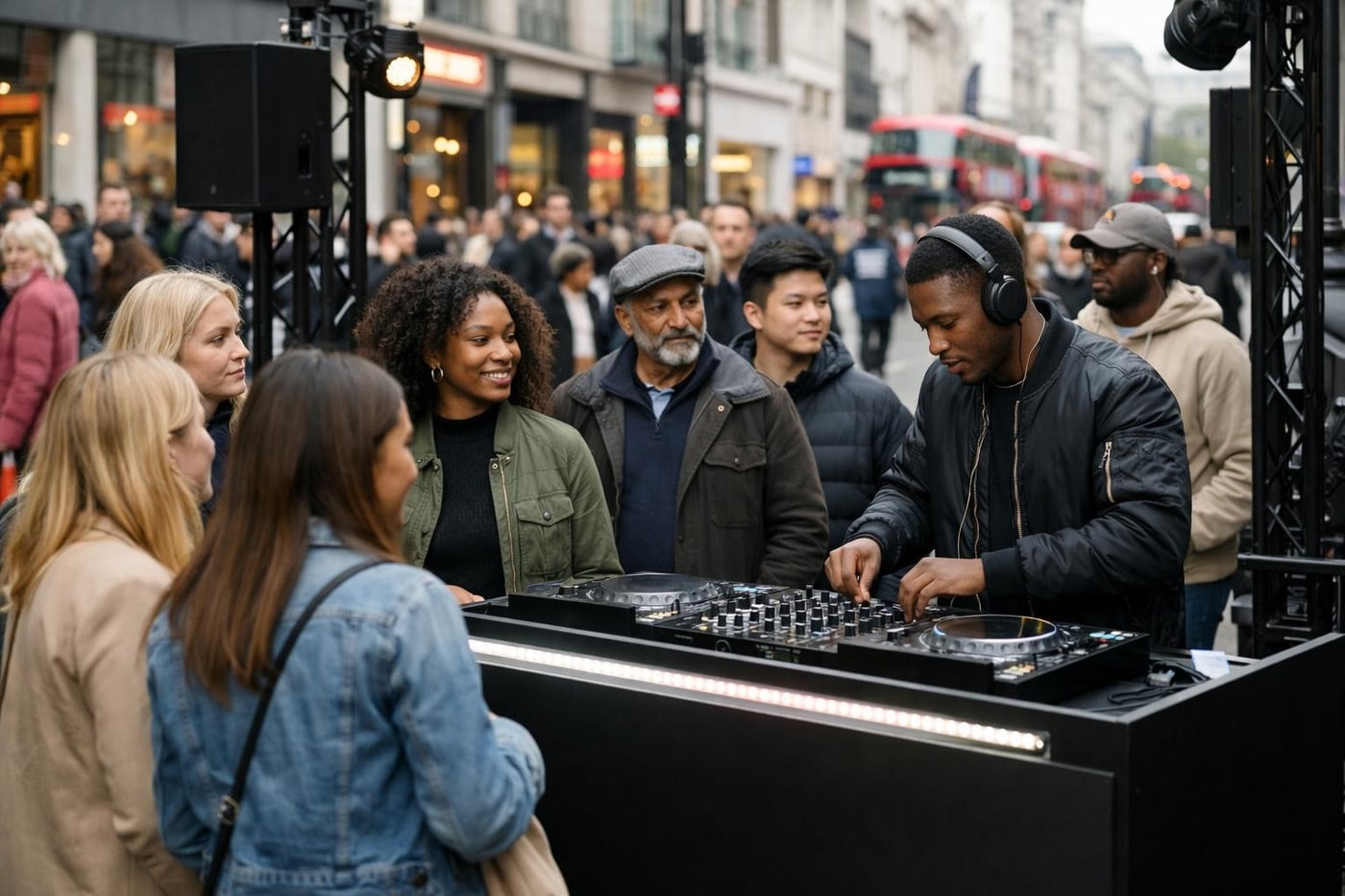
- a professional DJ with a branded booth
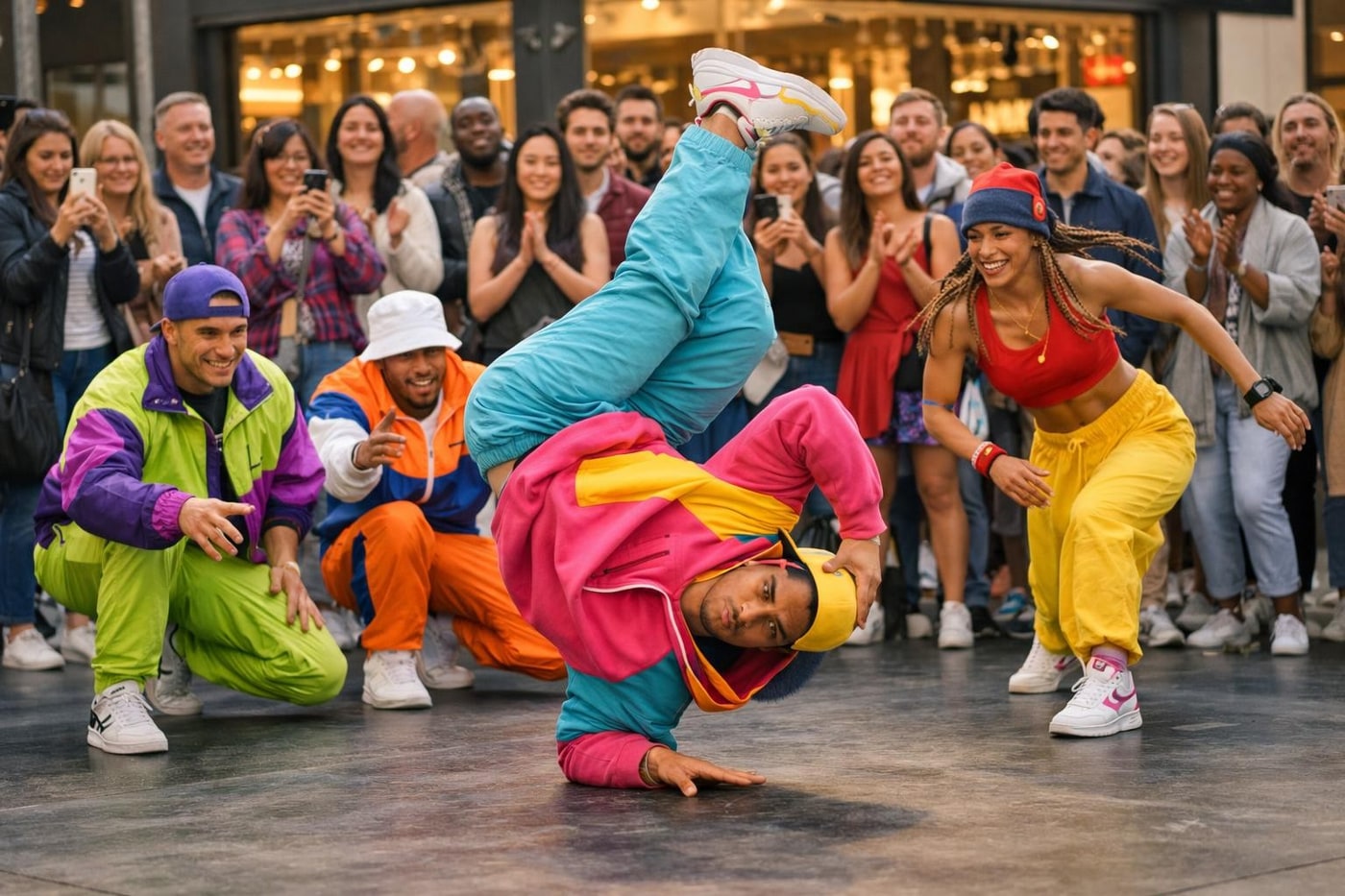
- a breakdance crew in bold, colourful outfits
This created movement, music and a strong visual identity. People did not need to read anything. They could feel that something was happening.
For a real-world example, see our Swatch brand launch case study.
Why colour and visual identity matter

Swatch is known for a bold, vibrant identity, so the activation needed to reflect that instantly. This was achieved through bright, high-contrast costumes, branded elements integrated into the performance, and strong visual cohesion.
In retail environments, colour is one of the fastest ways to capture attention. It works at distance and communicates instantly.
Creating a crowd effect
People are drawn to crowds because a gathering signals that something is worth seeing. This is why performance-led activations work so well: they create a focal point, a gathering space and social proof.
Once a small crowd forms, it grows naturally. That is where the activation gains momentum.
Turning attention into engagement
Capturing attention is only the beginning. The next challenge is getting people involved, and that has to feel natural rather than forced.
At the Swatch activation:
- the performance drew people in
- the DJ created atmosphere
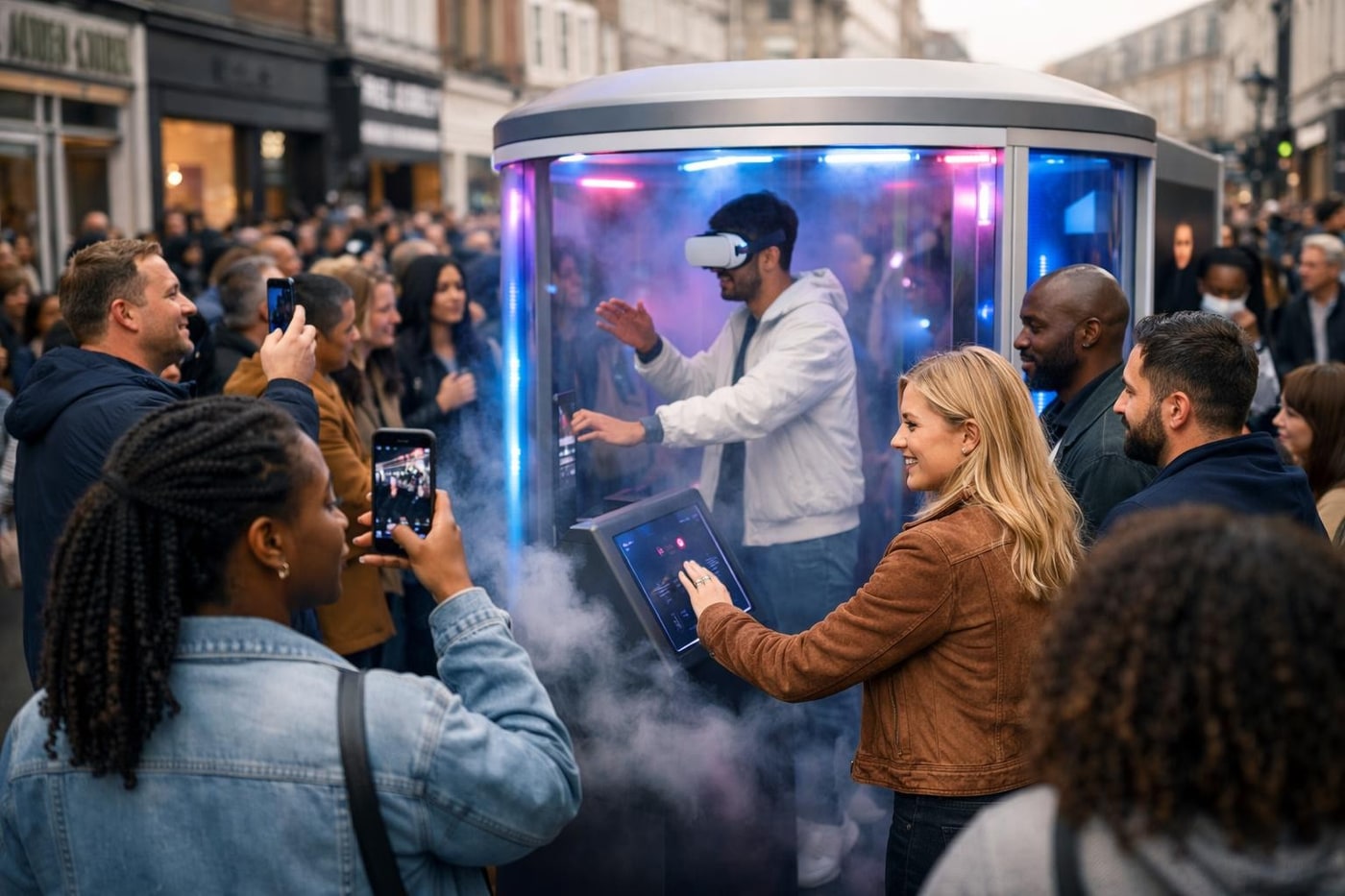
- the environment encouraged interaction
Guests moved from watching to engaging to sharing, without friction.
Leveraging influencers and content creation
Retail activations do not exist in isolation. They live online as well as on the high street.
At the Swatch event, influencers were present, content was created in real time, and the activation was shared across platforms. That extended the reach far beyond Oxford Street.
To achieve this, the activation must be visually strong, energetic and worth capturing.
Creating an experience, not a display
The difference between a successful retail activation and a forgettable one is simple. One is something people walk past. The other is something people step into.
This requires atmosphere, interaction and energy. People should feel part of what is happening, not just exposed to it.
Designing for flow and accessibility
Retail activations need to be easy to engage with. People should not have to think about how to approach, where to stand or what to do first.
Consider:
- where people first see the activation
- how they approach it
- where interaction happens
If the layout is confusing, engagement drops. Clarity increases participation.
Maintaining energy throughout the day
Retail environments are constant, and footfall does not stop. Your activation needs to maintain energy throughout the day, especially during quieter moments.
This is achieved through performance cycles, music and team interaction. Without that structure, the activation can feel flat when the street slows down.
Planning for different footfall peaks
A strong retail activation should perform across the full day, not just at peak times. That means building in enough variety to keep the atmosphere fresh for repeat passers-by and sustained trade alike.
Avoiding common retail activation mistakes
There are several pitfalls to avoid. Being too passive is the most common. If nothing is happening, people will not stop.
Overcomplicating the experience is another. If people do not understand quickly, they disengage. A lack of alignment with the brand can also weaken the activation. Everything must feel connected.
Measuring success in retail activations
Success should not be measured by footfall alone. More meaningful metrics include engagement levels, time spent, interactions and social content created. These indicators show whether the activation created real impact.
For many brands, the most valuable result is not just traffic, but proof that people were moved to stop, participate and share.
Why expertise matters
Retail activations require creative thinking, an understanding of public behaviour and strong execution. They need to work in real-world environments where attention is limited and conditions change throughout the day.
That is where experience makes the difference.
Final thought
Retail brand activations are not about visibility. They are about interruption. When done properly, they stop people, engage them and create lasting brand connection.
Planning a retail brand activation
Events by Knight specialises in creating high-impact retail activations that capture attention in busy environments and turn footfall into meaningful engagement. From concept through to execution, every detail is designed to work in real-world conditions.
If you are planning a brand launch or retail activation, get in touch to discuss how we can bring your campaign to life.


