
Why Immersive Events Are Now the Expectation

Corporate events have evolved. Guests no longer want passive experiences; they expect interaction, engagement and moments that feel personal. If you are working out how to create immersive corporate event experiences, the starting point is understanding that immersion is no longer a luxury. For many event audiences, it is now the standard.
Immersive events deliver this by increasing dwell time, encouraging participation and creating memorable moments that people want to talk about afterwards. At venues such as 116 Pall Mall, immersion becomes even more powerful because the space already provides scale, atmosphere and architectural impact.
1. Start With a Clear and Strong Concept
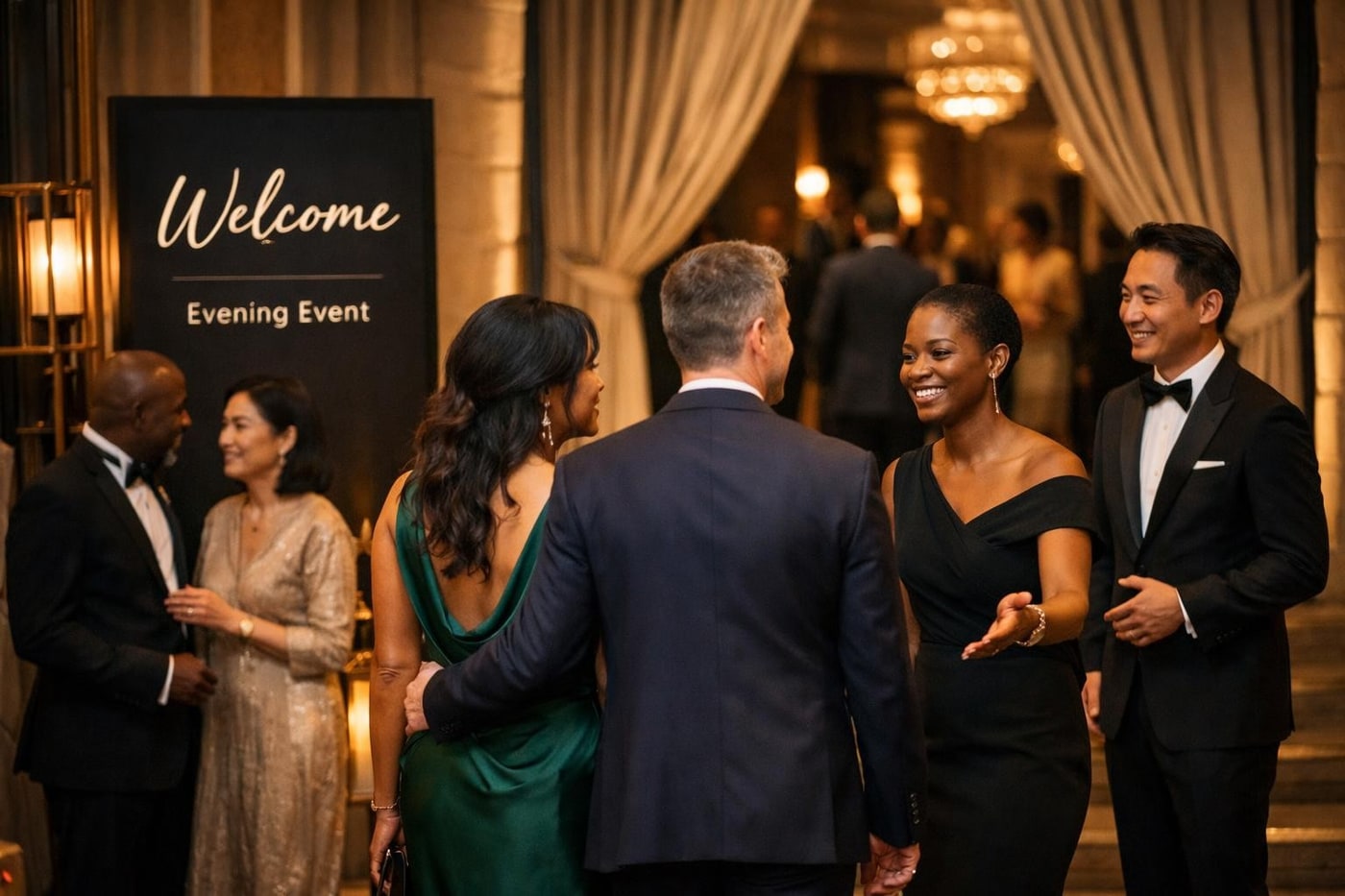
Immersion begins with clarity. You need a defined theme or direction, a consistent narrative and a clear vision. Without that, even the most visually impressive event can feel disconnected.
For example, your concept could be:
- 1920s glamour
- Modern luxury
- Brand-led storytelling
A strong concept gives every decision a purpose and ensures the guest experience feels deliberate rather than decorative.
2. Design Every Touchpoint With Intent
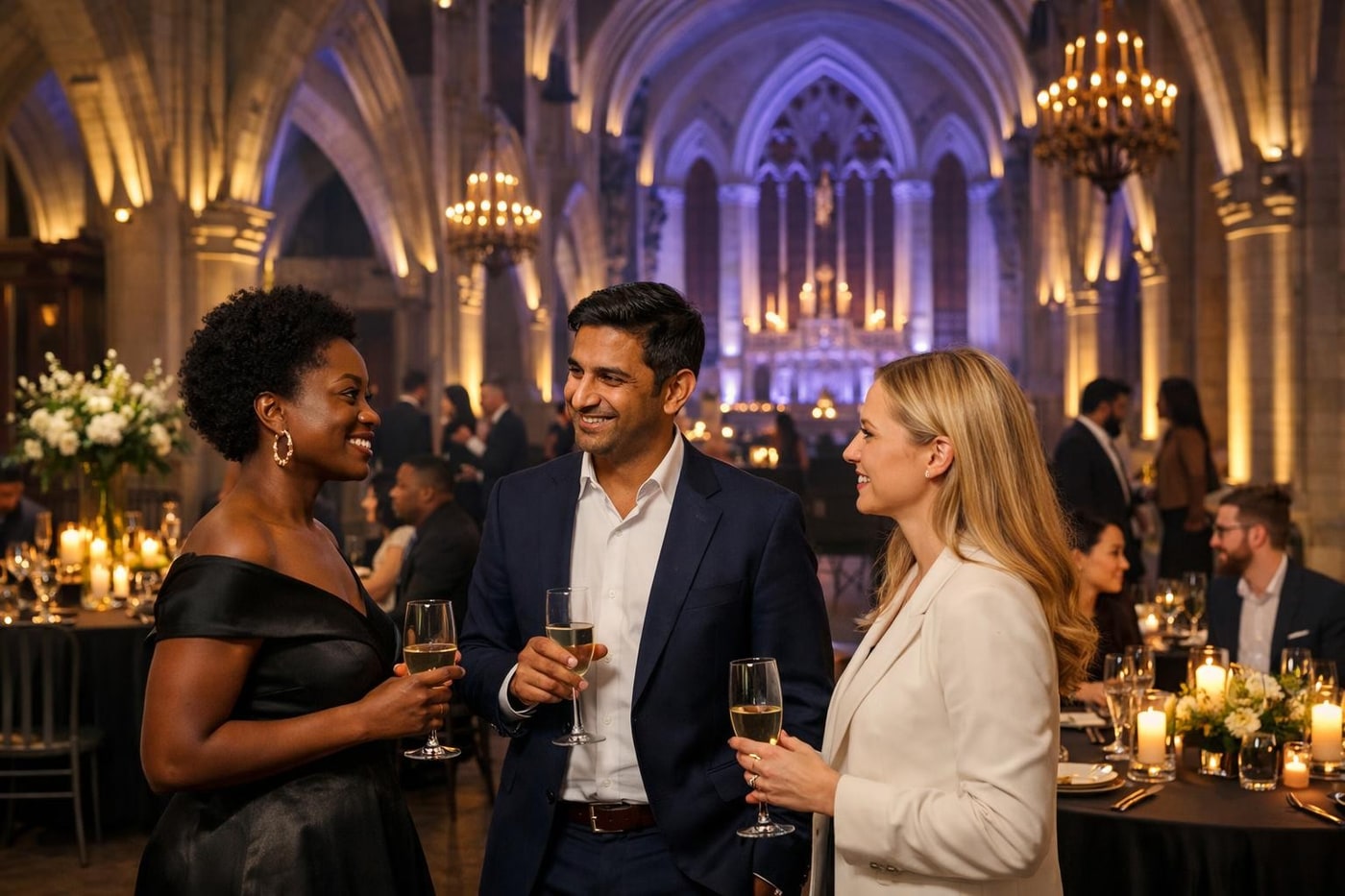
Immersion is built through consistency. Every element should align, including invitations, arrival experience, staff presentation and food and drink. Guests should feel the concept from the moment they engage, not halfway through the evening.
When the details are joined up, the event feels polished, considered and far more memorable.
3. Use the Venue as Part of the Experience
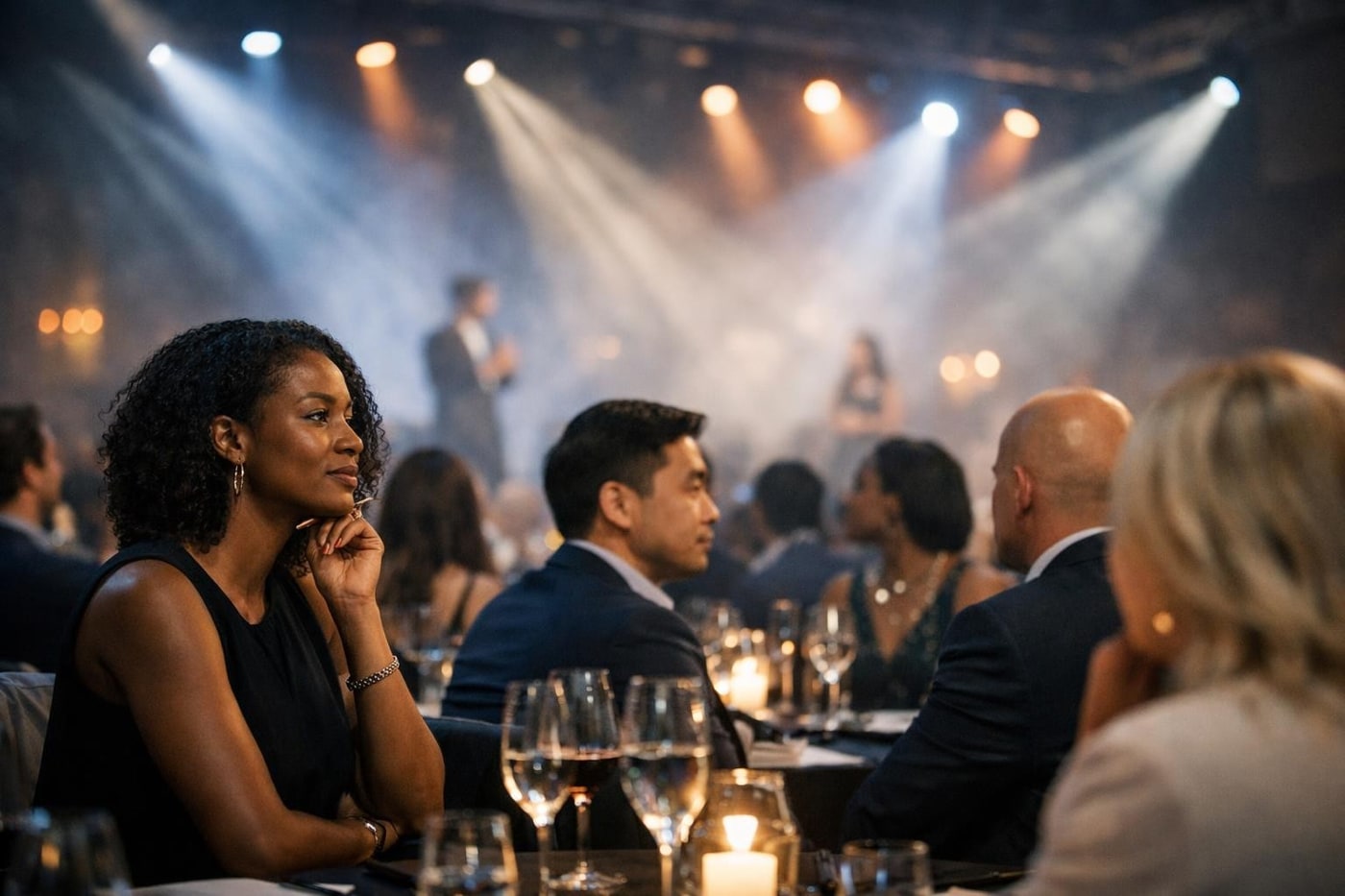
The venue should support the story, not compete with it. At 116 Pall Mall, the architecture can support storytelling while the scale allows transformation. Rather than forcing design onto the space, you should work with it. That creates authenticity and helps the event feel rooted in the setting.
If you would like to see how this works in practice, explore our 116 Pall Mall case study.
4. Layer Visual Design to Support the Concept
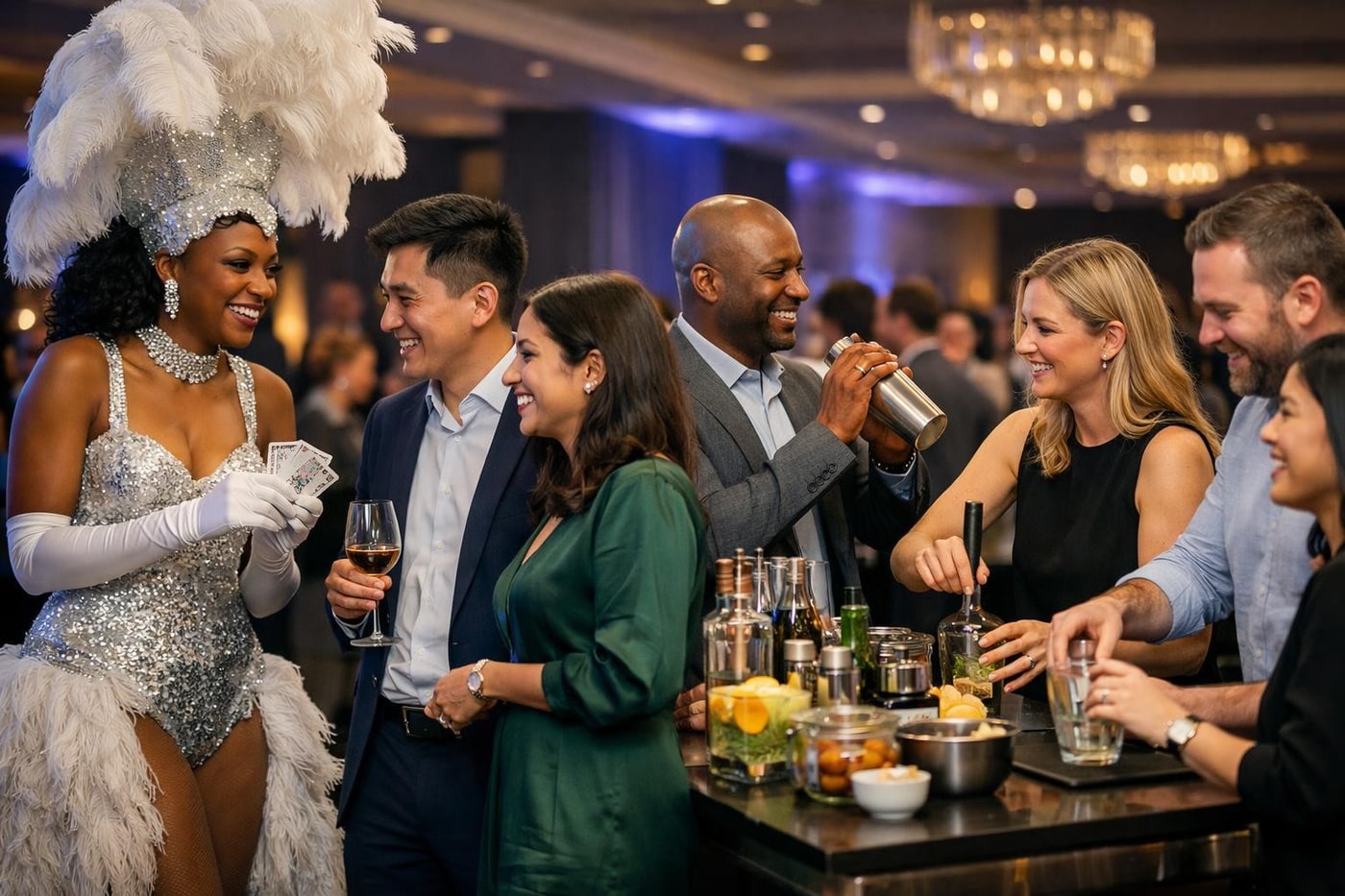
Visual design creates immediate impact. The most effective immersive events use lighting, furniture and layout to reflect the theme, support the atmosphere and enhance the venue.
These elements should work together, not in isolation. When the visual language is consistent, guests are pulled into the experience more naturally.
- Lighting sets the mood and directs attention
- Furniture reinforces style and comfort
- Layout shapes flow and interaction
5. Integrate Entertainment Into the Experience

Immersion happens when guests feel part of the event, not separate from it. That is why entertainment should be woven into the wider experience rather than positioned as a standalone feature.
This can be achieved through roaming performers, interactive acts or musicians positioned within the space. Guests are not just watching; they are participating.
6. Create Interactive Guest Moments
Interaction is key to engagement. The most effective events include moments that invite participation and create a sense of discovery.
Examples include:
- Themed photo experiences
- Live activities
- Participation-based entertainment
These moments increase involvement, encourage social sharing and extend the life of the event long after guests leave the venue.
7. Design the Guest Journey From Start to Finish
Immersive events are not static. They evolve. A strong journey includes arrival, engagement, peak and finale, with each stage building naturally on the previous one.
This structure helps the event feel intentional and keeps energy moving in the right direction throughout the evening.
8. Use Sound and Lighting to Shape Atmosphere
Sound and lighting define mood, guide movement and create transitions. They are essential tools in immersive design because they influence how guests experience each moment.
Used well, they can heighten anticipation at arrival, support the peak of the event and create a powerful sense of closure at the end.
9. Maintain Consistency Across All Elements
Nothing breaks immersion faster than inconsistency. Design, entertainment and messaging all need to align so the guest experience feels seamless from one touchpoint to the next.
Consistency is what turns a collection of good ideas into a coherent event.
10. Avoid Overcomplication
One of the biggest mistakes in immersive event design is doing too much. Immersion is not about excess; it is about clarity, focus and execution.
When every element has a role, the event feels cleaner, stronger and easier for guests to experience.
11. Deliver Seamless Execution
Guests should not see delays, setup or issues. Everything should feel effortless, even though that level of polish usually requires detailed planning and strong production management behind the scenes.
The smoother the delivery, the more believable and immersive the experience becomes.
12. Create a Strong Final Moment
The ending defines the experience. A strong finish ensures guests leave with energy and that the event is remembered for the right reasons.
A finale can be visual, musical or participatory, but it should always feel like a deliberate conclusion rather than an abrupt stop.
Why Immersive Events Require Expertise
Immersive experiences require creative direction, strategic planning and high-level execution. That combination is what separates average from exceptional. It is also why the best results usually come from teams who can manage both the creative and the logistical detail.
When those elements are handled properly, the result is an event that feels effortless for guests and fully aligned to the brand or occasion.
Final Thought
Immersive events are not about decoration. They are about designing experiences that guests feel part of. When done properly, they create lasting impact and a far stronger connection between the audience, the venue and the brand.
If you are planning a corporate event and want to create something truly memorable, Events by Knight can help bring the vision to life.


