
Why experiential marketing is now essential
The way people interact with brands has changed. Traditional advertising still has a role, but it is no longer enough on its own. Audiences are exposed to constant messaging across digital platforms, retail environments and public spaces. As a result, attention has become harder to earn and even harder to hold.
That is where experiential marketing comes in. It creates moments where people do not just see a brand, they experience it. It gives audiences a reason to stop, engage and remember.
For brands looking to build genuine connection, this is no longer a nice-to-have. It is essential.
What makes experiential marketing effective

Not all experiential campaigns are equal. Some attract attention briefly and are quickly forgotten. Others create lasting impact, drive engagement and extend far beyond the physical moment.
The difference lies in how they are designed. A successful campaign should:
- Capture attention immediately
- Create a reason for people to stay
- Encourage participation
- Deliver a clear brand message
- Generate shareable moments
If any of these elements are missing, the activation risks falling flat. The most effective campaigns are not built around what the brand wants to say. They are built around how people behave in real environments.
Start with the environment, not the idea
One of the most common mistakes in experiential marketing is starting with a concept that does not suit the environment it will live in.
High-footfall locations are unpredictable. People are moving, distracted and often in a rush. Your activation must work within that context.
Ask yourself:
- How quickly can this capture attention?
- Will people understand what is happening at a glance?
- Does it stand out against the surroundings?
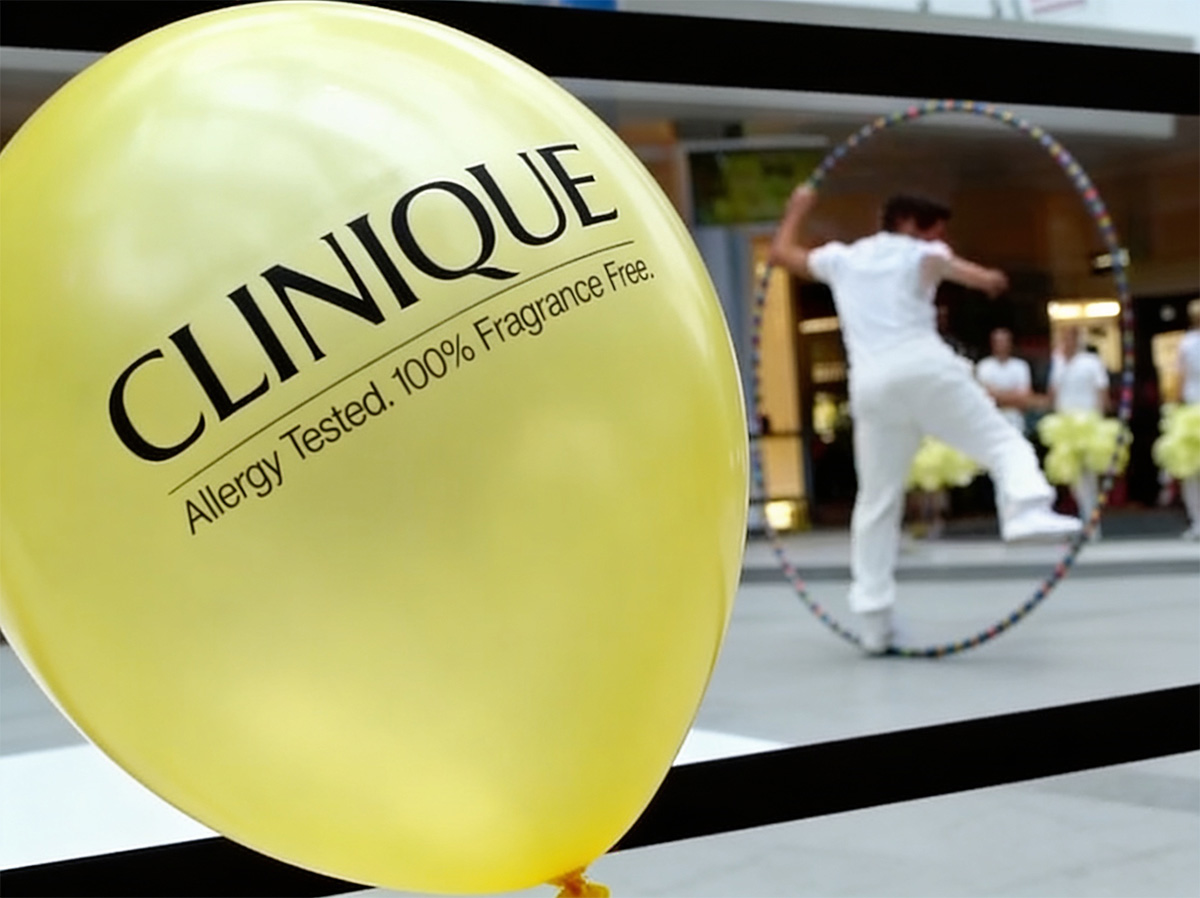
In the Clinique DDML+ roadshow, the activation was designed for busy public spaces. The approach was not to compete quietly. It was to cut through with energy and movement. That is what made it effective.
Performance-led activations that stop people in their tracks
One of the most powerful ways to attract attention is through live performance. Movement naturally draws the eye. Sound creates curiosity. A group of people gathering creates social proof.
Performance-led activations combine all three.
This can include:
- Street dancers
- Breakdancers
- Acrobatic performers
- Live musicians or percussionists
In the Clinique campaign, this combination created a dynamic, high-energy environment that was impossible to ignore. People stopped because something was happening. They stayed because it was engaging. They shared because it was worth capturing.
Interactive experiences that invite participation
Once you have attention, the next step is engagement. Passive observation is not enough. The most effective activations give people a reason to get involved.
This might include:
- Product trials
- Hands-on demonstrations
- Interactive installations
- Personalised experiences
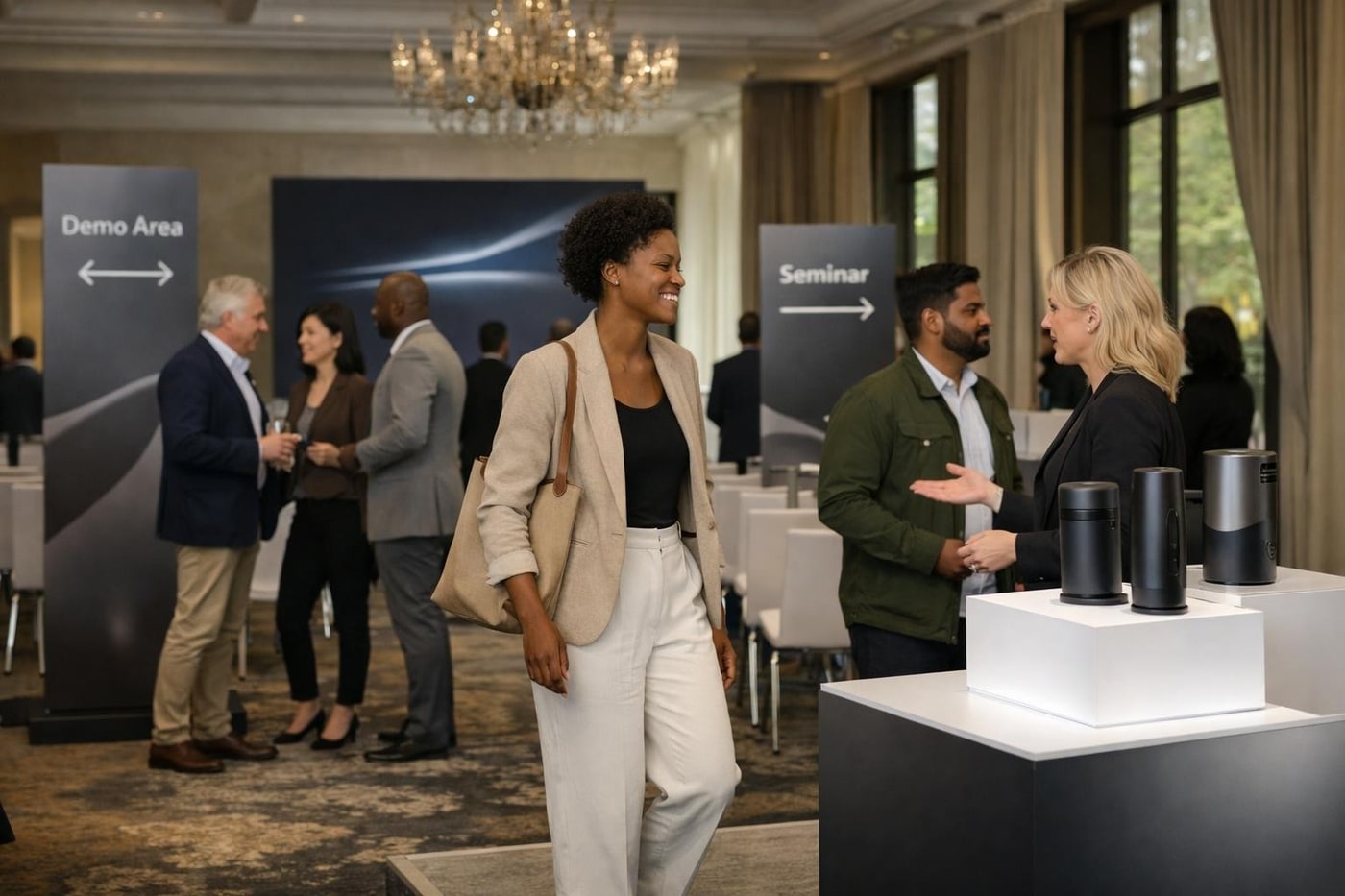
The key is to make the transition from observer to participant feel natural. For example, in a beauty activation, guests might first watch a performance, then be invited to explore products, receive samples or interact with brand ambassadors.
There should be no friction. The journey should feel seamless.
Creating moments that are designed to be shared
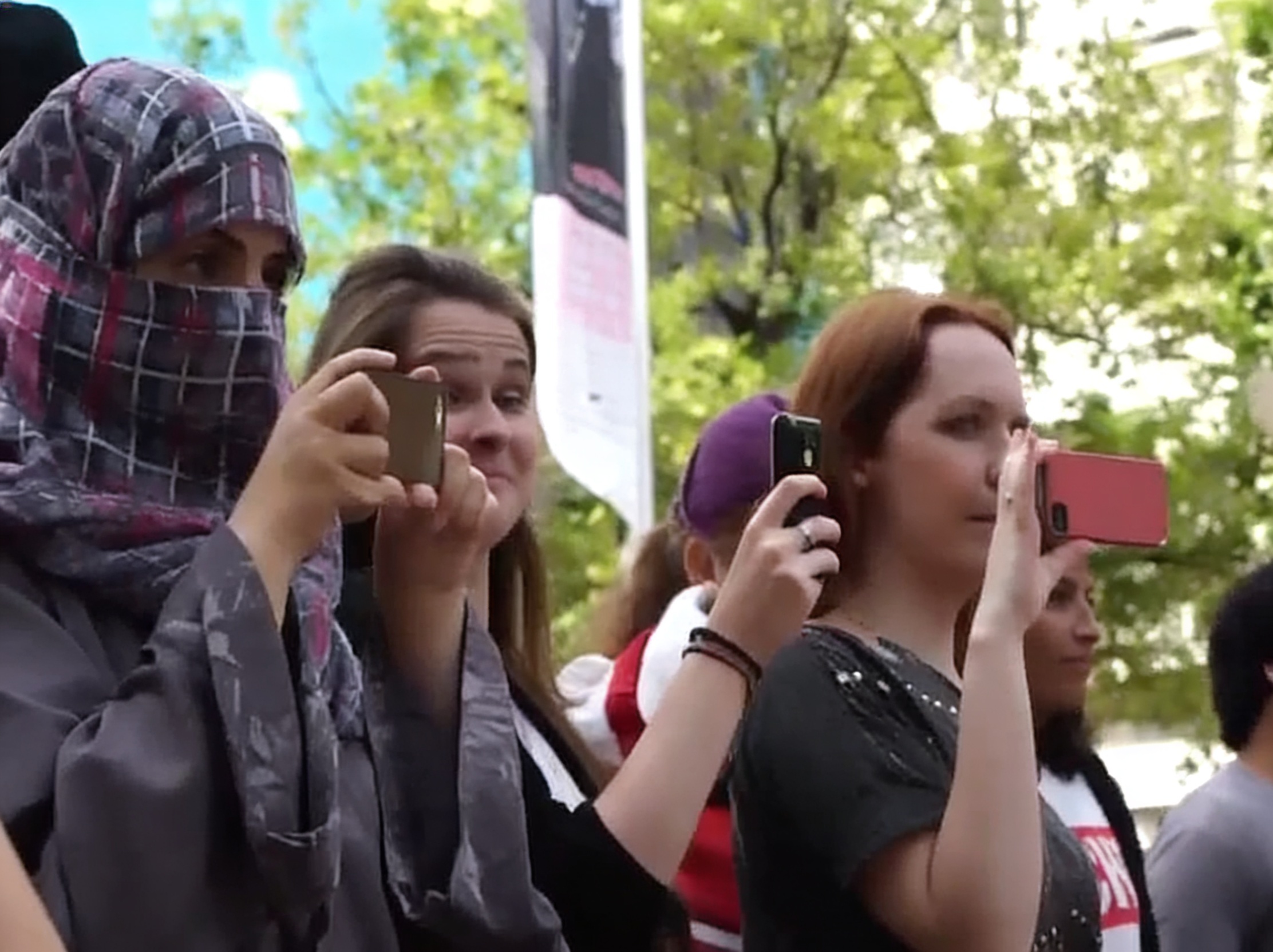
Modern experiential marketing extends far beyond the physical space. If your activation is not being shared, you are missing a significant opportunity.
To encourage sharing, the experience needs to be:
- Visually strong
- Dynamic
- Easy to capture
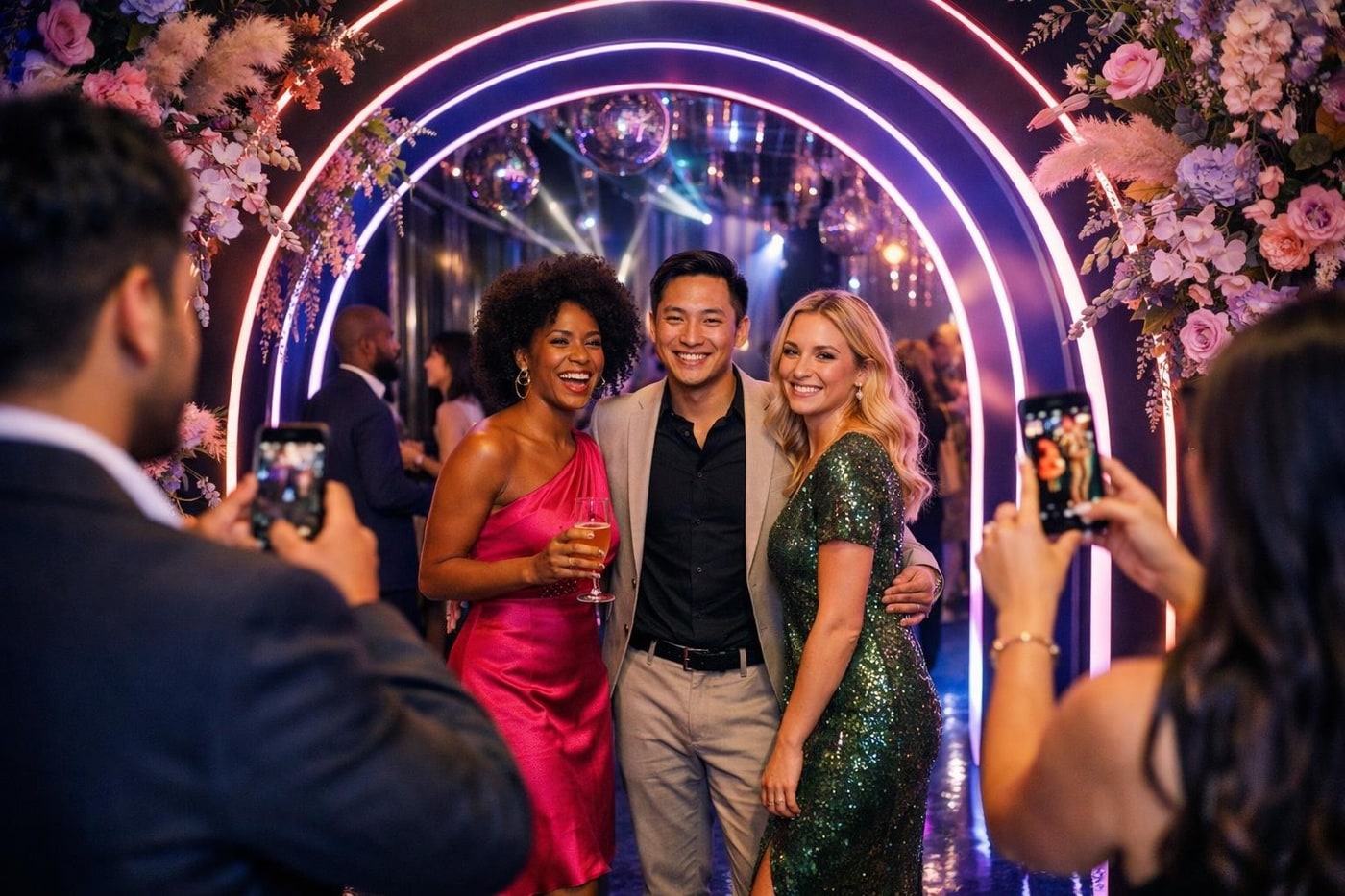
This does not mean forcing social media moments. It means designing an environment where people naturally want to take photos and videos.
In the Clinique activation, the combination of performance, colour, movement and energy created moments that audiences wanted to document. This extended the campaign’s reach organically.
Building a clear brand connection
Attention and engagement are only valuable if they connect back to the brand. One of the biggest challenges in experiential marketing is ensuring that the experience does not feel disconnected from the product or message.
Every element should align with the brand’s identity. For Clinique, this meant reflecting:
- Energy
- Innovation
- Youthful appeal
The performers, music and overall tone were carefully chosen to reinforce this. The result was an activation that felt authentic rather than generic.
Designing for flow and movement
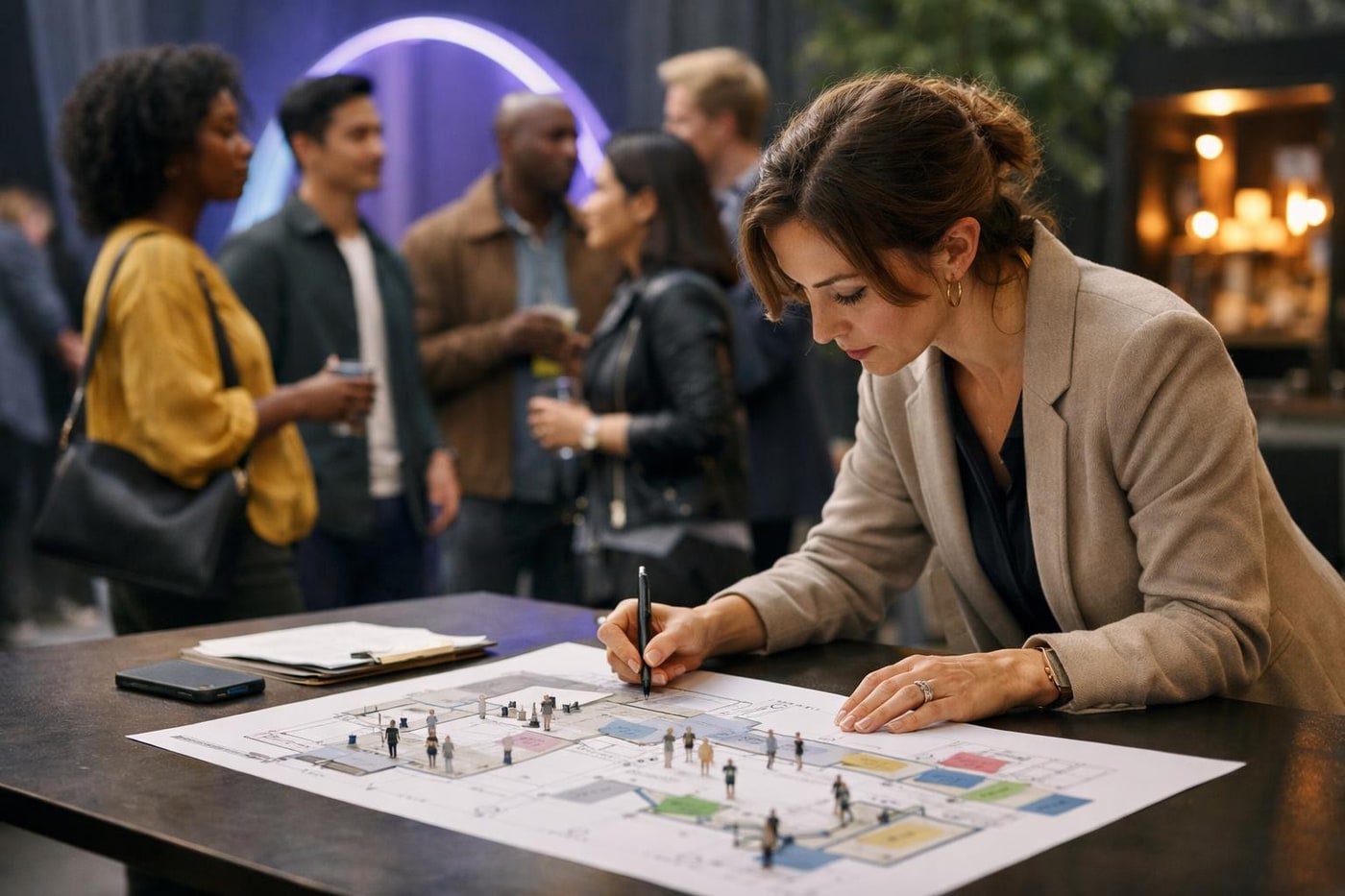
A strong experiential campaign is not static. People should move through the space in a way that feels natural. This requires planning.
Consider:
- Where people first encounter the activation
- How they move closer
- Where engagement takes place
- How they exit the experience
If this flow is not considered, the activation can feel crowded or confusing. A well-designed flow ensures that more people can engage, the experience feels organised and the brand interaction is clear.
Roadshow campaigns that deliver consistency
When an activation takes place across multiple locations, consistency becomes critical. Each location must deliver the same quality of experience.
This includes:
- Performance
- Setup
- Brand messaging
- Guest interaction
Without consistency, the campaign loses impact. For the Clinique roadshow, each stop needed to feel equally strong. That required detailed planning, clear direction and a team capable of delivering at scale.
Using sound and energy to create atmosphere
Sound plays a major role in experiential marketing. It signals that something is happening. It draws people in from a distance. It shapes the energy of the space.
Live percussion, music and performance create an atmosphere that static activations cannot achieve. This is particularly effective in busy environments where visual elements alone may not be enough.
Sound adds another layer of engagement.
Creating a sense of occasion
The most successful experiential campaigns feel like an event, not just a display. They create anticipation. They have moments of build and release. They give people the sense that they are part of something happening in real time.
This is what keeps people engaged for longer. It is also what increases the likelihood of sharing and conversation.
Avoiding common experiential marketing mistakes
There are several pitfalls that can reduce the effectiveness of an activation.
- Being too subtle. If people do not notice the activation, it cannot succeed.
- Overcomplicating the experience. If people do not understand what is happening, they will not engage.
- Lacking clear flow. Confusion reduces participation.
- Failing to connect the experience back to the brand. This weakens the overall impact.
Each of these can be avoided with the right approach.
Measuring success beyond footfall
Footfall is often used as a primary measure of success. However, it is only one part of the picture. More meaningful metrics include:
- Dwell time
- Engagement levels
- Product interaction
- Social sharing
- Brand recall
These indicators show whether the activation has truly connected with the audience.
Why expertise matters in experiential marketing
Experiential marketing sits at the intersection of creativity and execution. It requires strong ideas, an understanding of audience behaviour and the ability to deliver in live environments.
That combination is what ensures a campaign does not just look good on paper, but works in reality.
Final thought
Experiential marketing is not about being present in a space. It is about owning that space, even if only for a moment.
When designed properly, it captures attention, drives engagement and leaves a lasting impression.
If you are exploring experiential marketing ideas for brands, the key is to build something that feels relevant to the audience, works in the real world and gives people a reason to take part.


