
Why the Main Stage Is Not Always Enough
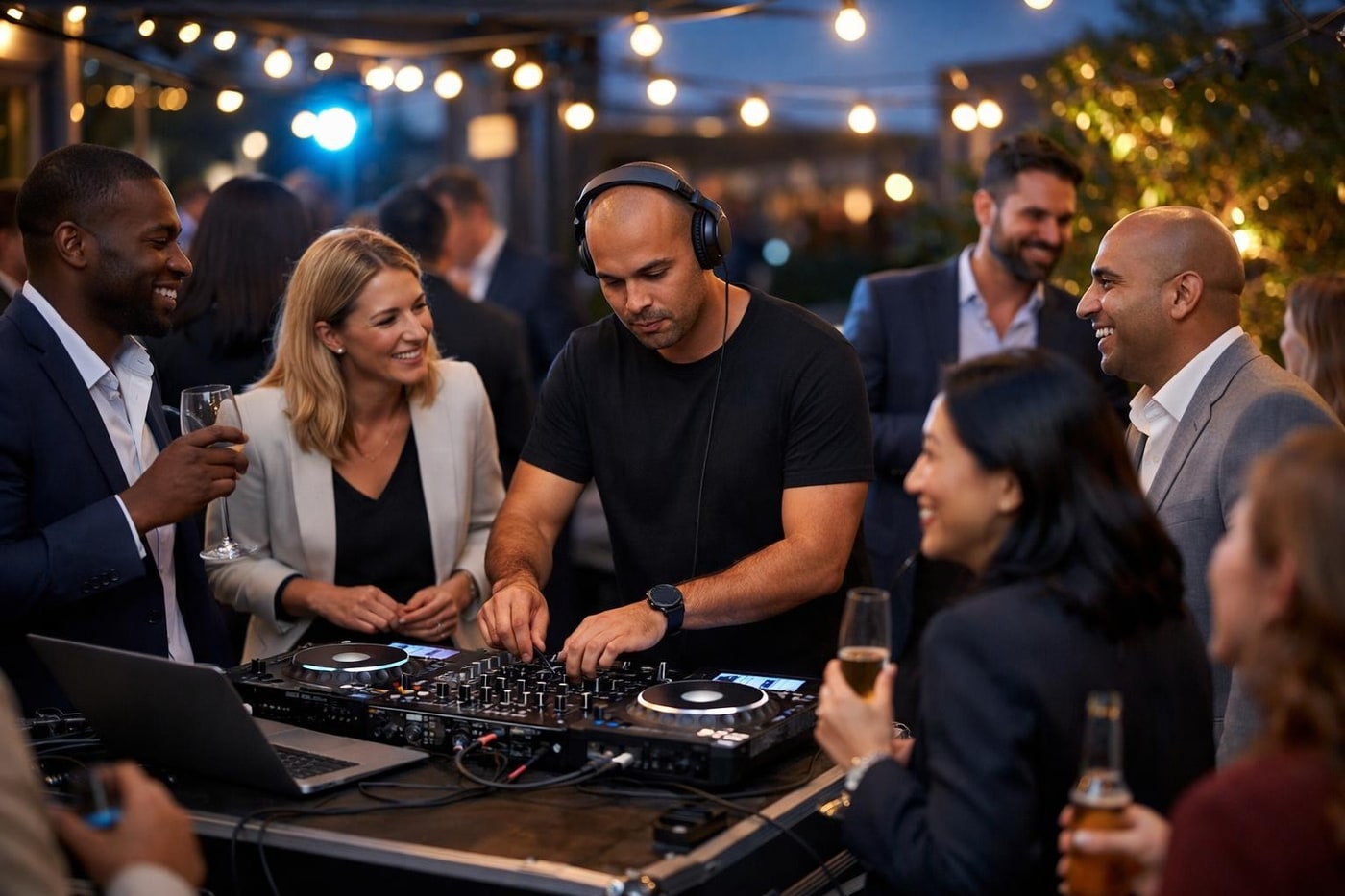
The main stage has an important role at many corporate events. It can host speeches, live bands, awards, performances and headline moments. But relying only on a central stage can limit the guest experience, especially at large events where people are spread across a venue.
Modern corporate entertainment is becoming more flexible, immersive and mobile. Guests no longer need to stand in front of a stage to feel part of the action. Entertainment can happen around them, beside them and even move through the crowd.
For event planners, this opens up far more creative possibilities.
Whether you are organising a brand activation, company anniversary, outdoor celebration, corporate summer party, racecourse event or large-scale hospitality experience, entertainment that moves beyond the main stage can help keep guests engaged from start to finish.
Roaming and Mobile Entertainment Ideas
Roaming DJs
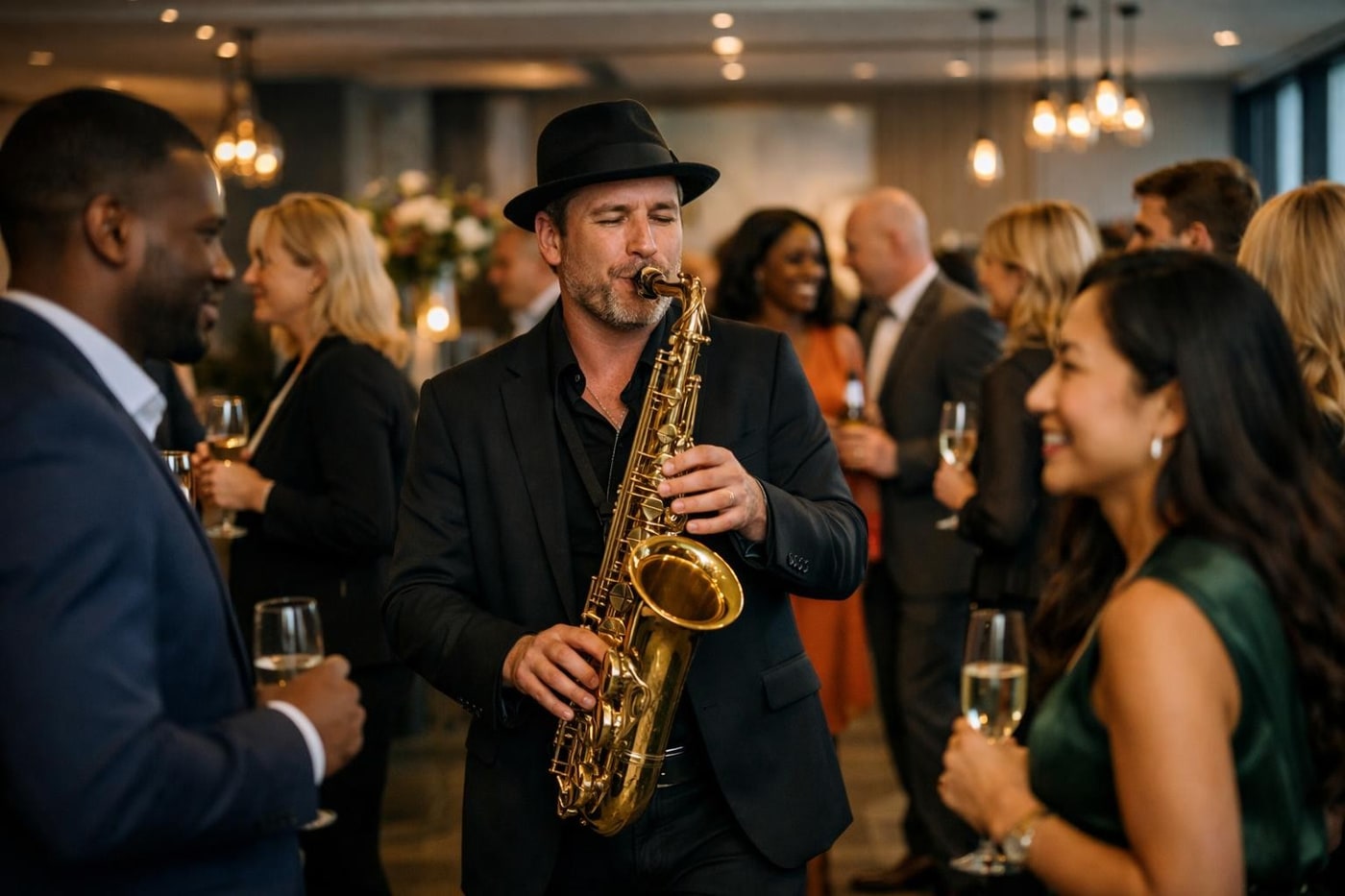
A roaming DJ is one of the strongest options for events that need music, movement and impact.
Instead of staying behind a fixed booth, the DJ moves through the venue with a mobile or wearable rig. This allows music to travel across the event site and reach guests wherever they are.
Roaming DJs work particularly well for large open spaces, outdoor venues, brand activations and high-footfall corporate events.
They can energise quiet areas, surprise guests, support crowd movement and create shareable moments. They are also highly visual, especially when the rig is designed to match the brand or theme.

Events By Knight created bespoke mobile DJ entertainment for a large-scale corporate celebration for Coral’s 50th anniversary, where a roaming DJ rig helped bring energy to guests across Sandown Park Racecourse. You can read more in our roaming DJ case study.
Mobile Musicians
Live musicians do not always need to stay in one place. Mobile saxophonists, drummers, brass bands, acoustic performers and percussionists can move through the crowd, creating spontaneous pockets of energy.
This can work particularly well during arrival drinks, outdoor receptions, festivals, sporting events and informal corporate parties.
A roaming saxophonist, for example, can perform alongside a DJ or move between guest groups during a reception. A brass band can lead guests from one space to another. Percussionists can build atmosphere before a reveal or finale.
Mobile music feels lively because it is close to the guests. It breaks down the barrier between performer and audience.
Immersive Performers
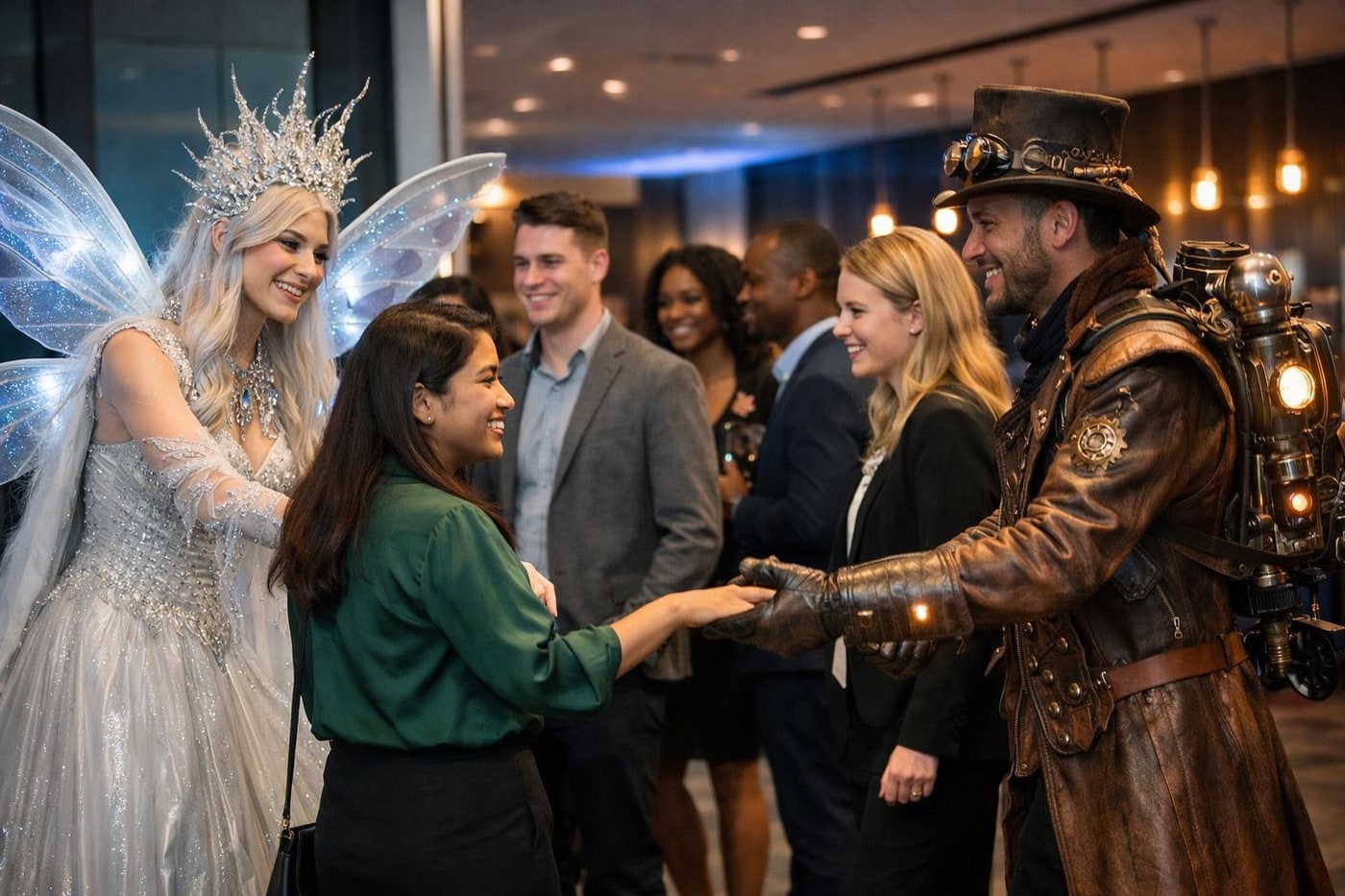
Immersive performers help bring an event theme or brand world to life.
They might greet guests, interact in character, guide people through the venue or appear unexpectedly throughout the event.
This could include themed hosts, actors, dancers, cabaret performers, futuristic characters, vintage personalities, circus acts, festival performers or brand ambassadors with a theatrical twist.
Immersive entertainment is particularly effective for experiential events because it makes the whole venue feel active. Guests are not simply watching a performance; they are stepping into an experience.
Flashmobs
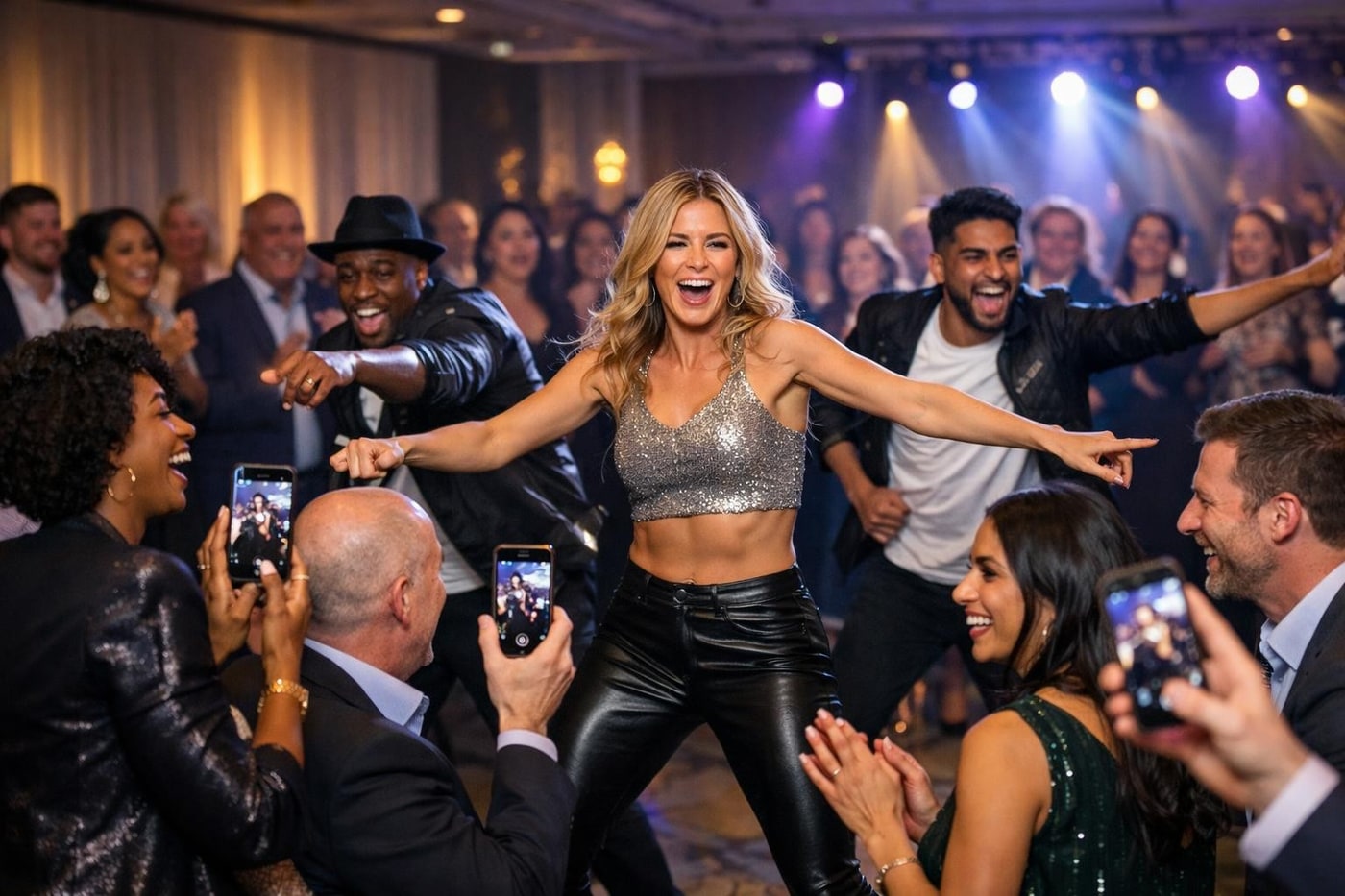
Flashmobs are ideal for creating surprise and energy.
A group of performers can appear suddenly within the crowd, perform a choreographed routine and then disappear or lead into another part of the event.
For corporate events, flashmobs work well for product launches, award ceremonies, company celebrations, Christmas parties and brand activations.
They are especially effective when guests do not see them coming. A well-timed flashmob can create a strong emotional lift and encourage people to film and share the moment.
The key is professional planning. The performance should feel spontaneous to guests, but behind the scenes it needs careful choreography, timing and production.
Roaming Magicians
Close-up magic remains a popular corporate entertainment choice because it is flexible, interactive and easy to integrate.
A roaming magician can move between groups, entertain guests during drinks receptions and create small moments of surprise without needing a stage.
This type of entertainment is particularly useful when guests are networking or waiting between scheduled activities.
It also works well at events where not every guest will engage with the main stage. The magician brings entertainment directly to them.
Living Statues and Visual Acts
Living statues, mirror performers, LED acts, stilt walkers and visual characters can create strong atmosphere across an event space.
These acts are useful because they are both entertainment and visual styling. They help guests understand the theme and give them natural photo opportunities.
For brand events, visual acts can be styled in colours, costumes or designs that reflect the campaign.
They work particularly well at entrances, walkways, outdoor spaces and transition points where guests are moving through the venue.
How to Build a Better Guest Journey
Pop-Up Performance Moments
Not every act needs a full performance slot. Some of the most effective corporate entertainment happens in short pop-up moments.
This might include a singer appearing on a balcony, dancers performing near the bar, a musician moving through the crowd or a surprise act emerging during dinner.
Pop-up moments keep guests alert and interested. They create a sense that anything could happen.
This approach works well when you want entertainment to feel woven into the event rather than separated from it.
Interactive Brand Entertainment
For brand activations, entertainment should support the message or personality of the brand.
Interactive entertainment might include performers who guide guests through a product experience, musicians who respond to audience choices, digital installations, live art, roaming hosts or gamified entertainment.
The aim is to make guests feel involved, not just entertained.
When entertainment is built around the brand experience, it becomes more memorable and more meaningful.
Entertainment That Supports Guest Movement
Large corporate events often require guests to move between different areas. Entertainment can help make this movement feel natural and enjoyable.
For example, a roaming band could lead guests from a drinks reception to dinner. A DJ rig could move between outdoor zones. Performers could guide guests towards a reveal. Hosts could turn transitions into part of the experience.
This is much better than relying only on signage or announcements.
Entertainment can make practical movement feel exciting.
Combining Main Stage and Roaming Entertainment
Moving beyond the main stage does not mean removing the stage altogether.
In many cases, the best approach is to combine both.
The main stage can provide headline moments, speeches, award presentations or a central performance. Roaming entertainment can keep energy alive before, after and between these moments.
This creates a richer guest experience. The event feels active even when the main stage is not in use.
Final Thoughts
Corporate event entertainment does not have to be limited to one stage. By using roaming DJs, mobile musicians, immersive performers, flashmobs, magicians and pop-up acts, you can create an event that feels alive across the whole venue.
This is especially valuable for large-scale events where guests are moving through different areas. Mobile entertainment helps maintain atmosphere, create surprise and bring the experience directly to the audience.
For brands looking to make a stronger impression, entertainment that moves beyond the main stage can turn a corporate event into something far more memorable.


