
Great experiences start before event day

When guests arrive at a product launch, they see the finished experience. They see the atmosphere, hear the music, feel the energy and notice guests interacting while content is captured across the room.
What they do not always see is the thinking behind it all. Because the strongest brand activations rarely happen by accident. Behind every memorable launch sits strategy, creativity and a carefully considered guest journey designed around one important question: how do we make people feel something?
As brands increasingly move towards immersive marketing and experience-led campaigns, creating memorable moments has become more important than simply presenting products. Products may introduce a brand. Experiences often create connection.
This was one of the key principles behind our work supporting the Swatch brand launch case study.
Why product launches have changed
Historically, many launches followed a relatively simple structure. Guests arrived, products were displayed, presentations took place, guests had a drink and guests left.
Whilst there is nothing inherently wrong with that structure, audiences increasingly expect more. Modern audiences want interaction. Modern audiences want energy. Modern audiences want participation. People increasingly remember environments where they felt immersed rather than environments where they simply observed.
The strongest launch experiences now often include:
- Audience interaction
- Entertainment
- Social moments
- Visual storytelling
- Immersive environments
- Opportunities for participation
- Natural content creation opportunities
The objective is no longer simply presenting products. The objective increasingly becomes creating experiences people genuinely remember.
Understanding the Swatch personality
Swatch has long had a recognisable personality: creative, energetic, youthful and expressive. Those qualities naturally influenced the wider experience.
Rather than creating a formal product showcase, the objective was to build an environment that reflected those wider brand characteristics. The experience needed to feel vibrant and engaging. Guests needed to feel part of something rather than feel like spectators.
Because audiences increasingly connect with experiences that feel authentic.
Bringing the Swatch experience to life
At Events by Knight, our objective was to create an environment where energy naturally encouraged interaction. The experience included:
- A custom branded DJ booth
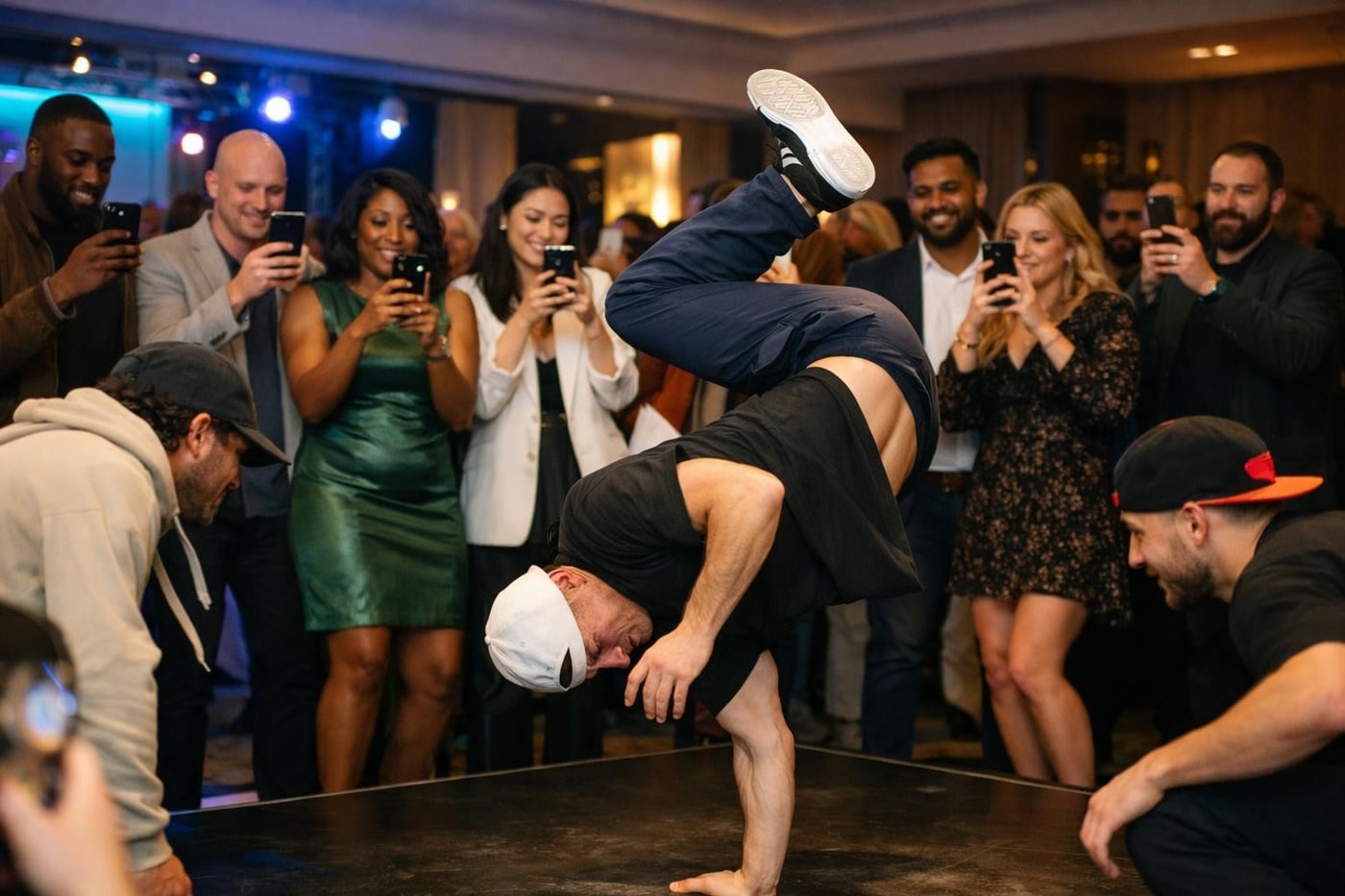
- High-energy breakdance performers
- Strong visual moments
- Social sharing opportunities
- Natural interaction points throughout the guest journey
The entertainment itself was never intended simply as background support. Instead, it became integrated within the wider event experience.
Guests naturally moved towards activity. People gathered around moments of energy. Conversations developed naturally. The environment felt active. Guests became immersed within the atmosphere itself.
Rather than attending a launch, people became participants inside the experience. That distinction often creates the difference between events people enjoy and events people remember.
Why guest journey matters
One of the biggest differences between average events and memorable experiences is guest journey. People remember sequences of moments rather than isolated activities.
Questions increasingly become:
- What captures attention first?
- How does energy build?
- Where do guests naturally gather?
- How do audiences interact?
- What moments encourage sharing?
- How does the experience conclude?
Strong journeys create rhythm throughout an event. They guide behaviour naturally, influence memory and, importantly, create emotional connection.
Experiences continue beyond the venue
One of the biggest advantages of experience-led campaigns is that they often continue long after guests leave. Experiences create:
- Photographs
- Video content
- Social sharing
- Conversations
- Brand recall
- Recommendations
Guests themselves often become part of the marketing process. This creates visibility that extends beyond the audience physically attending.
What brands can learn from Swatch
The broader lesson is not simply about a product launch. It is about creating environments that people want to engage with.
Brands increasingly need to think beyond: "How do we show our product?" and instead ask: "How do we make people feel something?"
That shift changes everything.
Kwame Knight insight
“Guests rarely leave events discussing technical details or schedules. They remember atmosphere, excitement and moments that created emotional connection. The strongest experiences always make people feel involved.”
Kwame Knight
Creative Director, Events by Knight
Final thoughts
Creating memorable experiences is rarely about adding more elements. It is about creating the right elements.
As audiences continue seeking authenticity, participation and interaction, brands increasingly need experiences rather than simply presentations.
The Swatch launch reinforced an important principle:
Products create attention. Experiences create memory.


