
Most Product Launches Fail to Make an Impact
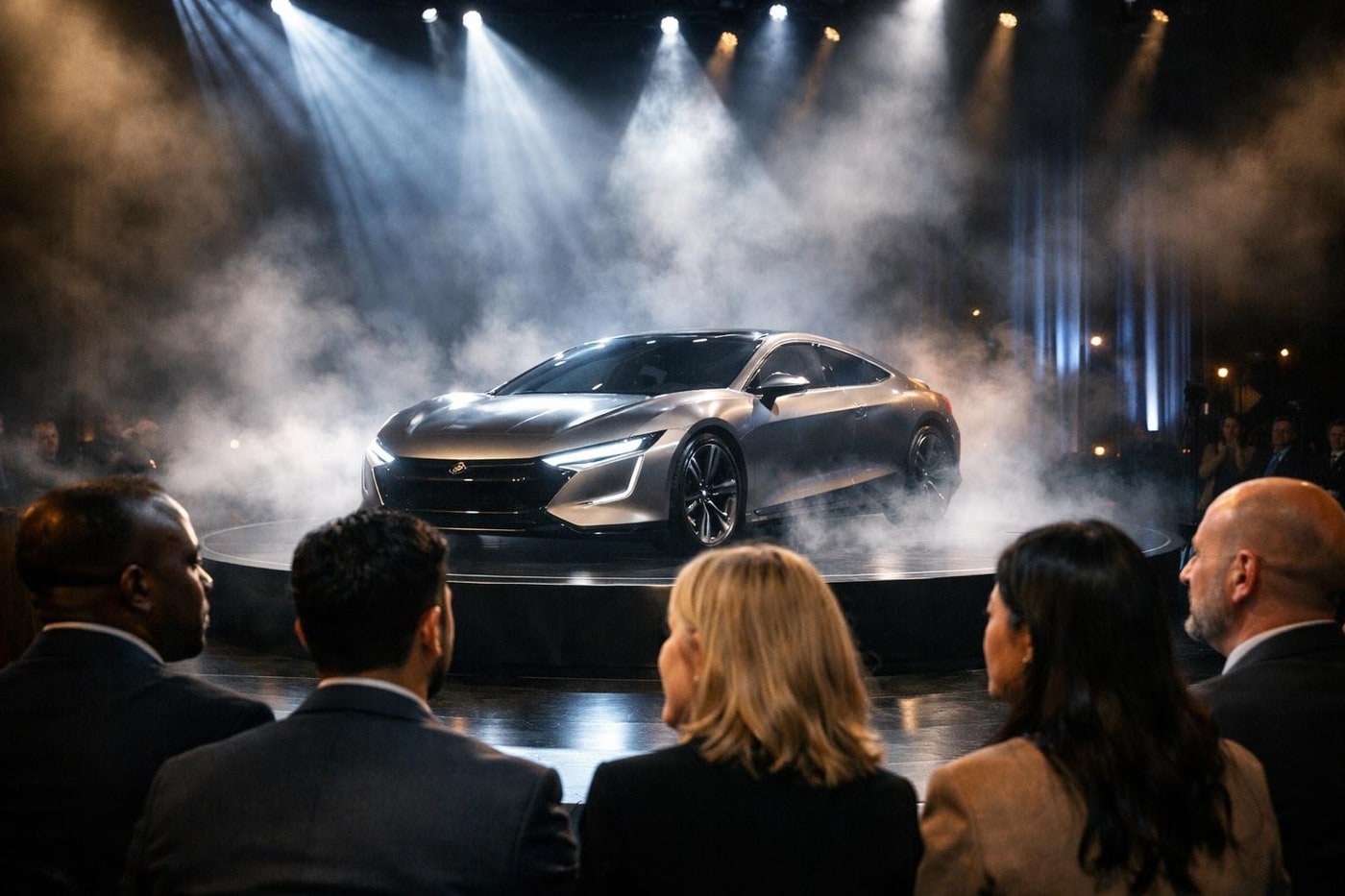
A product launch should be a defining moment. It should create anticipation, generate excitement and leave a lasting impression. Yet many launches fall flat.
Guests arrive, they observe and they leave. There is no energy, no connection and no momentum. The product is presented, but not experienced. And in a world where attention is limited, that is not enough.
The Shift From Presentation to Experience
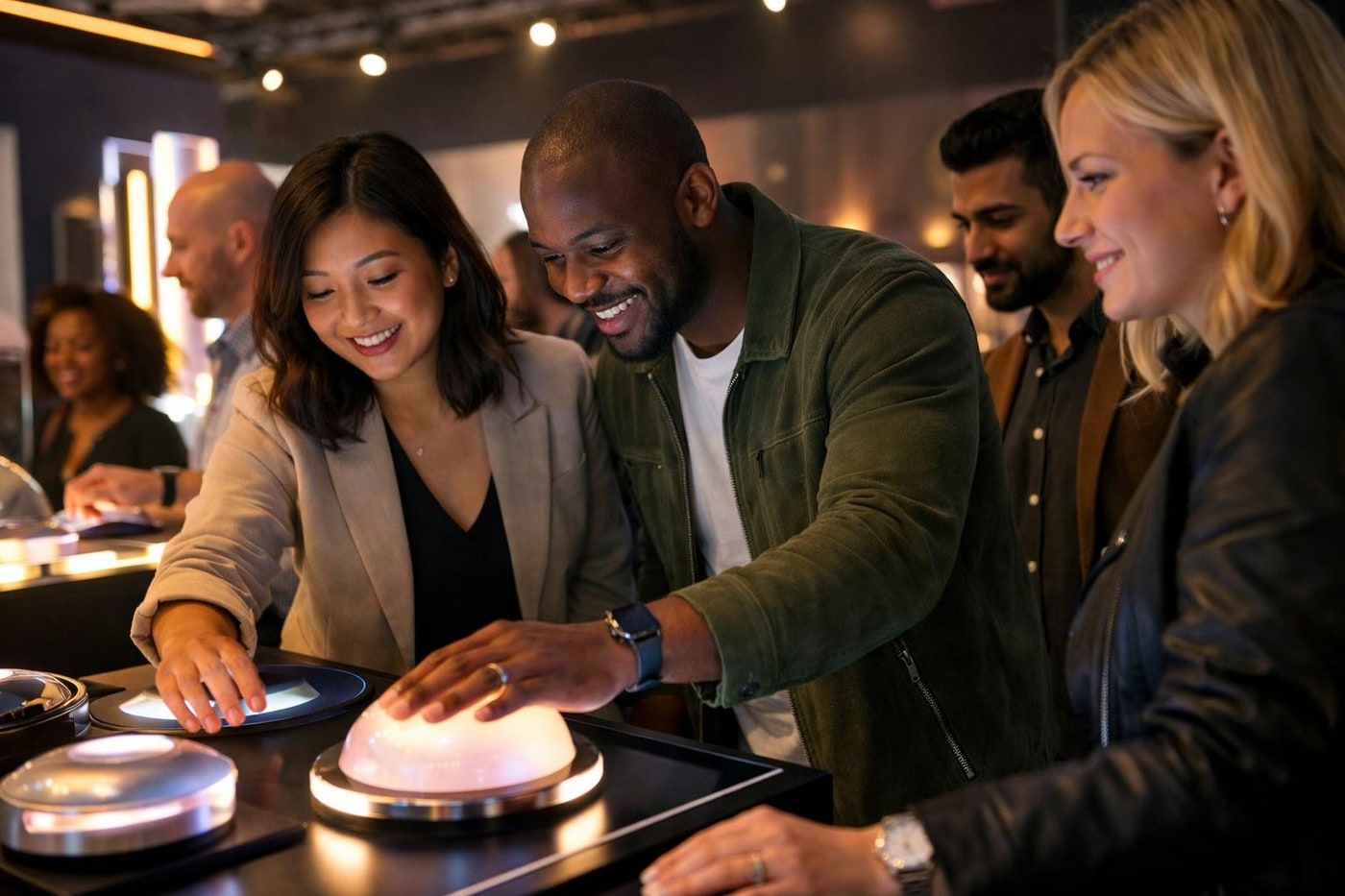
Traditional product launches are built around presentation: a stage, a speech and a reveal. Modern audiences expect more. They want to feel part of something. They want to engage, not just observe.
This is where Experiential Product Launch Events outperform traditional formats. They transform a launch from a static moment into a dynamic experience.
Why Energy Defines the Success of a Launch
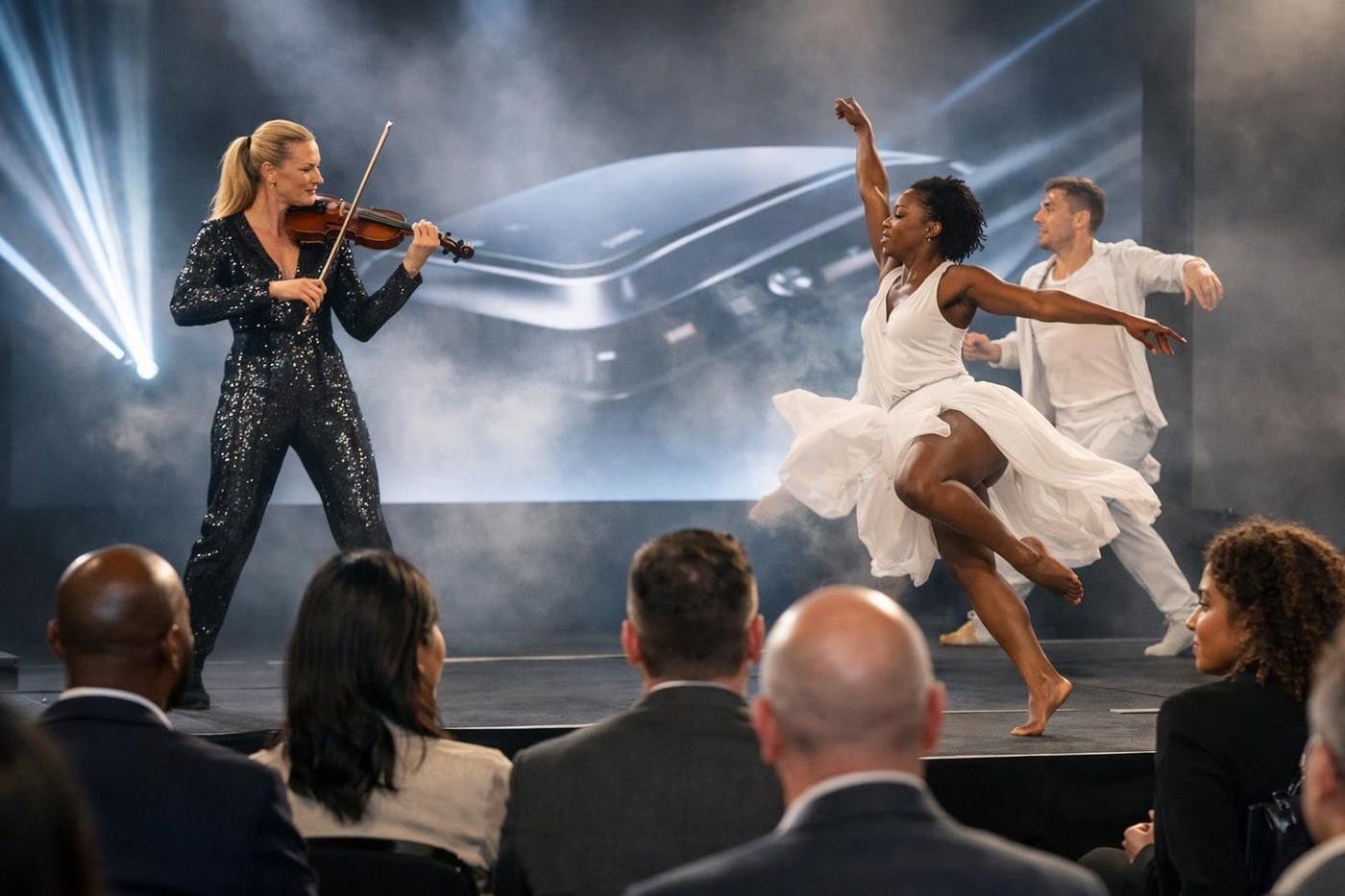
Energy is what drives behaviour. It influences how guests feel, how long they stay and how they engage. Without energy, even the most visually impressive launch will feel flat. With energy, even simple moments become powerful.
Energy is created through:
- Music
- Lighting
- Movement
- Audience interaction
It builds momentum throughout the event.
The Role of Theatre in Product Launches
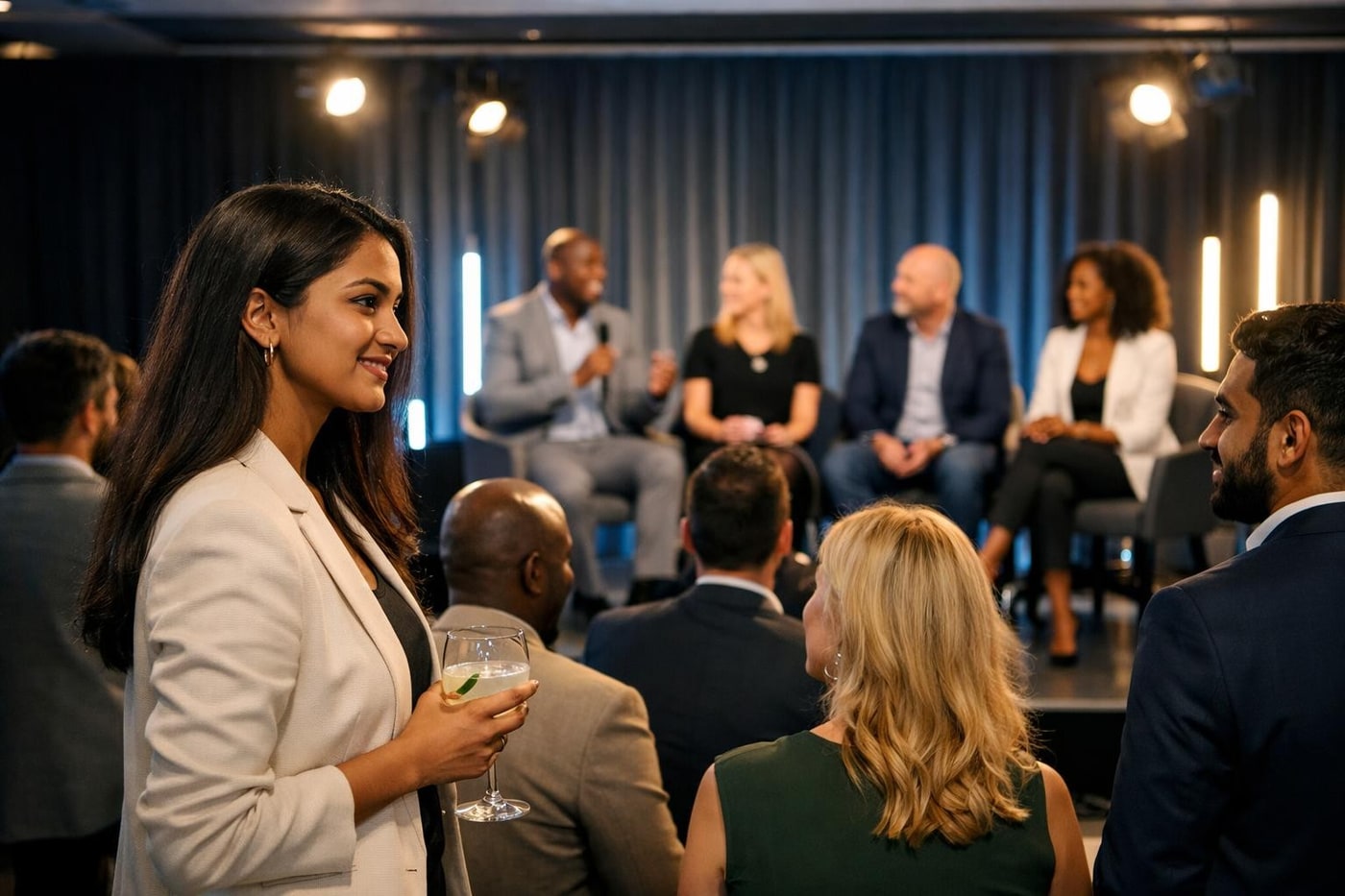
Theatre creates anticipation. It gives structure to the experience. It turns a product reveal into a moment.
This can include:
- Timed reveals
- Live performances
- Immersive storytelling
- Unexpected transitions
The goal is to create a sense of occasion and make the launch feel significant.
Designing the Guest Journey
A successful product launch is carefully structured. Guests should move through a clear journey:
- Arrival
- Engagement
- Build-up
- Reveal
- Celebration
Each stage should flow naturally into the next. This ensures that energy builds rather than drops.
Capturing Attention From the Start
The first impression sets the tone. Guests should immediately feel that they are part of something. This is achieved through strong visual design, lighting that creates atmosphere and music that sets the mood.
This initial impact determines how guests engage with the rest of the event.
Creating Moments That Matter
A strong launch is built around key moments. These are the points where attention peaks, where guests feel something and where the experience becomes memorable.
These moments should be:
- Clear
- Intentional
- Well timed
Without them, the event feels flat.
Engagement Beyond the Reveal
The reveal is only one part of the experience. Engagement must continue beyond that moment.
This can include:
- Interactive product experiences
- Live entertainment
- Social spaces
The goal is to maintain momentum throughout the event.
Designing for Shareability
Product launches must now be designed with visibility in mind. Guests should want to capture and share the experience.
This requires visually striking environments, clear focal points and moments of surprise. It extends the reach of the launch beyond the physical event.
Integrating the Product Into the Experience
The product should not feel separate from the event. It should be part of the journey. Guests should be able to experience it, interact with it and understand it.
This creates a stronger connection and increases the likelihood of purchase or advocacy.
The Importance of Execution
Execution is what brings everything together. Timing, production and coordination must be precise. Any disruption breaks the flow.
High-level production ensures:
- Seamless transitions
- Consistent energy
- Professional delivery
This is what separates good from exceptional.
Case Study Insight: Swatch Style Activation
Swatch-style activations demonstrate how energy and interaction can transform a product moment into an experience. The environment is designed to feel alive. Guests are drawn in, engaged and immersed. The product becomes part of that experience, not just something to observe.
For a related example of how performance-led environments build atmosphere and audience momentum, see our Swatch Case Study.
Why Brands Invest in Experiential Launches
Brands are moving towards experiential launches because they deliver stronger engagement, higher recall, increased social visibility and deeper brand connection. In a competitive market, this level of impact is essential.
Why Events by Knight
At Events by Knight, we design product launches that perform. Under the creative direction of Kwame Knight, we combine experience design, live entertainment, production expertise and audience understanding.
We do not just launch products. We create moments that connect with audiences and deliver results.


